

Choosing the ideal modular duplex floor plan depends on three critical factors: the dimensions of your lot, local zoning setback requirements, and how you intend to utilize the property. A design that fits comfortably within the buildable space, while ensuring adequate circulation, parking, and privacy between units, will almost always outperform visually appealing plans that overlook site limitations.
In my experience with numerous projects, the optimal duplex layout is rarely the largest available. Instead, it strikes a balance between efficient use of footprint, tenant privacy, and adaptability for future needs.
Understanding how to select the right modular duplex floor plan isn't as straightforward as it seems once you consider real-world site conditions. I've seen many residential developments where the original concepts looked promising on paper but failed when lot size, access points, and setback rules were factored in.
Many property owners start by looking at attractive duplex designs, but true success comes from how well the modular duplex floor plan aligns with your lot's buildable envelope.
Before finalizing a plan, I recommend drafting the lot constraints with a simple visual sketch using tools like Homestyler. This approach helps avoid the common error of choosing a duplex plan that physically won’t fit the lot once you account for setbacks and parking.
This guide walks you through the decision-making framework I use. We'll explore how factors such as lot shape, zoning regulations, symmetry, and long-term rental strategy should influence your modular duplex floor plan selection.
Key Considerations for Selecting Modular Duplex Layouts
Insight: The best modular duplex floor plans balance land utilization, ease of construction, and tenant privacy effectively.
Experience has shown me that most layout errors result from prioritizing aesthetics over site efficiency. A duplex that looks flawless online can underperform once situated on a real lot.
Four primary factors typically drive the best layout decisions:
Guidance from the Urban Land Institute emphasizes that efficient small multifamily housing minimizes wasted corridor space and maintains distinct entry points, enhancing long-term tenant satisfaction.
From practical experience, privacy between units often matters more than sheer square footage. Slightly smaller units with superior sound insulation and strategic entry placement tend to rent faster in most markets.
Matching Duplex Floor Plans to Specific Lot Sizes and Shapes
Insight: The shape of your lot can dictate the duplex design more than the overall land size.
For instance, a 6,000-square-foot lot may support vastly different duplex configurations based on its proportions. Wide lots can accommodate side-by-side units, while narrow lots often necessitate stacked or staggered arrangements.
Typical layout options include:
Visual modeling tools like Homestyler allow developers to test circulation and spacing through 3D previews, assisting in evaluating building placement and access before finalizing the modular duplex floor plan.
Impact of Local Zoning and Setback Regulations
Insight: Zoning setbacks can significantly reduce your buildable footprint.
Many property owners underestimate how zoning laws influence the final duplex layout. Front and side setbacks, parking minimums, and lot coverage restrictions can substantially reduce usable space.
Common zoning constraints often involve:
For example, a 50-by-120-foot lot may seem ample for a wide duplex, but setbacks might reduce usable width to approximately 30 to 36 feet.
This reduction often forces a transition from side-by-side units to a stacked modular duplex floor design.
Choosing Between Symmetrical and Asymmetrical Duplex Layouts
Insight: While symmetrical duplex plans are easier and cheaper to build, asymmetrical designs frequently better utilize irregular lots.
Most prefab modular duplexes employ mirrored floor plans to streamline manufacturing and minimize costs. However, real-world parcels rarely conform to symmetrical shapes.
Comparison highlights include:
In several urban infill projects, adopting a slightly asymmetrical modular duplex floor plan increased living space by nearly 12% simply by adjusting stairs and entrance locations.
How to Plan for Future Expansion and Rental Flexibility
Insight: A thoughtful modular duplex plan considers not only initial tenants but also evolving living arrangements.
Many investors focus solely on immediate rental returns, but the most successful developments plan for adaptability over time.
Design features that enhance long-term flexibility include:
Early design stages benefit from AI-assisted layout tools or Homestyler’s platform, which allow quick testing of various configurations before committing to a modular design.
Checklist for Selecting Effective Modular Duplex Floor Plans
Insight: A systematic evaluation process helps avoid common and costly planning errors.
I advise developers to follow a simple decision-making checklist when reviewing modular duplex plans.
This practice helps prevent mistakes such as oversized footprints and poorly located entrances that harm tenant experience and project feasibility.
Final Thoughts
Frequently Asked Questions (FAQ)
How do I select the best modular duplex floor plan?
Begin by measuring your lot’s buildable width after accounting for setbacks. Then pick a modular duplex floor plan that fits comfortably while allowing access for parking and private entrances.
What’s the recommended duplex layout for narrow lots?
Stacked or staggered duplex designs are optimal for narrow lots as they reduce building width while preserving separate entrances.
Are modular duplex homes suitable for small urban lots?
Absolutely. Many modular duplex designs automatically cater to narrow city parcels by employing vertical layouts and compact footprints.
Is symmetrical duplex design always preferable?
Not always. Symmetrical layouts simplify building but may waste space on irregular or narrow properties.
What land size is necessary for a modular duplex?
It varies with zoning, setbacks, and parking requirements, but many duplex projects comfortably fit on lots between 4,000 and 7,500 square feet.
What common pitfalls should be avoided when choosing a duplex layout?
Avoid neglecting setbacks, underestimating driveway space, and selecting configurations that compromise tenant privacy.
Are modular duplex plans customizable?
Yes, most manufacturers offer options for moderate customization including entrance relocation, bedroom configuration, and exterior finishes.
Do modular duplex homes provide strong rental income opportunities?
Yes. Modular duplexes are cost-effective to build and enable property owners to generate income from two separate rental units on a single lot.
References
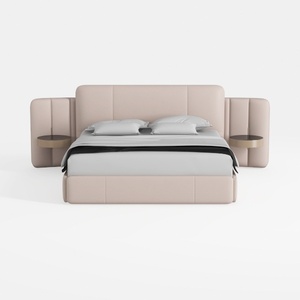
Minimalist Blush Fabric Upholstered King Bed with Attached Side Tables 3D Model


Minimalist Fabric Curved Sofa With Throw Pillow 3D Model

Minimalist Cream Fabric Modular Sectional Sofa 3D Model
Homestyler offers an easy-to-use online design tool with stunning 3D renderings, inspiring interior projects, and helpful DIY video tutorials. It's the ideal platform to visualize and create your perfect home design effortlessly.
Projete agora para LIVRE
































