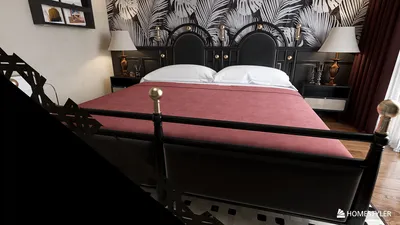


In today’s digital age, immersive experiences like those offered by virtual reality platforms such as Stranger Than Heaven invite us to rethink how our living spaces can support new forms of entertainment and interaction. As technology integrates seamlessly into everyday life, designing home environments that accommodate cutting-edge gadgets and promote comfortable, engaging experiences becomes essential. Thoughtful spatial planning and adaptable furniture can transform any room into a personal sanctuary for both relaxation and innovative digital exploration.
Traditionally, creating a floor plan meant either hiring a professional or investing countless hours learning complex software that wasn't designed for occasional users. This posed challenges for homeowners planning renovations, renters imagining new apartments, or anyone needing a practical layout without a hefty budget or formal design background.
The advent of AI has revolutionized this process. Today, AI-powered floor plan creators—like those integrated in Homestyler—can generate room layouts from simple text descriptions, basic sketches, or precise measurements. This seamless interaction allows users to tweak designs in real time, dramatically reducing the time between concept and actionable floor plan from days to mere minutes.
This article explores the fundamentals of AI floor plan generation, detailing its capabilities and limitations, how it stacks up against traditional manual tools, and how to achieve optimal results tailored to your specific project.
Understanding AI Floor Plan Generation
"AI floor plan" encompasses various functionalities, and recognizing these distinctions is crucial for managing expectations effectively.
Generating layouts from dimensions involves entering room specifications—like wall lengths, door and window placements—after which the AI crafts a furnished design optimized for the space. Unlike starting from scratch, this method provides a ready-made arrangement you can adjust as needed.
Text-based layout creation asks you to describe what you want—such as "a cozy one-bedroom with an open kitchen and ample natural light"—and the AI generates a plan aligning with those criteria. This experimental approach delivers variable results, ideal for early design ideation before locking down dimensions.
Sketch-to-plan conversion allows users to hand-draw room outlines either on paper or digitally, with AI refining the drawing into precise digital plans by straightening lines, inferring dimensions, and cleaning the design. This feature is particularly useful for onsite documentation.
Intelligent editing support suggests improvements during manual adjustments, including catching clearance issues, optimizing furniture placement for better flow, or proposing layouts based on room proportions and user priorities.
Most advanced tools today—like Homestyler—combine multiple of these capabilities, offering initial AI-generated layouts with intuitive manual editing options to ensure the final design is exactly right.
Benefits of AI vs. Manual Drawing
Knowing when to rely on AI and when manual adjustments are essential improves the overall design experience.
AI excels at providing a concrete starting point when faced with a blank space, quickly generating multiple layout alternatives that save hours of effort, and automatically identifying potential spatial conflicts.
However, manual control remains important for tailoring designs to specific furniture dimensions, accommodating unusual architectural features, and injecting personal preferences regarding ambiance, seating, or views.
The optimal approach blends AI's rapid concept generation with hands-on refinement, delivering both efficiency and customization.
Top AI Floor Plan Creator in 2026
Homestyler stands out as a premier free tool offering robust AI-driven layout generation alongside extensive manual customization. Its intelligent system can create initial room designs from measurements, optimize furniture placement, and provide spatial suggestions in real time. Meanwhile, users retain full control over architectural elements, materials, and furnishings to perfectly tailor their spaces.
Uniquely, Homestyler couples AI design with high-quality, photorealistic 3D rendering, enabling users to visualize their projects comprehensively. With access to a vast library of 3D furniture models, edits and renderings accurately represent real-world selections, bridging the gap between planning and reality.
Its integrated workflow—from automatic layout creation and manual tweaking to immersive 3D visualization—is accessible at no cost, democratizing professional-grade home design.
Comparing AI Tools to Traditional Methods
AI-powered floor plan creators like Homestyler enhance traditional design by automating repetitive spatial logic, allowing users to focus on creative and functional choices. This synergy preserves precision while significantly expediting the process.
Maximizing AI Floor Plan Outcomes
Improving input accuracy vastly improves AI-generated results. This includes providing exact room measurements and clearly defining constraints—such as desired furniture counts or natural lighting preferences—to guide AI effectively.
Treat AI-generated layouts as drafts subject to critical evaluation, ensuring circulation flows, scale, and functional use meet your needs. Generating multiple proposals before selecting one for fine-tuning saves time and encourages exploration.
Regularly utilizing 3D views aids in spotting issues invisible in 2D plans, from disproportionate furniture sizes to awkward sightlines.
Current AI Limitations
While AI tools are powerful, they're not yet replacements for expert architectural insight. Structural modifications, compliance with building codes, and nuanced client preferences still require professional intervention. AI-generated plans serve best as starting points for detailed discussions rather than finalized construction documents.
Frequently Asked Questions
Can AI create floor plans from room photos? Certain mobile apps with depth sensors support image-based scanning; however, most browser AI floor plan tools prioritize dimensional inputs and sketches over photos.
How precise is furniture placement by AI? AI respects standard spatial clearances but doesn’t account for the exact size of personal furniture. Adjustments are often necessary to align with real items.
Is AI generation equally effective for all room types? Standard rectangular rooms see the best outcomes; irregular layouts require more manual edits for accuracy.
Can AI plans serve as contractor quotes? For non-structural elements, refined AI-generated plans are generally sufficient. Structural changes demand professional architectural documents regardless of AI involvement.
From initial idea to detailed floor plan is now a matter of minutes rather than days. AI technology like that integrated in Homestyler eliminates the daunting blank slate and manages spatial calculations automatically, freeing you to concentrate on what truly matters: the room’s purpose, atmosphere, and unique details.
Experience a seamless, browser-based workflow where you generate designs, personalize layouts, and visualize stunning 3D representations—all accessible free of charge. This convergence of AI and intuitive editing empowers anyone to create their ideal home environment effortlessly.
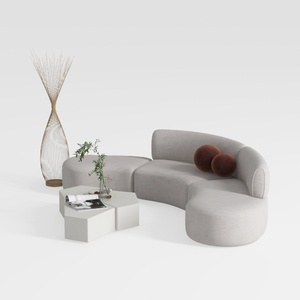
Minimalist Fabric Curved Sectional Sofa 3D Model
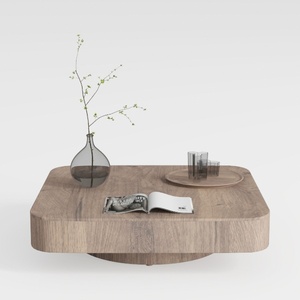
Minimalist Solid Oak Square Floating Coffee Table 3D Model
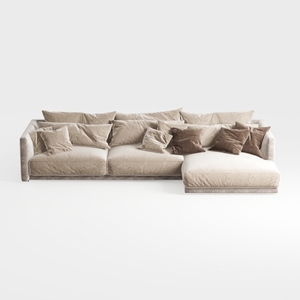
Minimalist Velvet L Shaped Sectional Sofa with Throw Pillows 3D Model
Homestyler is an easy-to-use online home design platform offering powerful 3D rendering, a vast collection of interior design projects, and helpful DIY video tutorials. It’s perfect for creating stunning, personalized spaces with professional-quality visuals.
Projete agora para LIVRE
































