

Direct Answer
Air conditioning requirements for commercial spaces around 500 square feet generally range between 12,000 and 18,000 BTU, influenced by factors such as occupancy levels, heat output from equipment, ceiling height, and operational hours. Retail stores and office boutiques typically function well with a 12k BTU mini split system, whereas equipment-intensive areas like clinics or server rooms may demand higher capacity or specialized cooling solutions.
The primary distinction across different industries lies not in the space size but in heat generation, airflow demands, and acceptable noise levels.
Quick Takeaways
Introduction
Drawing from extensive experience designing a variety of small commercial interiors, it's clear that selecting air conditioning for 500 sq ft spaces is more complex than merely choosing a BTU rating from a chart. Identical floor areas can behave very differently depending on the business type.
For instance, a boutique with expansive glass windows heats up quickly in the afternoon sun, whereas an office may run computers throughout the day. Clinics often require strict control over comfort and noise, and server rooms generate intense heat akin to ovens.
When assisting business owners in designing layouts or assessing cooling needs, understanding the interaction between occupants and equipment is crucial. Tools like Homestyler offer visual layout planning workflows for small commercial spaces, enabling precise anticipation of airflow patterns, workstation density, and heat zones before HVAC installation.
This article delves into how air conditioning needs vary across industries for spaces around 500 sq ft and highlights where many companies tend to either overspend or underspec their cooling systems.
Cooling Requirements for Small Offices Around 500 Sq Ft
Key Insight: Most small offices around 500 sq ft achieve optimal comfort with a 12,000 BTU mini split system, given their moderate but consistent heat loads.
These offices generate steady internal heat from computers, monitors, printers, and occupants. Although square footage suggests 10,000 to 12,000 BTU, real-world factors frequently push requirements higher.
Common heat sources in offices include:
In my experience designing startup offices in Los Angeles, locations with multiple monitors and equipment performed better with 12k–15k BTU units rather than minimal capacity systems.
U.S. Department of Energy guidelines also recognize that internal heat gains can notably elevate cooling demands in small commercial environments.
Air Conditioning for Retail Shops and Boutiques
Key Insight: Retail establishments prioritize robust airflow over merely increasing BTU capacity.
Boutiques approximately 500 sq ft face a particular challenge: frequent door openings that allow warm outdoor air to enter, forcing AC systems to work harder to restore comfortable indoor temperatures.
Typical cooling issues in boutiques include:
For boutiques, top-performing solutions often feature:
Cooling Solutions for Server or Equipment Rooms
Key Insight: Server or equipment rooms of 500 sq ft typically require dedicated cooling systems rather than standard comfort-focused AC units.
A common error is installing regular comfort air conditioners in spaces heavy with equipment.
Servers, switches, and electrical devices produce continual heat that surpasses standard occupancy heat assumptions.
Common heat contributors in these rooms are:
According to ASHRAE standards, server rooms demand tighter temperature control and reliable, uninterrupted cooling.
Recommended solutions often include:
AC Considerations for Clinics and Small Studios
Key Insight: In clinics and small studios, managing noise levels and effective airflow distribution are equally vital as cooling capacity.
Healthcare facilities, therapy offices, photography studios, and recording environments emphasize comfort and acoustic control.
Important factors to consider include:
In wellness studio projects I contributed to, ceiling-mounted cassette units were favored over wall-mounted systems due to their even air distribution without creating drafts.
Noise and Comfort Requirements in Professional Spaces
Key Insight: The noise produced by AC units can impact customer experience significantly in client-facing businesses.
Tolerance for noise differs widely across industries.
Acceptable noise levels typically fall within:
Modern inverter-driven mini split systems generally operate between 19 and 35 decibels, substantially quieter than portable air conditioning units.
Answer Box
Choosing the ideal air conditioning for a 500 sq ft commercial environment depends more on heat load and user patterns than on mere floor area. Offices and retail spaces generally require 12k to 18k BTU systems, while equipment-heavy rooms benefit from specialized continuous cooling.
Choosing Commercial Grade vs Residential Units
Key Insight: Light commercial settings often do well with residential-grade mini splits that offer enhanced durability, avoiding the complexity and cost of full commercial HVAC systems.
Many small enterprises wrongly assume they need large commercial AC units, which can lead to unnecessary expenses.
Comparison includes:
Early consideration of airflow and space layout can prevent oversizing air conditioning units. Designers frequently use tools like Homestyler for 3D floor planning that simulates airflow and furniture density to optimize system sizing.
Maintenance Expectations in Business Environments
Key Insight: Commercial spaces exert greater stress on AC units, demanding more frequent maintenance.
Typical servicing intervals for small commercial AC systems are:
Businesses operating AC systems 10–12 hours daily experience faster equipment wear compared to residential use.
When assessing layouts or cooling strategies for small business interiors, leveraging AI-assisted interior design tools like Homestyler helps identify airflow challenges prior to installation.
Final Summary
FAQ
What size AC unit is recommended for a 500 sq ft office?
A 12,000 BTU mini split system suits most offices, though ones with extensive equipment may require 15,000 BTU.
Is a mini split an effective solution for a 500 sq ft retail shop?
Absolutely. Mini split systems offer excellent airflow and energy efficiency, making them ideal for retail shops of this size.
Can portable air conditioners effectively cool a 500 sq ft commercial space?
Portable AC units often struggle to maintain consistent cooling in business settings, especially with frequent door traffic.
Do server rooms require specialized air conditioning?
Yes. Server rooms commonly demand dedicated cooling systems designed for continuous high heat loads.
What type of air conditioning is best for a 500 sq ft office?
Mini split systems typically represent the most efficient and quiet choice for such office spaces.
How noisy are mini split air conditioners?
Most contemporary mini splits operate quietly between 19 and 35 decibels, which is much less noise than many portable units.
How frequently should commercial AC systems undergo maintenance?
Small commercial AC units should be professionally maintained at least annually.
Does the presence of equipment increase air conditioning needs?
Yes. Devices like computers, servers, and lighting significantly elevate cooling demand in small commercial interiors.
References

Mid Century Modern Solid Wood Home Office Desk 3D Model
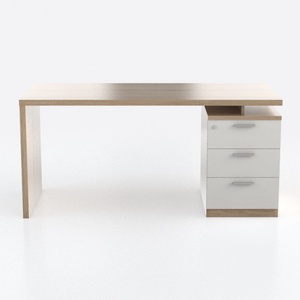

Limari Home Caston Collection Modern Home Office V
Homestyler offers an easy-to-use online home design tool with stunning 3D renderings, a vast collection of interior design projects, and helpful DIY video tutorials—perfect for turning your ideas into reality quickly and creatively.
Projete agora para LIVRE
































