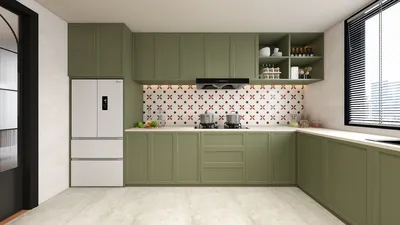


In my experience, I've evaluated the costs and installed both aluminum and wood kitchen cabinets in various projects, including my home and several client kitchens with tight deadlines. The key takeaway is that while aluminum generally has a higher initial price in most markets, its long-term maintenance and durability often change the overall cost of ownership over the years—particularly in kitchens with high humidity or heavy usage.
Two significant data points helped me set realistic expectations prior to selecting vendors. The first is the Steelcase study on material durability and lifecycle, which demonstrates that robust, moisture-resistant materials lead to fewer replacement cycles in busy environments. The second point comes from WELL v2's guidance on material moisture management, emphasizing how corrosion resistance and ease of cleaning contribute to healthier indoor spaces. These WELL v2 features often affect my cabinetry specifications in kitchens with a lot of cooking and cleaning activity.
My Cost Benchmarks from Recent Projects
Based on my consistent observations in the field (this excludes custom luxury designs), these are typical price ranges without appliances or stone countertops, focusing on boxes, doors, basic hardware, and standard finishes. I use these figures as a foundational reference during initial budgeting workshops:
From a maintenance perspective, Gensler’s research on workplace performance over time highlights lifecycle planning as a crucial factor in overall cost; I often refer to their research library when evaluating replacement cycles in high-traffic areas. Applying that thinking to kitchens: aluminum’s corrosion resistance and structural stability usually prolong replacement intervals, whereas wood requires careful humidity management and gentle handling.
Upfront Cost Drivers You’ll Actually Feel
There are six practical factors that impact prices, which I explain thoroughly to clients:
Where Aluminum Quietly Pays You Back
When I project five to ten years of ownership, I consistently find three cost categories that favor aluminum:
In a coastal home project I completed two years ago, the initial cabinet cost for aluminum was approximately 22% higher compared to a similar plywood option. However, the expected savings in touch-ups and replacements over seven years were projected to negate 60–80% of that premium, mainly due to its moisture resistance and less frequent need for repainting.
Where Wood Still Wins—And Why I Still Specify It
There are justifications for why I continue to incorporate wood in many kitchen designs:
Total Cost of Ownership: My Rough-Order Math
I evaluate three expense segments: procurement, installation, and five-year maintenance costs. Typically, this is how expenses align across mid-market kitchens with dimensions of 9–12 linear meters (30–40 linear feet), assuming hardware parity:
In kitchens characterized by high humidity, frequent cooking, and rigorous cleaning routines, aluminum generally breaks even around the 4 to 6-year mark. Conversely, in more delicately used, well-ventilated homes with milder climates, wood tends to be cost-effective over that same timeframe.
Ergonomics, Lighting, and Daily Usability
Cost is only relevant if the kitchen functions beautifully. My priorities include:
Layout Planning Tips That Impact Budget
Layout decisions can significantly affect costs by thousands. Before finalizing materials, I create prototypes:
When assessing spatial options and clearances, using a rapid room layout tool allows me to visualize door swings, appliance handles, and flow paths before I finalize a detailed drawing.
Sustainability and Health Considerations
Both materials can be responsibly chosen:
In kitchens where gas cooking or intensive frying occurs, prioritizing ventilation is paramount; durable cabinets can’t compensate for inadequate indoor air quality. WELL v2’s recommendations on filtration, humidity control, and source management serve as an essential checklist for aligning cabinetry with a healthier kitchen environment: explore the WELL v2 framework.
What I Recommend Based on Your Context
For those living in humid climates, cooking daily, or building multi-user kitchens, the initial investment in aluminum is typically warranted. Conversely, if you prefer warmer aesthetics, enjoy cooking but maintain a well-ventilated, dry space, mid-grade plywood with high-quality finishes remains a smart financial choice—just be prepared for minor maintenance around wet areas. Whichever you choose, ensure hardware quality remains high; low-quality hinges and slides can significantly increase long-term costs regardless of the chosen material.
FAQ
In my projects, aluminum generally costs 15-30% more upfront compared to mid-grade wood cabinetry. This price difference decreases when wood requires premium paint systems or complex designs.
High humidity often speeds up wood swelling and finish deterioration near sinks and dishwashers, leading to increased repair or replacement needs. In contrast, aluminum mitigates these challenges, thereby lowering five-year maintenance expenses.
Not necessarily. Powder-coated aluminum in matte finishes, paired with integrated handles, can present a minimalist and refined look. Combine this with warm countertops, wooden open shelves, or textured tiles to create harmony.
Both materials can perform well if the overall design is cohesive. Buyers often prioritize the condition and layout first. Aluminum can make older homes in humid areas appear new for longer, while wood attracts those seeking a traditional aesthetic.
Cost can escalate if the hardware is of budget quality. It’s advisable to use soft-close hinges, consider felt bumpers, and integrate soundproofing elements in the room for improved acoustics.
To optimize space, standardize modules, reduce custom corner solutions, and keep wet tasks grouped together. Early testing of clearances and appliance movements is crucial using either an interior layout planner or a quick layout simulation tool.
Quality powder coating on aluminum typically withstands chips and cleaning wear better than many types of paint. High-end catalyzed paints may narrow this gap but might require more careful upkeep.
Absolutely, if specified correctly with appropriate coatings and sealed edges. Their ability to be cleaned facilitates hygiene. It’s important to follow the manufacturer's cleaning guidelines to maintain finishes.
Yes, provided you specify marine-grade plywood for wet zones, seal all edges, apply high-quality finishes, and ensure adequate ventilation. Protective trays can also be included under sinks to catch minor leaks.
Under-cabinet task lighting at 300-500 lux and within the 2700-3500K spectrum enhances both aluminum and wood. Good lighting minimizes glare and accentuates texture, making mid-range materials feel more upscale.
In kitchens with heavy use and high humidity, I typically observe a balance around the 4-6 year mark due to reduced repainting and fewer issues related to moisture.
Implementing full-extension soft-close slides, high-cycle concealed hinges, and lift-up mechanisms for wall cabinets can enhance both usability and longevity, regardless of the cabinet material being used.
Discover the ease of home design with Homestyler! This user-friendly platform offers an intuitive online design tool, stunning 3D rendering, a plethora of design projects, and helpful DIY video tutorials. Transform your space effortlessly and unleash your creativity today!
Projete agora para LIVRE
































