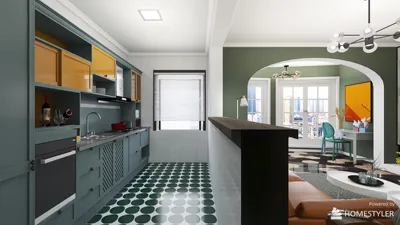


Antiquing furniture is a fantastic method to infuse your home decor with character and charm. By employing this technique, you can transform mundane pieces into eye-catching focal points that narrate a fascinating history. Whether you're revamping a thrift store treasure or an heirloom piece, the antiquing journey is both enjoyable and fulfilling. Here’s a guide on how to achieve that exquisite vintage style on your furniture in a few simple steps. First, gather your supplies, which should include a piece of furniture to antique, sandpaper, paint (chalk paint is ideal for a matte finish), a brush, a cloth, and a finishing wax or sealant. It's crucial to select suitable paint colors; muted shades like creams, greys, or soft blues are especially effective for antiquing. Start by prepping your furniture; if the surface is glossy, lightly sand it to enhance paint adhesion. Make sure to clean the piece thoroughly to eliminate dust and dirt. After it dries, apply a coat of chalk paint with your brush, ensuring even coverage. Let the first coat dry completely before deciding if a second coat is necessary. Next, to create the antiqued effect, use sandpaper to gently distress areas that would typically show wear, such as corners and edges. This will reveal the original wood color or the undercoat underneath, contributing to a more authentic vintage appearance. After distressing, consider adding a glaze or dark wax to enrich the antique aesthetic. Apply it sparingly with a clean rag, making sure it gets into the crevices and details of the furniture. Wipe away any excess with a clean cloth and allow to dry according to the manufacturer's directions. Finally, protect your beautifully antiqued furniture by sealing it with a clear finishing wax or sealant. This adds a protective layer against scratches and stains while providing a lovely sheen. Apply the wax with a cloth, buffing it until smooth once dry. And there you go! Your furniture now possesses a stunning antiqued finish that brings elegance to your space. Remember, the essence of antiquing lies in embracing imperfections—don’t fret if your piece isn’t flawless; those little quirks contribute to its character and charm. Antiquing furniture can be a delightful DIY project that not only beautifies your home but also revitalizes old items. So gather your materials and embark on your next creative adventure with the Homestyler approach!
Tips 1:
Don’t hesitate to experiment with various colors and paint types. Trying out different techniques can help you discover what best suits your style!
FAQ
Q: Can I antique furniture that has been varnished? A: Absolutely! Just be sure to lightly sand the surface to improve paint adhesion.
Q: How long does it typically take for the paint to dry? A: Drying times can differ, but generally, chalk paint dries within 1-2 hours.
Q: Is it necessary to seal the paint? A: Yes, sealing your painted furniture is advisable to protect it from damage and enhance durability.
welcome to Homestyler
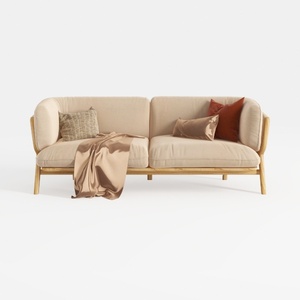

Tennozu Linen Fabric Loveseat Sofa, Convertible Fu
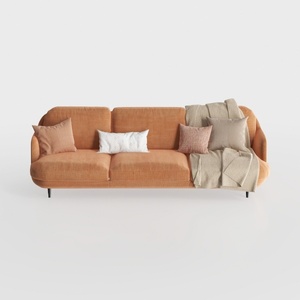
RENDGO Velvet Loveseat Sofa, 64.2'' Mid Modern Sma
Discover the ease of home design with Homestyler! This online platform offers a user-friendly design tool, stunning 3D renderings, diverse design projects, and helpful DIY video tutorials. Whether you’re a beginner or an expert, Homestyler empowers you to transform your ideas into reality effortlessly.
Projete agora para LIVRE
































