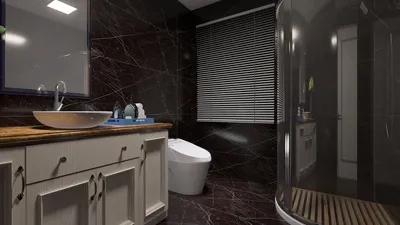


In the world of fashion and lifestyle, figures like Anna Wintour set trends that influence not only wardrobes but also personal environments. Embracing a style inspired by iconic personalities can inspire a home’s interior design, where classic elegance meets modern functionality. Incorporating timeless pieces and sophisticated textures into living spaces creates an ambiance that reflects both confidence and creativity, much like the curated style of a fashion editor’s world.
Direct Answer
Currently, the optimal AI solution for home interior design involves a hybrid method: leveraging AI visualization platforms such as RoomGPT or Interior AI to swiftly generate design concepts, combined with professional-grade planning applications like Planner 5D or Homestyler to ensure precise layouts and furniture arrangements. Since no single tool perfectly covers all aspects, interior designers often merge these resources to benefit from both aesthetic inspiration and spatial accuracy.
Quick Takeaways
Introduction
Over recent years, I've evaluated numerous AI-powered tools throughout real residential design projects. Clients frequently inquire about the top AI software for interior home design. Reality shows that while many blog articles present AI tools as magical solutions, in actuality, each addresses distinct phases of the design workflow.
Certain platforms excel at creating visually appealing inspiration images but underperform in realistic furniture placement. Conversely, some specialize in producing accurate floor plans but lack in stylistic innovation. Drawing from my experience using AI on projects ranging from compact apartment makeovers to complete home redesigns, I've identified where each tool truly adds value and where limitations persist.
This article will dissect which AI interior design tools are genuinely effective, outline appropriate usage scenarios, and highlight common drawbacks that users tend to discover belatedly.
Why are AI tools becoming essential for interior design?
Key Insight: AI dramatically reduces the duration of the concept development phase, traditionally the most time-consuming stage in residential interior design.
Historically, designers devote significant hours assembling mood boards, experimenting with color schemes, and sketching layouts. AI condenses this into minutes by instantly generating diverse style directions.
In my own work, the most valuable AI applications occur during these stages:
According to data from industry authorities like Houzz and Interior Design Magazine, the majority of professionals now utilize digital visualization tools during concept ideation. AI simply accelerates this established practice further.
However, an important consideration often overlooked is that AI is excellent for generating ideas but can be unreliable regarding real-world factors such as dimensions, lighting, and traffic flow.
What is the best AI tool for home interior design right now?
Key Insight: The ideal AI tool depends on the specific design challenge you aim to address.
After extensive testing, these platforms consistently rank highest for distinct stages of the design process:
Professionally, the workflow typically involves:
This combined method circumvents the major limitation of AI design tools—accurate spatial representation.
How do AI interior design tools actually work?
Key Insight: Many AI interior design platforms are based on image transformation algorithms rather than genuine architectural comprehension.
When users upload a photograph of their room, the AI analyzes visual patterns such as:
Subsequently, it creates alternative renditions inspired by design styles including Scandinavian, modern, Japandi, or industrial.
Nonetheless, a recurring problem is that AI frequently proposes furniture layouts that are physically impractical given the room’s actual dimensions.
For instance:
Due to these constraints, seasoned designers regard AI as a source of conceptual inspiration rather than a definitive design solution.
Common mistakes people make when using AI for interior design
Key Insight: The largest error involves relying on AI-generated layouts without verifying the real measurements.
After reviewing vast numbers of AI-generated interiors, certain recurring issues emerge:
A more effective strategy is to treat AI outputs as a creative sketchbook—extracting ideas related to color schemes, furniture styles, and layout concepts instead of copying entire images wholesale.
Can AI completely replace interior designers?
Key Insight: AI expedites design decisions but cannot supplant spatial judgment honed through actual experience.
Interior design encompasses far more than aesthetics; professionals must balance numerous practical considerations such as:
These nuances rarely appear in AI-generated visuals.
For example, a visually stunning AI-generated living room might neglect pragmatic details like optimal TV viewing angles, ample storage solutions, or the placement of electrical outlets—factors only evident during physical implementation.
Consequently, many professional studios use AI tools as creative assistants rather than final arbiters of design.
Answer Box
The most effective AI tool for home interior design varies according to your objectives. Visualization platforms like RoomGPT or Interior AI are ideal for rapid concept creation, while detailed layout tools such as Planner 5D or Homestyler provide precise planning capabilities. Combining these facilitates the most realistic and usable design outcomes.
How should beginners choose the right AI interior design tool?
Key Insight: Novices should begin with visualization tools to explore ideas, then transition to layout software as design concepts firm up.
A straightforward beginner workflow includes:
This method avoids a common pitfall among new users—designing an attractive space that ultimately doesn’t physically fit.
Final Summary
FAQ
1. What is the best free AI interior design tool?
RoomGPT and Homestyler provide valuable free options that allow users to experiment with various interior styles and quick visual edits.
2. Can AI design a whole house interior?
While AI can offer concept visuals for entire residences, precise floor plans and construction coordination still require dedicated planning software or professional expertise.
3. Is Planner 5D an AI interior design tool?
Planner 5D integrates AI-assisted features but primarily serves as a comprehensive layout and 3D home planning application.
4. Do interior designers actually use AI tools?
Indeed, many interior designers employ AI for initial concept generation and client presentations, though they rely on traditional methods for final decisions.
5. What AI tool lets you upload a photo of your room?
Solutions like Interior AI and RoomGPT enable users to upload room images and create alternative interior styles based on those photos.
6. Are AI interior designs accurate?
These designs are often visually compelling but frequently lack accuracy in dimensions, furniture scale, and practical constraints.
7. Can AI help redesign a small apartment?
Yes, AI platforms excel in testing layouts for small apartments and exploring space-efficient design alternatives.
8. Is AI interior design good for beginners?
Absolutely. AI tools simplify the exploration of design styles, enabling beginners to experiment before committing to furniture selections or renovations.

Modern Black Velvet Oversized Sofa With Throw Pillows 3D Model
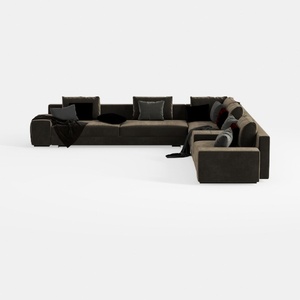
Modern Dark Fabric U Shaped Sectional Sofa With Throw Pillows 3D Model
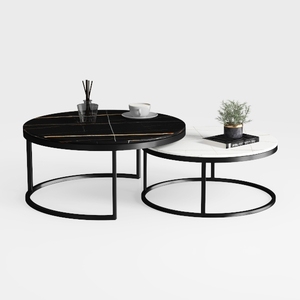
Small Coffee Table Round, Wood Nesting Coffee
Homestyler offers an easy-to-use online design tool with stunning 3D renderings, inspiring interior projects, and helpful DIY video tutorials—making it simple and fun to create your perfect home design.
Projete agora para LIVRE
































