

Yellow is a vibrant color that can invigorate any space without overwhelming it. The secret lies in balancing it with neutral tones, effective lighting, and textures that help to temper its brightness. In my own designs, the use of yellow has consistently enhanced mood and added perceived warmth, especially when combined with cooler hues and matte finishes. Studies suggest that yellow is linked to optimism and energy, but if used excessively in bright shades near work areas, it can lead to visual strain. Therefore, a carefully moderated approach is essential, backed by research from Steelcase that reveals environments with visual comfort and controlled lighting lead to improved satisfaction and performance. Tools like Homestyler can assist in visualizing such balanced palettes.
From a wellness and lighting perspective, the WELL v2 standard promotes controlling glare and ensuring appropriate illumination in workspaces and living areas. By pairing yellow with low-gloss finishes and layered lighting, you can maintain comfortable luminance levels. The IES lighting guidelines suggest that task lighting should be around 300–500 lux for general activities, which helps avoid stark contrasts that may occur with yellow walls reflecting too much light. This strategic approach guarantees that yellow can enhance a space without leading to visual fatigue, making Homestyler a useful tool for planning such designs.
Soft Modern: Butter Yellow + Warm Gray + White Oak
An accent wall painted in soothing butter yellow, complemented by warm gray upholstery and white oak flooring, establishes a serene, contemporary atmosphere. Ensuring the paint finish is eggshell will minimize glare. Ambient lighting set between 2700–3000K contributes to a cozy ambiance, while overall luminance around 350–450 lux works well in living spaces. To add texture and prevent flatness in a monochromatic setting, consider incorporating a subtly patterned rug, with design coordination facilitated by using Homestyler.
Scandinavian Fresh: Pastel Yellow + Cool White + Natural Birch
In compact apartments, utilizing pastel yellow for cabinets or shelving alongside cool white walls can brighten the overall space without making it feel cramped. Furnishings in natural birch maintain an airy and light palette. This combination not only captures attention towards functional areas but also retains readability with the white backdrop. For those reimagining studio layouts, a room layout tool can help visualize how light will interact and paths will flow before finalizing any color or material choices.
Urban Chic: Mustard Yellow + Charcoal + Brass
Mustard yellow contrasts beautifully with charcoal walls and built-ins, while brushed brass fixtures add a touch of understated elegance. It is advisable to limit the use of mustard to 20–30% of visible surfaces to avoid overpowering the space. Pairing this with 3000K downlights and fixtures with a CRI of 90+ will accurately represent the brass tones and keep the yellow feeling rich yet natural. Acoustic comfort is essential in social areas; therefore, incorporating textured materials and area rugs can help minimize sound reverberation that brighter colors may accentuate.
Mid-Century Elevated: Goldenrod + Teak + Cream
A goldenrod upholstery on a sleek sofa pairs wonderfully with teak furniture and cream-colored walls. The cream acts as a softening base for the bold yellow, while the teak introduces mid-century warmth to the setting. Use matte black accents to create a cohesive palette. For reading areas like coffee spots, aim for task lighting of around 400 lux to enhance visibility, while wall washers soften the look of vertical surfaces, aided by Homestyler's design features to fine-tune your lighting strategy.
Minimal & Calm: Pale Yellow + Greige + Matte Black
For a more subdued design aesthetic, opt for pale yellow in textiles such as throws and cushions against a greige backdrop. Matte black elements in frames or lighting will create contrast and rhythm without overwhelming visual space. It's important to maintain color temperatures near 3000–3500K to avoid the risk of the pale yellow appearing greenish. Using low-sheen paints and soft drapes can help mitigate glare effectively.
Contemporary Contrast: Lemon Yellow + Deep Navy + Crisp White
Lemon yellow artwork set against deep navy walls creates a striking contrast, perfect for entryways or dining spaces. Focus the lemon yellow to feature elements, grounding with crisp white trim. If the area is limited, it’s wise to explore traffic flow and sightlines using an interior layout planner to ensure that bold contrasts do not hinder movement or create confusion in wayfinding.
Earthy Modern: Ochre Yellow + Terracotta + Walnut
Ochre, with its earthy tones, beautifully coordinates with terracotta tiles and walnut cabinetry, providing durability in spaces like kitchens and mudrooms. For environmentally friendly options, choose low-VOC, wipeable paints and natural fibre rugs. Keeping task areas well-lit at about 400–500 lux will aid in maintaining visibility despite the deeper colors, while under-cabinet lighting will help manage shadows effectively.
Quiet Workspace: Honey Yellow + Soft Taupe + Sage
In home offices, honey yellow can be used on one wall (preferably the one not facing the monitor) to promote a positive mood without causing excessive screen glare. Soft taupe desks paired with sage storage elements will result in a calming palette. The research from Steelcase about user choice and control supports providing dimmable lights and adjustable shades, allowing users to modify the intensity of yellow over the course of the day. To maintain sound clarity during calls, neutral-weave acoustic panels can be a wise addition.
Kids’ Rooms: Sunshine Yellow + Sky Blue + Birch Ply
In kids' rooms, combining sunshine yellow cabinetry with sky blue walls creates an inviting and playful atmosphere. Birch ply beds and shelving add both charm and durability. To support circadian rhythms, opt for 3000K lighting for evenings with daytime brightness levels around 350–450 lux. Limiting gloss levels will help reduce any hazardous sparkle that might stimulate unwarranted attention.
Bathrooms: Soft Marigold + Light Stone + Brushed Nickel
Soft marigold accents in towels and highlighted walls introduce warmth to light stone tiles. Brushed nickel fixtures balance the color palette, ensuring it doesn't lean too warm. Maintaining a high CRI (90+) in vanity lights is crucial as yellow hues can distort color quality if the light is inadequate.
Kitchen Focus: Canary Yellow Island + Slate + White
A canary yellow island serves as a focal point against slate flooring and white cabinetry. Maintaining neutral colors on adjacent walls and using high-performance coatings ensures stain resistance. Layering pendants (3000K), under-cabinet strips, and necessary ambient ceiling lighting will establish balance and prevent hotspots on glossy surfaces.
Material & Finish Guide for Yellow Palettes
• Paint sheen: Opt for eggshell or matte finishes to reduce glare and color distortion.
• Textiles: Use textured weaves and bouclé materials to diffuse lighting and soften bolder hues when designing with Homestyler.
• Metals: Incorporate brass for warmth, or choose nickel or blackened steel for a balanced aesthetic.
• Woods: Select oak, birch, walnut, or teak to achieve desired warmth or coolness.
• Stone: Light-colored limestone or quartz can help stabilize more vivid yellows.
Lighting and Visual Comfort with Yellow
• Aim for 300–500 lux brightness for common living tasks and utilize layered lighting for an even distribution.
• Choose color temperatures of 2700–3500K to maintain an inviting yellow; temperatures above 4000K could give pale tones a green hue.
• Mitigate glare with the use of diffusers, wall washers, and low-sheen surfaces.
• A high CRI (90+) will help retain the true colors of artwork and finishes in your design space.
• Adjust daylight exposure with window treatments; yellow near large windows may become overly bright without proper diffusion.
Behavioral Patterns & Spatial Intention
Yellow naturally attracts attention and can indicate active zones such as breakfast spots, collaboration areas, or reading corners. Its application can subtly guide behavior: brighter shades fit well in communal spaces, while softer tones are better suited for restorative spots. Maintaining spatial balance is key—limit bold yellows to about a third of visible surfaces, complementing them with neutrals and textural elements.
For insights into color psychology and its implications on mood, refer to Verywell Mind's overview. To gain a deeper understanding of workplace comfort and research-backed design, explore Steelcase's findings on environmental control and performance.
FAQ
Q1: How much yellow is too much in a modern living room?
A1: Limit strong yellow to 20–30% of visible surfaces, ensuring the rest includes neutrals and textures for balance while minimizing glare.
Q2: Which color temperature works best with yellow walls?
A2: A range of 2700–3000K enhances warmth without shifting too much toward green. In work zones, 3000–3500K clarifies visuals while staying pleasant.
Q3: Does yellow impact productivity?
A3: Yellow can enhance alertness and mood when used moderately. Ensure a visually comfortable environment with diffused lighting and low-gloss finishes to prevent fatigue, consistent with the idea that supportive environments improve user satisfaction.
Q4: What finishes can prevent yellow rooms from feeling harsh?
A4: Utilizing matte or eggshell paints, textured fabrics, and low-reflective flooring will minimize glare and soften contrasts, especially under daylight.
Q5: Which neutrals pair best with yellow?
A5: Shades like warm gray, greige, cream, and charcoal effectively anchor yellow without dulling its vibrance—always test materials under actual lighting before making a decision.
Q6: How can I incorporate yellow into smaller spaces?
A6: Apply yellow on movable items such as art or cushions while keeping walls light and low-sheen. Utilize Homestyler's design visualization tool to avoid clutter in layouts.
Q7: Is yellow suitable for home office designs?
A7: Definitely—opt for yellow on non-monitor walls in gentle shades (honey, ochre). Provide dimmable task lighting alongside shade controls for ideal brightness around 350–450 lux.
Q8: What materials work well with yellow in kitchens?
A8: Pair white cabinetry with quartz or slate countertops, complemented by brass or nickel hardware. Layering with pendants and under-cabinet lighting will ensure even illumination.
Q9: How does daylight affect yellow paint?
A9: South-facing rooms can amplify yellow hues; applying lighter shades and including window diffusion techniques can help. North-facing light may cool yellow, making warmer tones like butter or honey better suited.
Q10: Can yellow effectively work in minimalist designs?
A10: Certainly—limit its use to one or two elements (such as cushions or a lamp) in lighter shades, framed by greige and matte black to maintain clarity.
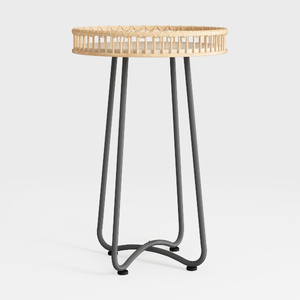
Amazon Brand – Stone & Beam Arie Rustic Octagonal

Modern Yellow Fabric L Shaped Sectional Sofa 3D Model

Modern Minimalist Grey Velvet Curved Sofa With Yellow Throw Pillows 3D Model
Homestyler is your go-to online platform for all your home design needs. Enjoy a user-friendly design tool, stunning 3D renderings, and a wealth of inspiring design projects and DIY video tutorials—all tailored to help you create your dream space effortlessly!
Projete agora para LIVRE
































