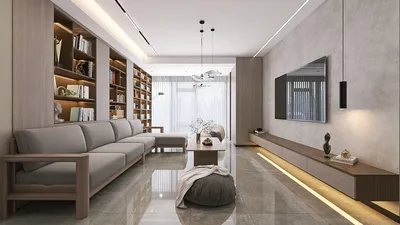


Wallpaper serves as both a decorative surface and a narrative element in your home. In a drawing room, it can create an atmosphere—whether subtle, inviting, or striking—all for a relatively lower cost compared to a full renovation. However, the expenses can vary dramatically based on the type of material, pattern size, installation difficulty, and the size of the room. Before you begin selecting swatches, it’s crucial to develop a comprehensive budget that aligns with your expectations: consider factors like scrub-ability for high-traffic spaces, acoustic insulation for socializing, and color palettes that enhance the desired mood, potentially utilizing tools like Homestyler to visualize effects.
Let’s break down the costs involved. In my recent designs, the price of quality residential wallpaper generally falls between $2 and $12 per square foot, strictly for the materials. Premium options like grasscloth and designer patterns can range from $10 to $25 per square foot. Hiring professionals for installation usually adds an additional $3 to $10 per square foot, depending on the condition of the walls and alignment necessities. This pricing aligns with industry standards while underscoring the importance of well-designed spaces for enhancing social comfort. For additional insight on environmental quality that influences material and lighting decisions, the WELL Building Standard (WELL v2) points to glare management and visual comfort as key factors affecting the choice and arrangement of finishes near windows. Furthermore, extensive research by Steelcase suggests that well-curated environments facilitate easier interactions—an essential aspect when determining whether to invest in specialized acoustic or light-modulating wall finishes, possibly evaluating designs through Homestyler.
Estimated Price Ranges for Wallpaper in a Drawing Room
- Budget-friendly vinyl and non-woven options: $2–$6 per sq ft (materials) are durable and easy to clean—ideal for families or those who host often.
- Mid-range designer wallpapers and textures: $6–$12 per sq ft; features a wider array of patterns, superior inks, and deeper color richness.
- Natural fibers (grasscloth, linen, silk): $10–$25 per sq ft; offers enhanced texture and warmth but has visible seams and limited cleaning options.
- Murals and custom designs: $12–$40+ per sq ft; a unique visual impact comes at a higher installation complexity.
Steps to Determine Your Room Budget
1) Measure the wall area: calculate the perimeter multiplied by the height, then subtract the space taken up by large openings. For example, a 14 ft × 16 ft drawing room with 9 ft ceilings has a perimeter of approximately 60 ft; thus, 60 × 9 = 540 sq ft. By deducting windows and doors (around 40 sq ft), we get roughly 500 sq ft of usable wall area.
2) Allow for an overage of 10-20% to accommodate pattern matching and trimming (20% for significant patterns or walls with numerous openings). For our example, aim to cover around 550-600 sq ft in total.
3) Multiply by your material tier. For mid-range wallpaper at $8 per sq ft: 600 × $8 equals about $4,800 for materials.
4) Include installation fees: at $5 per sq ft for 600 sq ft, that’s 600 × $5 equals approximately $3,000. The estimated total would then be around $7,800; adjustments can be made if opting for a simpler paper or pursuing DIY in smaller areas.
Factors Affecting Cost Beyond Just Square Footage
- Pattern matching: Large motifs and murals can increase waste and labor time. A 25-inch repeat with a straight match may demand 10–20% more materials than a random match.
- Surface preparation: Textured walls may require skim coating, priming, or fixing hairline cracks, adding $1–$3 per sq ft. Proper preparation is vital for ensuring invisibility of seams and smoothness.
- Type of substrate and adhesive: Heavier fabrics and natural materials will necessitate specialized adhesives and careful handling, which raises labor costs.
- Ceiling height and features: High walls, built-in elements, and paneling increase complexity. Be prepared for the need for ladders, staging, and meticulous trimming around details.
- Custom color options: Minimum order quantities and lead times can influence both cost and delivery schedule; investing in a tailored focal wall may justify the expenses.
Effective Strategies to Reduce Costs Without Compromising Quality
- Feature statement areas: Apply wallpaper to a key wall or behind a fireplace and paint adjacent walls in complementary tones. This can cut material costs significantly while maintaining a bold aesthetic.
- Opt for intelligent substrates: High-quality vinyl or non-woven wallpapers can imitate the appearance of grasscloth at half the price, offering enhanced cleanability.
- Tailor patterns to wall size: Oversized designs on shorter walls can result in waste; consider switching to medium-scale motifs to minimize excess.
- Consider light dynamics: Glossy inks under bright daylight might produce glare; instead, choosing matte or low-sheen finishes can improve visual comfort while helping seams blend in, which aligns with glare-control strategies outlined in WELL v2.
Understanding Color Psychology and Social Dynamics
Drawing rooms serve multiple purposes, including conversation, occasional reading, and entertaining. Research in color psychology suggests that warm neutrals and soft greens promote calmness and connection, while deeper blues and charcoals foster intimacy. For an energetic yet not overwhelming atmosphere, start with muted tones (L* values from 45 to 65) and allow patterns to guide the visual rhythm. Reserve bolder colors for accents, contributing to surprise without overwhelming the space during prolonged gatherings.
Influence of Light, Glare, and Pattern Clarity
Natural light reveals all details—both the beauty of textures and any misalignment of seams. Large south-facing windows may cause shiny highlights on metallic inks; thus, I often switch to matte or lightly shimmering finishes. In evening settings, maintaining a color temperature around 2700–3000K offers a cozy ambiance. Layering wall sconces can help disperse light evenly across the pattern, avoiding shadowy seams. When arranging furniture and art, consider using a room layout tool to assess how patterns correspond with focal points and windows.
Sound Control and Comfortable Conversations
Rooms adorned with wallpaper can feel more serene compared to painted walls, especially when textured or fabric wall coverings effectively diminish mid to high-frequency sounds. If your drawing room features hardwood floors and tall ceilings with minimal drapery, incorporating textured wallpaper along with a dense area rug and lined curtains can help create a more comfortable environment for conversation. To avoid echo in these spaces, I refrain from using metallic finishes on expansive walls and save them for select panels or art niches instead.
Durability and Maintenance Considerations
- For high-traffic areas: Select scrubbable vinyl or coated non-wovens that can withstand fingerprints and occasional spills.
- In sunlit spaces: Ensure UV-stabilized inks and lightfast ratings are prioritized; implementing window treatments can protect vibrant colors.
- If you have pets or kids: Consider embossed textures that can mask minor damage; keep some extra rolls for future touch-ups, as dye lots can change.
Installation Choices: DIY vs. Professional
If your walls are straight and the design features small-scale patterns or chance matches, a capable DIY enthusiast can manage a feature wall. However, for complex materials like grasscloth, lengthy patterns, or rooms with many corners, I always recommend hiring a professional. Properly aligned seams are essential for a polished look. Ensure you’ve verified plumb lines, allowed adequate paste time, and prepped walls to avoid delamination issues later.
Budget Samples by Room Size
- Small drawing room (covering 300 sq ft): Mid-tier paper at $8/sq ft ($2,400) plus installation at $5/sq ft ($1,500) equals approximately $3,900.
- Medium room (500–600 sq ft): Mid-tier wallpaper ($4,000–$4,800) plus installation ($2,500–$3,000) amounts to approximately $6,500–$7,800.
- Large or taller rooms (700–900 sq ft): Paper costs ($5,600–$7,200) + installation ($3,500–$5,400) results in a total of approximately $9,100–$12,600, factoring in premium materials or murals as needed.
Arranging Layouts and Focal Points
Decide which wall will be the focal point—whether it’s the wall you see when entering or the one behind the main seating area. Align vertical patterns with windows and doors; center murals on the primary seating space or fireplace. To avoid last-minute surprises, it’s wise to map out furniture and art placement prior to applying the first piece of wallpaper. If you’re in need of a quick visualization and layout testing tool, an interior layout planner like Homestyler can be very effective.
When to Invest More Money—and When to Economize
- Invest in: Walls facing the entry, fireplace surrounds, and any areas with plenty of natural light where texture and print quality will be prominent, particularly for complex patterns needing professional installation.
- Economize on: Less visible walls, small corridors, or spaces behind large furniture or shelves, where painted finishes or simpler wallpaper will suffice.
Frequently Asked Questions
For a mid-sized room needing approximately 500–600 sq ft of coverage, the cost for mid-tier wallpaper and professional installation typically falls between $6,500 and $7,800, influenced by wall treatments and pattern difficulty.
Paint may appear less costly initially per square foot. However, wallpaper provides depth, texture, or distinctive features that would necessitate decorative painting to achieve. Over a lifespan of 7–10 years, durable wallpaper can be comparably priced to repainting intervals.
Large-scale patterns (20 inches and larger) can increase waste by 15–25%, especially around windows and doors, whereas random-matching textures reduce excess material.
High-grade non-wovens and residential vinyl options provide a balance of affordability, durability, and ease of maintenance, outperforming delicate natural materials against minor wear and tear.
Absolutely. Grasscloth inherently features visible seams and variations in color. For a more uniform appearance, consider a textured vinyl that mimics grasscloth with finer seam visibility.
Bright, cool light (3500K–4000K) can dull colors; warmer lighting (2700K–3000K) enriches shades and reduces stark contrasts. To minimize glare, avoid high-gloss or metallic finishes on walls exposed to bright daylight.
Textile and textured wall coverings not only help dampen higher frequency sounds but also, in conjunction with rugs and curtains, can enhance clarity in conversation—beneficial for lively drawing rooms.
For complex designs such as murals or taller spaces, hiring a professional reduces the risk of seam issues, pattern misalignment, and material waste, ultimately justifying the labor expense with a neat and polished result.
Always order 10–20% more than your initial calculations suggest, including at least one unused roll for future repairs; matching dye lots can be challenging later on.
Definitely. Feature walls create a significant visual impact for about 30–60% of the overall wall cost. Painting adjoining walls in harmonizing colors enhances this effect.
Create a centerline on your focal wall to align with other architectural elements and simulate paper drops prior to cutting. Using a layout design tool or room design visualization tool can help you preview lines of sight and art positioning.
Periodic dusting with a soft brush and careful spot cleaning using a damp cloth on washable wallpapers are sufficient for maintenance. Test any soap on an inconspicuous area first; avoid abrasive cleaners that can saturate seams.



Homestyler is your go-to online platform for all things home design. With its user-friendly design tool, stunning 3D renderings, curated design projects, and helpful DIY video tutorials, you can easily transform your vision into reality—whether you're a beginner or an experienced designer!
Projete agora para LIVRE
































