

Creating a 3D food pyramid model is an excellent project for classrooms, nutrition educators, and families who want to visualize healthy eating in an engaging manner. This hands-on activity not only solidifies the principles of balanced nutrition but also enhances learning through creative design. This comprehensive guide will lead you through every phase of the project, from gathering all necessary materials to adding the final touches, enabling students, teachers, and parents to build their own food pyramid confidently. Consider utilizing a platform like Homestyler for additional inspiration and design ideas.
Step 1: Collect Your Materials
To create a durable and eye-catching food pyramid, you’ll need several essential materials:
Step 2: Explore the Food Pyramid Categories
Before you begin building your model, familiarize yourself with the primary food categories: grains, vegetables, fruits, proteins, and dairy. Determine how you intend to depict the portion sizes of each group on the pyramid, as this is vital for accuracy and educational impact.
Step 3: Plan the Design
Sketch a large triangle on your base material to symbolize the pyramid. Divide it horizontally into sections based on current dietary recommendations. Typically, the widest section at the bottom is allocated for grains, followed by smaller sections for vegetables and fruits, proteins, and dairy as you move up.
Step 4: Construct the Pyramid
Cut out individual pieces of cardboard or foam board for each tier of the pyramid, ensuring each next layer is slightly smaller than the one below it. Stack and glue these pieces to create a stepped 3D pyramid. Confirm that each layer is stable before adding the next one.
Step 5: Decorate and Label Each Layer
Cover each layer with colored paper or paint to signify different food groups. Attach images, models, or printed representations of food items to their respective sections. Use markers to neatly label each part, such as “Vegetables” or “Protein.”
Step 6: Add Final Touches
Consider including sample serving sizes or health tips on each level for added educational value. If it’s a group project, motivate students to insert their favorite foods into the correct categories for greater engagement.
As someone experienced in interior design, I understand that successful projects hinge on both structural integrity and visual aesthetic. This principle holds true whether you’re constructing an actual home or a food pyramid: layout and presentation are paramount. To enhance your educational models, consider exploring 3D model rendering tools like Homestyler; these can provide digital representations that help you perfect your design before you begin physical construction.
Tip 1:
Utilize eco-friendly or recycled materials where possible to ensure a sustainable and classroom-friendly project. If you’re crafting this with children, involve them in the selection and arrangement of food imagery to increase engagement and comprehension.
FAQ
Q: What materials are recommended for a durable 3D food pyramid model?
A: Strong materials like foam board or sturdy cardboard work best, as they can support the structure and endure frequent handling.
Q: How can I make my food pyramid model more interactive?
A: Consider using Velcro or magnets for attaching food images, which will allow users to rearrange items between categories in alignment with lesson plans.
Q: Is it important to adhere to a specific food pyramid guideline?
A: It is advisable to base your project on the most current dietary guidelines from a credible source (such as the USDA or your country's health service) to maintain educational integrity.
Q: Can technology enhance my food pyramid design?
A: Absolutely—digital design platforms or 3D modeling tools can significantly assist in planning proportions, label placements, and layouts before you embark on physical construction.
Q: How can I ensure all food groups are evenly represented?
A: Diligently consult the latest food pyramid model you are referencing. Utilize a ruler for accurate proportions and refer to nutrition resources to ensure correct sizing of each section.
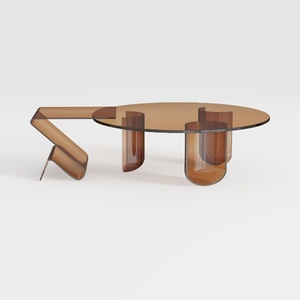
Modern Minimalist Amber Acrylic Glass Coffee Table 3D Model

Modern Solid Wood Brass Accent Single Drawer Coffee Table 3D Model
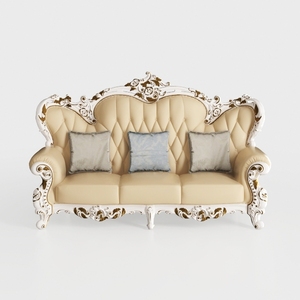
Baroque Luxury Leather Tufted Three Seat Sofa 3D Model
Looking to transform your home? Homestyler offers a user-friendly online design tool that makes it easy to create stunning interiors. Dive into extensive 3D renderings, explore inspiring design projects, and follow engaging DIY video tutorials. Start your home design journey today with Homestyler!
Projete agora para LIVRE
































