


Direct Answer
Completing an interior design diploma opens doors to various entry-level positions such as interior designer assistant, CAD technician, space planner, showroom consultant, or freelance residential designer. Many graduates start in junior roles within design studios or architectural firms, gradually honing expertise in residential, commercial, or visualization specialties.
With a strong portfolio and proficiency in design software like Homestyler, diploma holders can cultivate successful careers in both employed and freelance interior design sectors.
Quick Takeaways
Introduction
A frequent inquiry I receive from students is about the career opportunities available after earning an interior design diploma. Over the past decade, I have guided numerous junior designers, many of whom began with diploma credentials rather than full degrees.
In reality, the interior design industry prioritizes practical skills over formal academic qualifications. If you can deliver functional layouts, communicate your design concepts effectively, and utilize visualization software such as Homestyler, design firms are eager to onboard you.
Many diploma students underestimate the range of roles beyond the typical 'interior designer' position. The field includes visualization experts, layout planners, furniture consultants, styling assistants, and digital design professionals.
Students who engage in authentic project workflows — including developing AI-supported interior design concepts for client presentations — often secure jobs more rapidly due to their familiarity with real-world design processes.
This guide will explore viable job roles, hiring industries, salary expectations, and strategies for career advancement once you land your first interior design position.
save pin
What Jobs Can You Obtain After an Interior Design Diploma?
Key Insight: The majority of diploma recipients begin their careers in specialized junior roles rather than stepping straight into independent designer positions.
Interior design is inherently collaborative, involving architects, contractors, lighting specialists, furniture suppliers, and visualization professionals. As a result, studios frequently employ diploma graduates to handle focused segments of the design workflow.
Common roles include:
According to the U.S. Bureau of Labor Statistics, the interior design profession continues to grow alongside residential renovation and commercial office redesign. Smaller studios, in particular, rely on diploma graduates versed in practical drafting and spatial planning.
In numerous firms I've observed, the most valuable junior team members weren't always degree holders, but those who could promptly deliver usable floor plans and visual renderings.
Entry-Level Positions in Interior Design Firms
Key Insight: Entry roles typically emphasize technical production rather than creative concept development.
New graduates often envision designing entire interiors immediately. However, initial tasks usually involve supporting senior designers with detailed production work.
Typical duties involve:
One skill that considerably enhances employability is expertise in layout planning. Firms consistently seek designers knowledgeable in circulation patterns, zoning, and furniture scaling.
Students practicing tasks like constructing detailed residential floor plans through 3D planning software such as Homestyler often adapt more quickly within design teams.
My experience mentoring junior designers shows that those mastering drafting and 3D modeling within the first year tend to advance into full designer roles faster.
save pin
Freelance Interior Design Prospects for Diploma Graduates
Key Insight: Freelancing commonly begins with smaller residential projects like room makeovers, furniture arrangements, or rental property styling.
A substantial number of diploma holders start freelance work within two years of graduation, particularly in residential design markets.
Freelance projects often include:
The main benefit of early freelancing is portfolio building. Each completed project serves as a case study that can attract more prominent clients later.
Nonetheless, a challenge often underestimated is project coordination. Freelancers need to liaise efficiently with contractors, suppliers, and clients simultaneously—skills seldom covered extensively in diploma programs.
save pin
Industries Employing Interior Design Diploma Graduates
Key Insight: Interior design expertise is valuable well beyond conventional studios.
Many sector leaders depend on interior design skills to enhance user experience and increase property value.
Typical hiring industries comprise:
Developers and real estate marketing teams increasingly recruit visualization professionals capable of producing photorealistic interiors using tools like Homestyler for sales presentations.
Students adept at generating photorealistic interior renderings for property marketing often secure positions within real estate and property development companies.
Expected Salary for Interior Design Diploma Holders
Key Insight: Earnings vary widely depending on software expertise, portfolio strength, and geographic location.
Entry-level salaries differ regionally, though industry trends show consistency.
Typical salary trajectory includes:
One often overlooked aspect is specialization in design software. Professionals skilled in rendering, modeling, and spatial visualization—including platforms like Homestyler—often command higher starting wages due to their direct involvement in project delivery.
Career Growth After Your First Interior Design Job
Key Insight: Progression depends more on accumulated project experience and portfolio quality than on formal credentials.
Post initial employment, prioritizing a robust portfolio showcasing real-world project results is essential.
Focus areas for development should be:
Designers who systematically document their projects with before-and-after photos, layout sketches, and 3D visuals often accelerate into senior roles.
Answer Box
An interior design diploma can unlock a variety of career paths, including junior designer, CAD technician, visualization specialist, showroom consultant, or freelance residential designer. Proficiency in software like Homestyler and a well-crafted portfolio greatly enhance job prospects and salary potential.
Final Summary
FAQ
Can I become an interior designer with only a diploma?
Absolutely. Many professionals begin their careers with a diploma, as employers often value portfolio quality, software competence, and hands-on experience more than academic degrees.
What are the best jobs after completing an interior design diploma?
Popular positions include junior interior designer, CAD technician, design assistant, showroom consultant, and visualization artist.
Is freelancing viable following an interior design diploma?
Yes. Numerous diploma holders commence freelancing with projects focused on room redesigns, spatial planning, and furniture selection.
Which software should interior design diploma students master?
Essential tools include 3D modeling applications, rendering software, CAD drafting programs, and interior visualization platforms like Homestyler.
What is the typical starting salary after earning an interior design diploma?
Entry-level roles commonly offer salaries between $35,000 and $55,000 annually, influenced by experience and location.
Do architectural firms hire interior design diploma graduates?
Yes. Architecture firms often employ diploma graduates for drafting, layout planning, and visualization assignments.
How can I boost my salary after earning an interior design diploma?
Enhancing visualization expertise, gaining real-world project experience, and maintaining a compelling portfolio are key strategies.
Which industries most frequently recruit interior design diploma graduates?
Leading employers include interior design studios, real estate developers, furniture manufacturers, and hospitality companies.
References
U.S. Bureau of Labor Statistics – Occupational Outlook for Interior Designers
American Society of Interior Designers Industry Reports
Homestyler's roots trace back to Autodesk, the global leader in design and engineering software. That heritage lives on in every feature we build. Today, with a community of more than 20+ million registered users (platform data, 2026) worldwide, Homestyler continues to make professional-quality interior design accessible to everyone — from first-time decorators to seasoned architects.

Minimalist White Metal Electric Standing Desk 3D Model


Minimalist Walnut Wall Mounted Bookshelf 3D Model
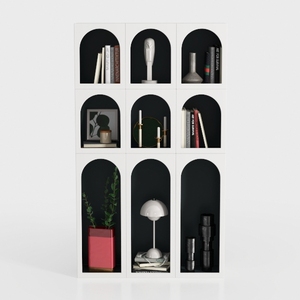
Minimalist White Arched Bookshelf Storage Cabinet 3D Model
Homestyler is an easy-to-use online platform offering powerful home design tools, stunning 3D renderings, and a rich collection of interior design projects. With helpful DIY video tutorials, it’s perfect for bringing your home design ideas to life effortlessly.
Projete agora para LIVRE