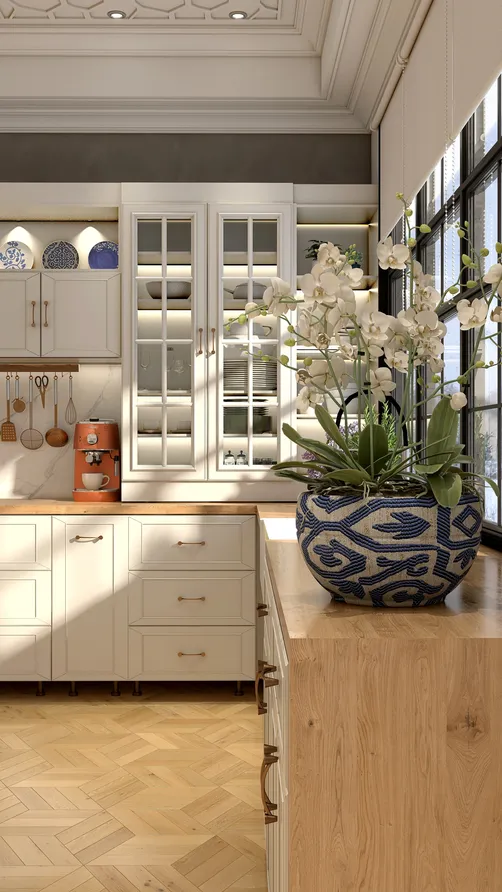
Provence-Inspired Living Space Design
The Provence-inspired living space design draws from the pastoral charm of southern France—emphasizing light-filled, airy environments with a soft ivory-beige base, warm accents like buttercup yellow and lavender, and natural textures. Key architectural elements include arched doorways, exposed wooden beams, handcrafted tile mosaics, vintage wooden furniture, and woven rattan accessories. This scene transcends literal room types (e.g., bedroom or kitchen) to represent a holistic, emotionally resonant interior space: a cozy, romantic, and bucolic living environment where nature, craftsmanship, and timeless elegance converge. It prioritizes sensory comfort—gentle lighting, tactile materials, abundant greenery, and floral motifs—making it ideal for residential interiors seeking warmth, authenticity, and serene sophistication.
Design Challenges and Common Pitfalls
Achieving authentic Provence style without slipping into cliché or visual clutter is a primary challenge. Designers often overuse lavender tones or floral patterns, resulting in a saccharine or theme-park aesthetic rather than refined rusticity. Poor spatial planning—especially in smaller apartments—can undermine the ‘airy, sun-drenched’ ideal when layout hinders natural light flow or circulation. Additionally, balancing vintage character (e.g., distressed wood, wrought iron) with modern functionality (e.g., integrated storage, accessible fixtures) remains difficult without AI-assisted interior space planning tools. Many entrants also struggle to harmonize multiple warm accent colors (lavender, sage, buttercup) cohesively across surfaces, textiles, and finishes—leading to disjointed color stories and weak visual hierarchy.
🎨 Soft & Harmonious Color Palette
A Provence-inspired living space relies on a restrained, luminous palette anchored by soft ivory-beige walls and floors, layered with gentle, nature-derived accents—not bold primaries. Buttercup yellow, lavender, sage green, and creamy whites should appear in varying saturation and scale (e.g., lavender in upholstery, sage in botanicals, buttercup in ceramic accents), always grounded by natural wood tones and stone textures. Avoid cold grays or stark contrasts; instead, embrace tonal harmony and subtle transitions to maintain serenity and spaciousness—even in compact indoor spaces.

Emma LA’s 'P-116-26th of May' demonstrates this principle masterfully in a bathroom setting—though adapted to the Provence ethos. She uses ivory-toned marble vanities and soft beige wall tiles as a neutral canvas, then introduces lavender-hued towels and botanical greenery as gentle, intentional accents—not dominant hues. Her use of Homestyler’s real-time 3D rendering allowed precise color simulation under varied lighting (evening ambiance, as noted in tagValue), ensuring tonal harmony before execution. This reflects advanced indoor space planning: selecting materials not just for aesthetics but for how their pigments interact with light and adjacent surfaces—a core Homestyler design technique.
Start Free Design🪵 Natural Materials & Textural Layering
Authenticity stems from material honesty: raw wood (especially reclaimed or whitewashed oak), limestone or terracotta flooring, hand-glazed ceramic tiles, linen textiles, and woven rattan or seagrass. These are never used uniformly—instead, they’re layered intentionally: a smooth marble countertop beside a rough-hewn wooden stool; crisp linen curtains draped over a textured plaster wall; a delicate wrought-iron light fixture above a chunky timber beam. Texture creates depth and warmth while supporting the rustic-elegant duality central to Provence style—and is especially vital in small-scale interior space planning, where tactile variety compensates for limited square footage.

Tania Cociti’s 'Puglia Chic'—while rooted in Italian vernacular—exemplifies Provence-aligned textural layering in a compact apartment entryway. She juxtaposes smooth white-painted cabinetry with a richly grained reclaimed wood console, soft velvet cushions against nubby linen curtains, and glossy ceramic vases atop matte stoneware trays. Using Homestyler’s AI-powered material library, she tested dozens of surface combinations virtually, ensuring contrast was perceptible yet cohesive at human scale. This intelligent material curation is a hallmark of professional Homestyler design techniques—enabling confident, low-risk decisions during early-stage interior space planning.
Begin Your Free Design🌿 Biophilic Integration & Light-Centric Layout
Light is the silent protagonist in Provence design. Spaces must maximize natural illumination through large windows, arched openings, and reflective surfaces (limewash walls, mirrored accents, polished stone). Equally essential is biophilic integration: potted lavender, olive trees, climbing ivy, or dried floral arrangements aren’t decorative afterthoughts—they’re structural elements that soften lines, add movement, and reinforce seasonal rhythm. In constrained layouts, vertical gardens, hanging planters, and strategically placed mirrors expand perceived volume and bring the outdoors in—key strategies for effective indoor space planning.

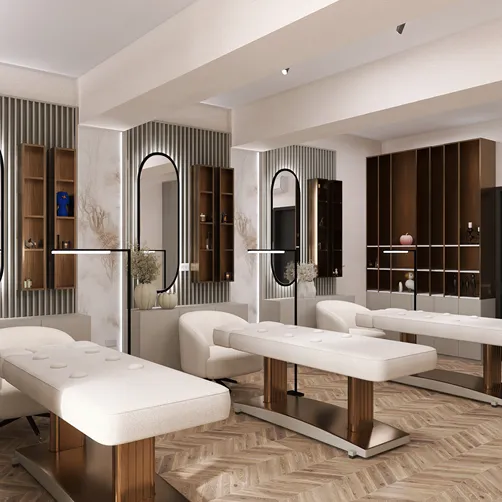
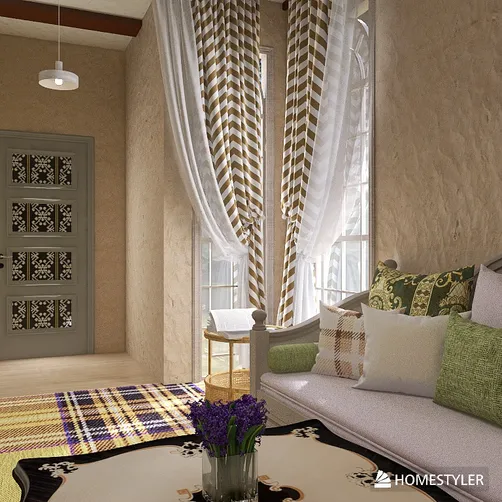
Adu Philip’s 'Cristina N. – Salon' applies Provence’s light-and-life principles to a functional wellness space. Large transparent drapes (tagValue: 'windows, apartment, cozy, plants') flood the room with daylight, while oversized mirrors multiply both light and greenery—creating an immersive, garden-like atmosphere despite urban constraints. Her Homestyler AI model simulated sunlight angles across morning-to-evening timelines, allowing her to position plants and reflective surfaces for optimal glow and shadow play. This data-informed, biophilic interior space planning showcases how Homestyler design techniques transform even commercial or compact zones into soulful, Provence-evoking sanctuaries.
Launch Free DesignFAQ
Q: How can I adapt Provence style to a small apartment without making it feel cramped?
Use light-reflective surfaces (ivory plaster, pale wood floors), arched niches instead of solid walls, and vertical greenery to draw the eye upward. Prioritize multi-functional vintage pieces—like a rattan daybed with hidden storage—and leverage Homestyler’s 3D layout tools to test sightlines and circulation before committing.
Q: Is lavender color mandatory for Provence interiors?
No—it’s evocative but optional. The essence lies in softness, warmth, and natural harmony. Substitute with sage, ochre, or dusty rose if lavender feels overwhelming. Homestyler’s color palette generator helps preview alternatives across real-time lighting conditions for accurate indoor space planning.
Q: Can I mix Provence elements with modern minimalist furniture?
Absolutely—this fusion defines contemporary Provence. Pair a clean-lined sofa with a hand-knotted lavender rug and a weathered oak coffee table. Use Homestyler design techniques to balance proportions: let one rustic piece anchor the space while keeping other elements streamlined. This prevents visual noise and supports cohesive interior space planning.
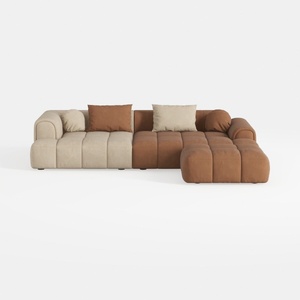
Modern Velvet Sectional Sofa, U Shape Minimalist M
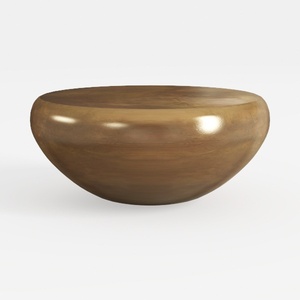
Minimalist Solid Wood Round Coffee Table 3D Model


Homestyler is a powerful online home design platform offering easy-to-use design tools, realistic 3D renderings, inspiring design projects, and helpful DIY video tutorials—perfect for anyone looking to create and visualize their dream space effortlessly.
Projete agora para LIVRE