Children's Interactive Living Space Design
The 'Children's Interactive Living Space' is a multifunctional, emotionally resonant interior environment designed specifically for children aged 3–12 — transcending traditional 'children's room' boundaries to integrate play, learning, memory-making, and social interaction within shared family zones. Inspired by the Homestyler Children’s Day Web Contest theme of 'deep interaction', this scene emphasizes co-creation (e.g., photo walls with child-contributed art), sensory-rich elements (textures, light, sound), and adaptable furniture that grows with the child. It prioritizes psychological safety, autonomy, and emotional anchoring — transforming everyday spaces like living rooms, play corners, or transitional zones into joyful, memory-laden ecosystems where children don’t just occupy space but actively shape it.
Design Challenges & Common Pitfalls
Designing for deep interaction with children introduces unique complexities: balancing safety and freedom (e.g., open shelving must be stable yet accessible); avoiding visual overload while stimulating curiosity; integrating durable, non-toxic materials without sacrificing aesthetic warmth; and accommodating diverse developmental needs (motor skills, sensory processing, attention spans) in one cohesive layout. A frequent oversight is treating the space as purely decorative or adult-centric — neglecting child-scale sightlines, reachable storage, tactile variety, and opportunities for self-expression. Poor indoor space planning often leads to underutilized corners, cluttered circulation paths, or rigid zones that stifle spontaneous play and social bonding.
✅ Prioritize Child-Centered Spatial Hierarchy
Structure the space around the child’s physical scale, cognitive flow, and emotional rhythm — not adult convenience. Zone activities by function (calm reading nook, dynamic play zone, creative display wall) using low-height furniture, clear floor markings, or soft area rugs. Ensure at least 60% of wall surfaces are at 0.8–1.2m height for child-accessible interaction (e.g., rotating art frames, magnetic boards, pull-down shelves). Maintain unobstructed 90cm-wide pathways for wheelchair and trike mobility, supporting inclusive design from the outset.

Susan Pimentel’s 'CLOUDS' exemplifies child-centered spatial hierarchy: a central wooden 'tree' structure anchors the room visually and physically, with cloud-shaped pendant lights hung at varying heights (0.9m–1.4m) to invite gaze-following and tactile curiosity. The low-profile sofa and rounded bookshelf edges align precisely with preschool ergonomics, while the open-plan layout — rendered seamlessly using Homestyler AI design tools — allows uninterrupted sightlines between caregiver and child across zones. Her use of Homestyler’s real-time 3D walkthrough confirmed optimal circulation width and age-appropriate sightline clearance before finalizing the interior space planning.
Start Free Design🎨 Embed Multi-Sensory Memory Triggers
Go beyond visual appeal by layering touch (textured wall panels, woven baskets), sound (wind chimes near windows, quiet-zone acoustic baffles), scent (natural wood finishes, lavender-infused felt), and kinetic feedback (swinging doors, spin tables, pressure-sensitive floor tiles). Integrate personal artifacts — scanned drawings, 3D-printed name plaques, audio-recorded family stories triggered by NFC tags — to transform static walls into responsive memory carriers. This satisfies neurodiverse needs while deepening emotional connection through embodied, multisensory recall.

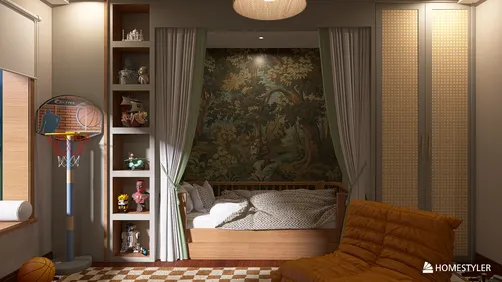
rossella C.’s 'Kids room' uses Homestyler AI design tools to simulate light diffusion across a textured grasscloth accent wall and test fabric acoustics for a reading nook — validating how sound-absorbing curtains and cork flooring reduce echo during storytelling. She embedded a ‘memory ladder’ — a vertical shelf system with removable slots for rotating artwork — modeled in Homestyler’s drag-and-drop interface to ensure each slot was graspable at 0.75m height. This demonstrates intentional indoor space planning that merges sensory architecture with child-led curation.
Begin Free Design🌱 Design for Growth & Co-Creation
Avoid fixed, age-specific themes (e.g., cartoon characters that quickly feel babyish). Instead, choose modular, reconfigurable systems: wall-mounted track lighting that adapts to changing task needs; height-adjustable desks; neutral backdrops (linen walls, oak floors) that let children personalize via interchangeable textile panels or magnetic murals. Build in ‘co-creation moments’: blank canvas walls for seasonal art swaps, writable baseboards for chalk doodling, or a ‘family story shelf’ where each member adds a meaningful object monthly — fostering ownership and intergenerational narrative continuity.

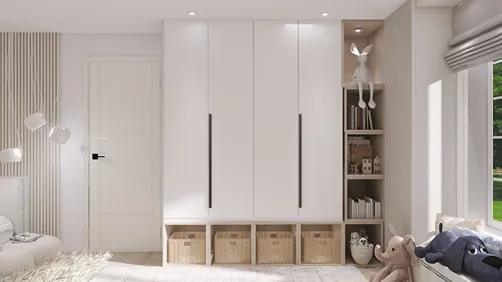
Галина Ясковець’s unnamed design leverages Homestyler’s parametric furniture library to swap a toddler-sized reading bench for a teen-friendly lounge pod — all within the same footprint — validating long-term flexibility. She used Homestyler AI design tools to generate three distinct color palettes based on natural light simulation (morning vs. afternoon HDR settings), selecting warm neutrals that support both focus and calm. Her minimalist wall system — shown in the render — leaves ample white space for rotating child-made collages, embodying growth-oriented indoor space planning without visual clutter.
Launch Your DesignFAQ
Q: How does 'deep interaction' differ from standard child-friendly design?
Deep interaction moves beyond safety and bright colors to prioritize reciprocal emotional exchange — spaces that respond to the child (e.g., motion-activated light paths), preserve their voice (display systems for original art), and invite ongoing co-authorship (modular walls, editable digital storyboards). It’s about designing *with*, not just *for*, the child.
Q: Can Homestyler AI tools simulate developmental appropriateness (e.g., reach height, visual field)?
Yes — Homestyler’s real-time 3D rendering includes human avatar presets (including child-scale avatars), sunlight path analysis, and interactive measurement overlays. Designers use these to verify sightlines, graspable edge heights (≤1.2m), and glare-free reading zones — critical for evidence-based indoor space planning.
Q: What’s the most common mistake when applying 'interactive memory carriers' like photo walls?
Overloading static displays. Top-winning entries (e.g., Amy ✨’s beach playground video) use layered interactivity: physical texture + QR-linked audio stories + rotating physical inserts. Avoid permanent glue-downs; instead, use magnetic strips, Velcro backings, or track-mounted frames — all easily modeled and tested in Homestyler before build.
Q: Do contest-winning designs favor large or small spaces?
Both succeed — the key is proportional intentionality. Susan Pimentel’s 46.4㎡ 'CLOUDS' maximizes vertical memory walls and multi-level seating; Marina Arkhireeva’s 63.4㎡ 'Lisa’s Room' uses zoning and thematic continuity (forest motif across bedroom + bathroom) to create perceived spaciousness. Homestyler design tips emphasize smart furniture arrangement and visual rhythm over raw square footage.

Modern Minimalist Solid Wood Metal Office Desk 3D Model
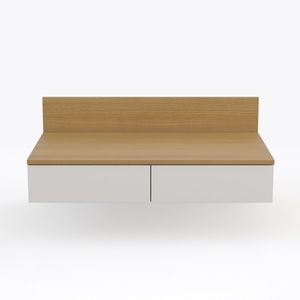
Minimalist Two Tone Solid Wood Floating Nightstand 3D Model
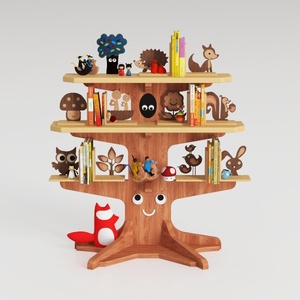

Cartoon Solid Wood Tree Shaped Kids Bookshelf 3D Model
Homestyler offers an easy-to-use online design tool packed with stunning 3D renderings, inspiring design projects, and helpful DIY video tutorials. It’s perfect for anyone looking to create beautiful interior designs effortlessly and bring their home ideas to life.
Projete agora para LIVRE