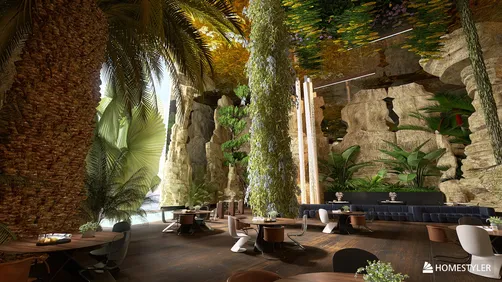
Cave-Inspired Dining Space Design
The 'Cave-Inspired Dining Space' is a conceptual interior design scenario that reinterprets primal, organic environments—such as natural grottos, rock-cut chambers, or earthen caverns—as sophisticated, functional, and emotionally resonant dining venues. Unlike literal cave conversions, this scene emphasizes the *aesthetic and experiential essence* of cave-like qualities: irregular geometry, raw materiality (stone, clay, aged wood), layered spatial sequences, controlled light interplay, and deep integration with nature or elemental themes. It transcends geography—appearing as a cliffside ocean retreat, a desert-dune sanctuary, an urban subterranean lounge, or even a twilight-lit forest grotto—unified by atmosphere over architecture. This makes it a powerful typology for designers exploring biophilic design, sensory storytelling, and immersive hospitality interiors using tools like Homestyler AI for rapid spatial planning and real-time 3D rendering.
Design Challenges & Common Pitfalls
Designing a cave-inspired dining space presents unique challenges rooted in its inherent contradictions: it must feel ancient yet contemporary, raw yet refined, enclosed yet expansive, and intimate yet socially engaging. Common pitfalls include overemphasizing 'roughness' at the expense of comfort and accessibility; neglecting acoustics in highly reflective stone environments; failing to integrate lighting meaningfully (leading to gloom or visual monotony); misbalancing scale—either overwhelming guests with cavernous voids or shrinking intimacy with excessive partitioning; and overlooking practical hospitality needs (e.g., service flow, ADA compliance, ventilation) in pursuit of aesthetic purity. Effective indoor space planning here demands rigorous zoning, material performance analysis, and iterative visualization—precisely where Homestyler design techniques shine.
Design Principles
🪨 Embrace Organic Materiality & Textural Contrast
Prioritize authentic, tactile materials—exposed bedrock, rammed earth walls, charred timber, hand-forged metal, and undyed linen—to evoke geological time and craftsmanship. Crucially, avoid monotony: juxtapose rough-hewn stone with smooth plaster, coarse concrete with polished basalt, or matte clay with warm brass accents. Texture becomes both visual language and haptic narrative, grounding the space in authenticity while elevating sophistication. This principle ensures the cave-inspired dining space feels lived-in and intentional—not merely decorative or themed.

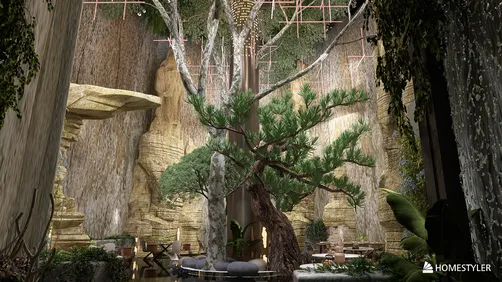
Rutchevelle Den Ouden, ND’s award-winning 'Hidden' design masterfully applies this principle: exposed, sculptural rock formations are balanced by sleek, low-profile velvet banquettes and precisely directed pendant lighting. Using Homestyler AI, they simulated how light interacts with varying stone textures across different times of day—ensuring warmth and legibility without sacrificing rawness. Their interior space planning deliberately leaves negative space around key rock features, letting texture breathe and preventing visual fatigue—a hallmark of advanced Homestyler design techniques.
Start Designing Now🕯️ Curate Light as a Spatial Sculptor
Light is not illumination—it’s the primary tool for shaping perception, mood, and circulation in cave-inspired spaces. Rely on layered, indirect sources: recessed cove lighting to soften ceiling contours, focused spotlights to highlight geological features or art, concealed LED strips along stair treads or wall fissures, and strategically placed candles or fire elements for dynamic, human-scale warmth. Avoid overhead downlights—they flatten depth and destroy mystery. The goal is chiaroscuro: deliberate contrast between pools of light and enveloping shadow that guides movement and invites discovery.

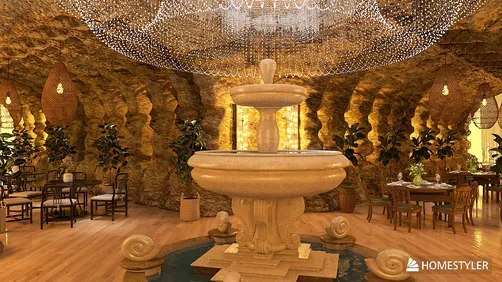
Cecilia Botha’s 'Cave restaurant' leverages Homestyler’s HDR sunlight simulation to harmonize natural ocean-side daylight with artificial warmth. She uses soft uplighting on textured stone columns and subtle backlighting behind white-accented archways—creating depth and elegance against the cave’s ruggedness. Her Homestyler design techniques allowed precise control over luminance ratios, ensuring dining tables remained well-lit while preserving atmospheric shadows in circulation zones—an essential refinement for professional indoor space planning.
Begin Your Free Design🌿 Forge Seamless Indoor-Outdoor Continuity
Even in fully enclosed caves, the psychological connection to nature is non-negotiable. Achieve continuity not through literal windows alone, but via biomorphic forms (curved walls echoing erosion), living elements (vertical gardens, moss walls, water features), natural color palettes (ochres, slate greys, forest greens), and airflow strategies that mimic breezes. Integrate outdoor views *strategically*: frame a distant sea vista through a narrow rock aperture, or reflect a lush courtyard in a polished stone floor. This principle transforms the cave from a sealed relic into a breathing, living extension of the landscape.

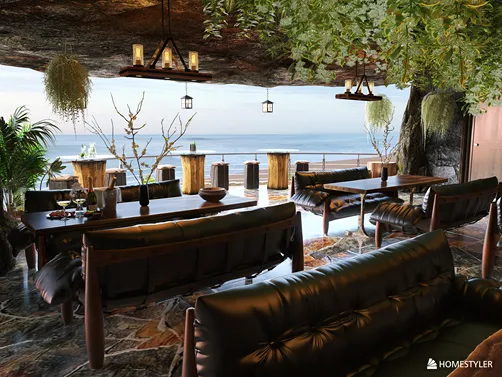
anjaa mmm’s 'CAVE' exemplifies this principle: outdoor tables sit directly atop natural rock ledges, blurring thresholds with the ocean horizon beyond. Using Homestyler’s terrain modeling and plant library, she embedded native grasses and succulents into crevices and designed a pergola that mimics branching tree canopies. Her interior space planning intentionally orients every seat toward the view or the garden wall—proving that even within constrained cave geometry, Homestyler design techniques enable intentional, nature-led spatial choreography.
Create Your Cave SpaceFAQ
Q: How does Homestyler AI specifically support complex cave-inspired spatial planning?
Homestyler AI accelerates cave-inspired design by enabling instant 3D prototyping of irregular geometries (e.g., curved rock walls, multi-level terraces), real-time material and lighting previews under varied HDR environments (sunrise, twilight, candlelight), and automated furniture layout optimization within non-rectangular footprints—critical for navigating tight, organic constraints while maintaining hospitality functionality.
Q: Can I apply cave-inspired principles to a standard urban restaurant renovation?
Absolutely. You don’t need a natural cavern: use textured plaster finishes, strategic rock-clad feature walls, recessed lighting coves, and biophilic furnishings to evoke cave essence. Homestyler design techniques let you test these interventions virtually before construction—reducing risk and refining atmosphere with precision.
Q: What are the top 3 Homestyler tools I should prioritize for this design challenge?
1) Real-time 3D Rendering with HDR Sunlight Control—to simulate natural light dynamics in deep spaces;
2) Advanced Material Library with Stone/Earthen Textures—for authentic organic materiality;
3) Smart Layout Assistant—for optimizing furniture placement, circulation paths, and service zones within irregular, multi-level cave layouts.
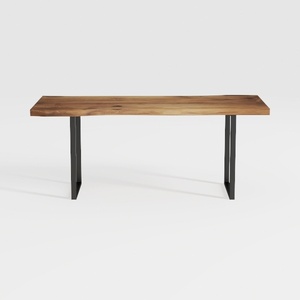
Modern Live Edge Solid Wood Metal Console Table 3D Model


Bohemian Rattan Cane Solid Wood Drum Shape Side Table 3D Model

Modern Pink Velvet Gold Metal Bow Back Dining Chair 3D Model
Homestyler offers an easy-to-use online home design tool with stunning 3D renderings, inspiring design projects, and helpful DIY video tutorials. It’s perfect for anyone looking to create and visualize beautiful interior spaces effortlessly. Give your home a fresh look today!
Projete agora para LIVRE