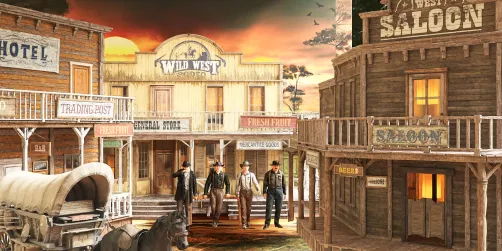
Cinematic-Themed Interior Design
Cinematic-themed interior design transforms everyday spaces into immersive environments inspired by iconic film settings—ranging from romantic Parisian bistros and whimsical chocolate factories to high-energy superhero lairs and nostalgic 90s sitcom apartments. This design approach goes beyond aesthetics: it emphasizes narrative cohesion, emotional resonance, and spatial storytelling. Successful execution requires balancing cinematic authenticity with functional livability—ensuring the space feels both evocative and practical for daily use. Homestyler design tools empower designers to rapidly prototype mood-driven layouts, test lighting scenarios in real time, and iterate on color palettes aligned with filmic tone—all while maintaining strong indoor space planning fundamentals.
Design Challenges & Common Pitfalls
Cinematic interiors often suffer from over-theatricality—prioritizing visual drama at the expense of ergonomics, storage, or natural flow. Common issues include mismatched scale (e.g., oversized props crowding small rooms), inconsistent thematic layering (mixing incompatible genres like noir + sci-fi without narrative justification), poor lighting integration (relying solely on dramatic spotlights instead of layered ambient/task/accents), and neglecting user behavior—such as seating arrangements that look cinematic but hinder conversation. Effective indoor space planning must anchor fantasy elements in human-centered functionality.
🎬 Thematic Consistency Through Narrative Anchoring
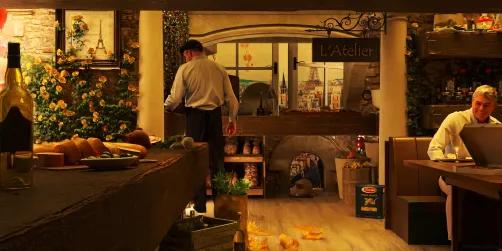
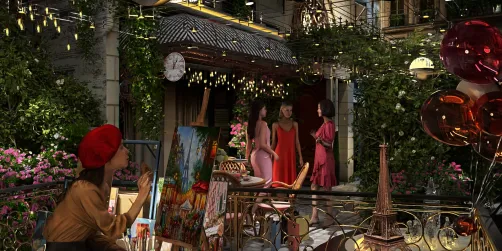
Every cinematic space should begin with a clear 'story beat'—a defining moment or emotion from the source film that informs material choices, layout rhythm, and focal points. For example, a 'Ratatouille in Paris' café prioritizes warmth, tactile textures (terracotta, linen, aged brass), and sightlines toward a 'kitchen window' feature wall—not just decorative Eiffel motifs. Avoid surface-level iconography; instead, translate narrative essence into spatial language: intimacy via alcoves, adventure via dynamic circulation paths, nostalgia via curated vintage details.

Home Design Lover’s 'Ratatouille in Paris' exemplifies narrative anchoring: the outdoor dining setting isn’t merely French—it embodies culinary joy and communal warmth. Using Homestyler AI design tools, they layered hand-painted canvases, terracotta-toned textiles, and strategically placed potted herbs to reinforce the film’s sensory storytelling. The layout guides movement like a scene transition—open yet intimate—proving how indoor space planning supports emotional pacing, not just furniture placement.
Design Your Paris Scene💡 Strategic Lighting as Emotional Direction
Lighting is the director of cinematic interiors—shaping mood, guiding attention, and reinforcing genre. Use layered systems: ambient (warm, diffused ceiling light for romance), task (focused under-cabinet or reading lamps for realism), and accent (directional spots or LED strips to highlight key props or architectural features). Avoid flat, uniform illumination; instead, embrace contrast ratios and intentional shadows—like the soft glow behind a 'Wonka' candy display or the cool blue wash simulating spaceship control panels. Homestyler’s real-time rendering allows instant preview of lighting interplay across materials and times of day.

Karine Lucena’s 'wonka 🍫' design masterfully deploys lighting as narrative device: warm golden uplighting on candy-colored walls evokes wonder, while recessed floor LEDs mimic magical pathways. She leveraged Homestyler design techniques to simulate dusk-to-dawn transitions—testing how spotlight placement affects perceived depth and playfulness. This demonstrates how indoor space planning integrates light physics with psychological impact, turning illumination into an active storytelling tool.
Start Your Wonka Dream🌿 Functional Authenticity Over Decorative Literalism
True cinematic design avoids ‘theme park’ replication—instead, it distills core values (e.g., Pocahontas’ harmony with nature, Forrest Gump’s simplicity) into functional solutions. Prioritize adaptable furniture, concealed storage disguised as set pieces (e.g., ottomans shaped like storybooks), and biophilic elements rooted in real-world wellness—not just plastic vines. Materials should age gracefully and serve dual roles: a 'Spider-Man' loft uses industrial steel shelving that reads as both web-inspired structure and durable storage—honoring character ethos without sacrificing utility.

Sabrina 🎨🧚🏻♀️’s 'Disney classic: Pocahontas' translates environmental reverence into liveable form: reclaimed wood flooring, woven textile wall hangings, and large planters integrated into built-in benches—all modeled and tested in Homestyler for spatial efficiency. Her indoor space planning ensures every element serves ecology *and* ergonomics: no decorative-only objects. This reflects advanced Homestyler design skills—using AI to validate structural feasibility while preserving poetic intent.
Create Pocahontas MagicFAQ
Q: How do I avoid making a cinematic space feel like a costume set rather than a home?
A: Anchor your theme in lived-in details—not just props, but wear patterns, layered textures, and purposeful clutter. Use Homestyler design tools to simulate daily routines: test if a 'Pirates of the Caribbean' bar fits two people comfortably, or if 'Emily in Paris' balcony seating allows coffee service. Indoor space planning starts with human behavior, not movie stills.
Q: Can I blend multiple film themes (e.g., 'Despicable Me' + 'Tombstone') in one room?
A: Yes—if unified by a stronger narrative thread, like 'small-town heroism' or 'unlikely alliances.' Use Homestyler’s style-matching AI to harmonize color palettes and material families across themes. Avoid visual competition; instead, let one theme dominate spatial layout while others appear subtly in accessories or lighting tones.
Q: What’s the most overlooked technical aspect when designing cinematic interiors?
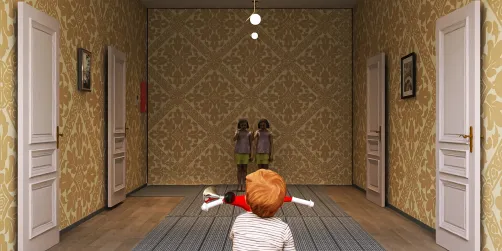
A: Acoustics and thermal comfort—film sets prioritize visuals, but homes need sound absorption (e.g., textured walls in a 'Shining'-inspired lounge) and climate-responsive materials (e.g., breathable linens in 'Pocahontas' spaces). Always verify these in Homestyler’s environmental simulation mode before finalizing indoor space planning.
What began as an Autodesk innovation has evolved into a design platform used by more than 18 million people around the globe. Homestyler combines powerful rendering, an intuitive editor, and a vast furniture library to help you turn inspiration into photorealistic designs — whether you're redesigning a single room or planning an entire home.

Minimalist Solid Wood Fabric Armchair and Round Side Table Set 3D Model

Minimalist Tan Leather L-Shaped Sectional Sofa 3D Model

Minimalist Solid Oak Coffee Table Rounded Edge 3D Model
Homestyler is an easy-to-use online home design platform offering powerful 3D rendering, a vast collection of design projects, and helpful DIY video tutorials. It’s perfect for turning your interior decoration ideas into stunning, realistic visualizations—all from your browser.
Projete agora para LIVRE