


Direct Answer
For most 800 sq ft residences, a split AC system tends to be the superior choice since it cools larger spaces more uniformly and operates with less noise. However, a window AC remains a viable option for smaller homes with fewer rooms, especially when ease of installation and initial cost are major considerations.
Ultimately, the ideal selection depends more on factors such as the home's layout, insulation quality, number of rooms, and budget rather than just its square footage.
Quick Takeaways
Introduction
When evaluating split AC versus window AC for an 800 sq ft house, many homeowners focus primarily on price or brand reputation. From my over ten years of experience in interior space planning, I've found that cooling effectiveness is significantly affected by spatial design.
Two homes of identical square footage can require vastly different air conditioning solutions depending on ceiling height, room division, and ventilation paths. I've witnessed compact apartments being effectively cooled by a single window unit, while comparable-sized homes struggled even with oversized AC units due to inefficient layouts.
Prior to selecting an air conditioning system, envisioning airflow and furniture arrangements is beneficial. Many use straightforward planning tools to chart airflow and room separation before installation, including platforms like Homestyler that assist in visualizing room layouts for optimal appliance placement.
This article explains the key distinctions between split and window AC systems for an 800 sq ft home, covering aspects like cooling capacity, energy consumption, installation considerations, and common design mistakes.
save pin
Cooling Needs for an 800 Sq Ft Residence
Key Insight: Most homes around 800 sq ft require cooling capacities ranging from 1.5 to 2.5 tons, influenced by the building's layout and insulation.
Square footage alone doesn't dictate cooling demand. In my design assessments, I prioritize three primary factors before suggesting an AC system.
For example:
According to recommendations from the U.S. Department of Energy, cooling requirements depend heavily on structural design and insulation, not just size.
This explains why an open-plan 800 sq ft studio might perform well with a single 18,000 BTU unit, whereas a three-room configuration may need two separate indoor units.
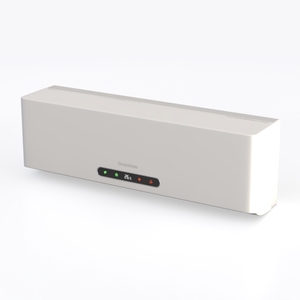
Functionality of Split AC Systems
Key Insight: Split AC units separate the compressor from the indoor component, enhancing efficiency and minimizing indoor noise levels.
A split AC primarily consists of two parts:
The indoor section distributes cool air while the compressor is mounted outside, expelling heat from the interior.
Advantages of split AC systems include:
In homes around 800 sq ft, installers commonly place either:
Modern inverter-based split units adjust compressor speed dynamically, reducing power consumption over time.
Functionality of Window AC Units
Key Insight: Window AC units consolidate all their components into a single casing, which makes them simpler but less versatile.
Window air conditioners are installed through a window or wall opening, combining the evaporator, compressor, and condenser in one compact enclosure.
Main benefits include straightforward installation and cost-effectiveness.
However, these units have inherent limitations:
Based on experience, window ACs perform best in:
save pin
Comparative Energy Efficiency
Key Insight: Split AC systems generally provide higher energy efficiency for cooling an entire 800 sq ft space.
Efficiency depends largely on the system's SEER rating and compressor technology.
A typical comparison shows:
Higher SEER values correlate with reduced electricity consumption for equal cooling output.
Another critical aspect is inverter technology. Most contemporary split ACs employ inverter compressors that modulate power smoothly instead of cycling fully on/off.
This technology decreases:
According to Energy Star, inverter-based models notably cut electricity use compared to older fixed-speed units.
Installation and Maintenance Differences
Key Insight: Window ACs offer quicker installation, whereas split ACs provide more seamless long-term integration within a home’s design.
The complexity of installation often surprises new homeowners.
Installing a window AC typically includes:
In contrast, split AC installation requires:
From a design perspective, planning the installation spot early helps prevent inconvenient piping routes. Many homeowners use platforms like Homestyler to visualize equipment placement alongside furniture and airflow before installation.
Maintenance comparison includes:
save pin
Cost Analysis for Compact Homes
Key Insight: Window AC units have lower upfront costs, but split AC systems often lead to reduced expenses over several years.
Typical cost breakdown for an 800 sq ft dwelling is:
Installation expenses include:
Nevertheless, hidden long-term costs should not be overlooked.
Window units often:
In numerous projects I’ve studied, homeowners upgrade to split ACs after realizing the higher electricity bills from multiple window units.
Choosing the Best Option for Various House Layouts
Key Insight: The home's layout is the decisive factor when choosing between split and window AC for an 800 sq ft residence.
Here is a pragmatic approach I recommend to clients.
Window AC is most suitable for:
Split AC is preferable for:
If unsure about air movement within your home, previewing cooling zones can help. Many homeowners simulate furniture layouts and airflow-friendly room setups using tools such as Homestyler to aid in the decision.
Answer Box
For the majority of 800 sq ft houses, split AC systems deliver superior cooling coverage, enhanced energy efficiency, and quieter performance. Window AC units are still practical for compact floor plans or situations prioritizing installation simplicity and lower initial costs.
Final Summary
FAQ
Is split AC better than window AC for an 800 sq ft house?
Generally yes. Split ACs offer more even cooling distribution and operate more efficiently in homes with multiple rooms.
How many AC units are recommended for an 800 sq ft residence?
Typically, one 1.5 to 2 ton unit suffices for open layouts, or two smaller units are used for homes with separated bedrooms.
Which air conditioner type is less expensive, window or split?
Window AC units have lower upfront costs, but split systems usually reduce long-term electricity expenditures.
Can a window AC cool an entire 800 sq ft house?
In an open-plan design, yes; however, it might struggle with multiple enclosed rooms.
What size AC is recommended for an 800 sq ft house?
Most homes need about 18,000 to 24,000 BTUs of cooling capacity depending on insulation and design.
Is window AC more energy-efficient?
No, modern split ACs typically have higher efficiency and incorporate inverter technology.
What is the optimal AC type for 800 sq ft home designs?
Split AC systems are usually best for 800 sq ft homes with multiple rooms.
Does ceiling height influence AC selection?
Yes, taller ceilings increase cooling demands and might require higher capacity units.
References
U.S. Department of Energy – Air Conditioning Recommendations
ENERGY STAR Cooling Efficiency Standards


Homestyler offers an easy-to-use online design tool with stunning 3D renderings, inspiring design projects, and helpful DIY video tutorials. It’s the ideal platform to creatively plan and visualize your home decor ideas effortlessly.
Projete agora para LIVRE
































