


Direct Answer
The most suitable fabrics and materials for dining room sofas are those that offer stain resistance, durability, and ease of cleaning. Commonly preferred options include performance fabrics, treated polyester blends, microfiber, and leather, as these materials effectively resist spills and endure frequent use in dining settings.
Unlike sofas in living rooms, those in dining areas must withstand food spills, constant cleaning, and regular movement around the table. Selecting the appropriate upholstery significantly prolongs the furniture's longevity.
Quick Takeaways
Introduction
After designing numerous open-concept homes and cozy dining areas, I've observed a trend: many individuals choose dining room sofas similarly to living room ones. Their primary focus is typically on color and comfort, with durability addressed afterward.
This approach often leads to problems.
Dining sofas encounter unique challenges like wine stains, tomato sauce splashes, children climbing on and off, and frequent bumps from chairs. Thus, selecting the best material for dining seating goes beyond looks—it's about how the fabric holds up to daily wear and tear.
When assisting clients in layout planning through tools such as Homestyler, which offers visual room planning for dining and seating arrangements, discussions usually pivot quickly to material choices. Clients realize that improper upholstery might transform an elegant space into a high-maintenance one.
This guide reviews the materials that consistently perform well in actual dining environments, sheds light on durability aspects often overlooked, and recommends maintenance routines that can greatly extend a sofa's service life.
save pin
Why Dining Sofas Need Different Materials Than Living Room Sofas
Key Insight: Upholstery for dining sofas must prioritize stain resistance and durability against abrasion rather than just softness.
In living rooms, upholstery mainly deals with human contact, but in dining areas, it faces food, drinks, and frequent motion around the table.
I've replaced many visually appealing yet unsuitable dining sofas because their materials weren't designed for such demands.
Key performance differences:
Upholstery fabrics for heavy residential use generally require abrasion resistance of 15,000 to 25,000 double rubs. For dining seating, exceeding this standard is advisable.
This explains why many professional designers recommend commercial-grade textiles for dining sofas, even in home settings.
Spill Resistant Fabrics for Dining Areas
Key Insight: Performance fabrics and microfiber offer an excellent balance of stain resistance, comfort, and durability for dining spaces.
Over the last ten years, performance fabrics have revolutionized design choices for dining seating. These materials cause liquids to bead on the surface rather than soak in immediately.
Top spill-resistant upholstery choices include:
In a familial project based in Pasadena, we opted for a textured performance fabric on a banquette sofa. Despite daily use by three children over two years, the upholstery retained a nearly new appearance.
A common pitfall is selecting linen or cotton blends without stain-resistant treatment. While they look appealing initially, they quickly absorb liquids like wine and oils.
save pin
Leather vs Fabric for Dining Seating
Key Insight: Although leather is simpler to wipe clean, premium performance fabrics typically endure daily use more effectively.
Clients frequently ask which upholstery is best for durability in dining furniture.
Advantages of leather:
Drawbacks of leather:
Advantages of fabric:
In compact homes where dining and kitchen areas merge visually, I often design seating arrangements alongside cabinetry using tools like Homestyler. Fabric sofas tend to blend more naturally in such spaces compared to leather.
Nonetheless, households hosting frequent dinners or with young children might find leather easier to maintain.
Easy Clean Upholstery Options for Families
Key Insight: Families should focus on removable covers or fabrics specially engineered to repel stains.
Family dining sofas endure different stresses due to active children.
Recommended materials for family-friendly dining areas include:
A frequent mistake is selecting light-colored upholstery without verifying if the fabric is treated or has removable covers. Color alone does not guarantee stain resistance; treatment and fiber structure are crucial.
Some of the most durable dining sofas I've installed used light beige performance fabrics.
save pin
Durability Factors for High-Use Dining Furniture
Key Insight: The density of the fabric weave and abrasion rating are more significant indicators of durability than the material type alone.
When assessing upholstery for high-traffic dining settings, I delve deeper than labels.
Three key durability metrics used by professionals are:
Another factor often neglected is the room layout. In tight spaces where seating and traffic flow overlap, sofas endure more wear.
Using 3D floor planning tools like Homestyler to visualize dining furniture placement can identify high-traffic zones and help select appropriate upholstery.
Answer Box
The most advisable materials for dining room sofas are performance fabrics, microfiber, and leather, all known for stain resistance, cleaning durability, and maintaining appearance under daily use.
Maintenance Tips to Extend Sofa Lifespan
Key Insight: Maintenance routines are as critical as material selection.
Even top-quality fabrics degrade faster without proper care.
Effective maintenance habits include:
An interesting finding from years of installations is that sofas that receive prompt spill cleanup typically outlast those made from seemingly tougher fabrics but with poor upkeep.
Final Summary
FAQ
What is the best fabric for a dining room sofa?
Performance fabrics, microfiber, and treated polyester blends top the list due to their stain resistance and ability to endure frequent cleaning.
Is leather suitable for dining room seating?
Yes, leather is easy to clean and resists spills, making it a practical choice, although it may acquire scratches over time.
Are light-colored dining sofas a poor choice?
Not necessarily. Light hues work well when combined with stain-resistant treatments or removable covers.
Which upholstery material best resists food stains?
Performance fabrics, microfiber, and Crypton-treated textiles generally provide the strongest defense against stains.
How durable should dining sofa fabric be?
For long-lasting use, aim for fabrics rated with at least 20,000 double rubs in abrasion tests.
Is microfiber suitable for dining seating?
Absolutely. Microfiber's tight weave makes it resilient and simple to clean, ideal for busy dining rooms.
What are family-friendly materials for dining sofas?
Materials like microfiber, performance polyester, slipcover fabrics, and leather suit family dining spaces well.
How should one clean spills on dining upholstery?
Immediate blotting with a clean cloth, mild upholstery cleaner usage, and avoiding rubbing stains deeper are best practices.
References
Upholstery performance standards from the American Home Furnishings Alliance.
Textile testing criteria from the Association for Contract Textiles.

Minimalist Boucle Fabric Loveseat Sofa with Throw Pillows 3D Model
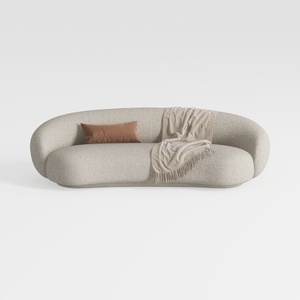

Minimalist Boucle Fabric Curved Sofa With Throw Pillow And Blanket 3D Model
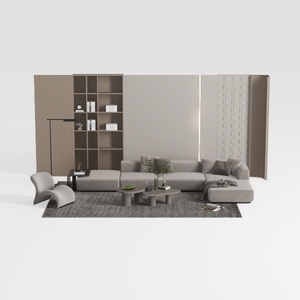
Minimalist Modern Fabric Sectional Sofa Living Room Set 3D Model
Homestyler offers an easy-to-use online design tool, stunning 3D renderings, and a vast collection of interior projects. With helpful DIY video tutorials, it’s perfect for bringing your home design ideas to life quickly and beautifully. Give your space a fresh new look today!
Projete agora para LIVRE
































