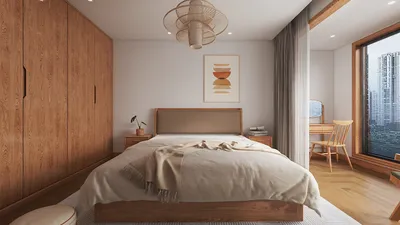


Direct Answer
Selecting the appropriate finish board for interior design projects depends on three main considerations: the location of use, expected wear and tear, and the aesthetic of the space. Professionals often assess factors such as durability, moisture resistance, cost-effectiveness, and finish quality before choosing from options like MDF panels, laminated boards, veneer boards, or PVC finish boards.
Making an informed choice helps avoid costly redesigns and ensures the finish board maintains its performance over time in real living conditions.
Quick Takeaways
Introduction
Choosing the right finish board in interior design might seem straightforward until installation reveals problems. Common issues include cabinets warping in humid kitchens, wall panels fading under sunlight, and spaces losing their intended look due to unsuitable finish materials.
With more than ten years of experience in residential interiors, I've noticed that most faults stem not from poor design concepts but from inappropriate material selection for actual living environments.
Before selecting boards, I always start by mapping the room layout and identifying wall surfaces. Creating a detailed 3D floor plan, similar to processes available in Homestyler, clarifies which surfaces demand durability, which serve decorative purposes, and where budgets should be allocated.
This article outlines a practical approach to choosing finish boards for interiors, covering material types, compatibility with design styles, hidden costs, and common mistakes made by homeowners or junior designers.
Understanding Different Types of Finish Boards
Key Insight: Each finish board type excels in specific settings; choosing based solely on appearance is a frequent design pitfall.
Finish boards typically used indoors fall into several categories. Though they might look alike once installed, their core structures greatly influence their durability and longevity.
Popular Finish Board Options
In many homes, laminated MDF boards dominate cabinet and wall panel use due to their balance of affordability and finish quality.
However, plain MDF boards are rarely advisable in moist areas as even minor humidity exposure can cause swelling, a detail often overlooked in material guides.
Assessing Interior Design Needs
Key Insight: The placement of the finish board outweighs the significance of brand or surface pattern.
Prior to comparing materials, I always analyze the environmental conditions of the installation site.
Design Requirement Checklist
For instance:
This rationale explains why numerous designers prototype floor plans using digital tools like Homestyler. Such interactive room layout visualizations help estimate surface coverage and identify zones where premium finishes truly matter.
Cost Versus Quality Considerations
Key Insight: The least expensive finish board may turn out to be the costliest when factoring in installation and replacement expenses.
Material price represents merely a fraction of overall costs. Labor fees, durability, and upkeep frequently surpass the initial price difference.
Typical Trade-offs Evaluated by Designers
For example, during a renovation in Los Angeles, a client selected a low-cost particleboard for kitchen cabinetry. Within two years, exposure to steam caused the panel edges to swell.
The replacement expenses were nearly quadruple the initial material savings.
Harmonizing Finish Boards With Interior Styles
Key Insight: Board finishes should complement the design ethos rather than compete against it.
Interiors often dictate which finishes feel natural in a room.
Style Matching Examples
An often overlooked aspect is how finish boards interact with lighting—glossy finishes amplify artificial lighting, whereas matte ones soften reflections.
When previewing materials, I utilize photorealistic interior rendering workflows, such as those enabled by Homestyler, to observe how surfaces respond to various light conditions.
Environmental and Durability Considerations
Key Insight: Most durability problems arise from environmental mismatches rather than manufacturing defects.
Three main environmental factors significantly influence finish board lifespan.
Key Durability Risks
Common Recommendations
According to the American Wood Council, moisture exposure is the leading cause of deterioration in interior wood panels.
Answer Box
The optimal finish board for interior design depends on environmental conditions, desired durability, and the design style. Laminated boards and plywood veneer panels generally offer the best compromise between cost, aesthetic appeal, and longevity.
Checklist for Selecting Finish Boards
Key Insight: Employing a straightforward checklist can prevent most errors during material selection.
Designer Selection Checklist
Utilizing this checklist often narrows down numerous options to two or three practical choices.
Common Errors When Selecting Finish Boards
Key Insight: Issues with finish boards tend to surface months after installation when rectification costs are high.
Frequent Mistakes Observed in Projects
An unseen expense is edge treatment; many budget options require extensive sealing or trimming, prolonging installation times.
Final Summary
FAQ
What is the best finish board for interior design projects?
For most residential applications, laminated boards or plywood veneer panels strike the ideal balance of longevity, appearance, and cost.
How should I select a finish board for walls?
Assess moisture levels, wall prominence, lighting, and stylistic goals. Decorative walls focus more on visuals, whereas function-driven walls prioritize durability.
Is MDF suitable as a finish board indoors?
MDF is appropriate for painted panels and cabinets in dry interiors but should be avoided in damp places unless moisture-resistant grades are used.
Which finish board is recommended for kitchens?
Kitchens often benefit from laminated or acrylic finishes due to their resistance to stains and cleaning ease.
Are finish boards superior to plywood?
Finish boards typically provide decorative surfaces, whereas plywood serves structural purposes. Many interior panels combine plywood cores with decorative finishes.
Which finish board has the greatest longevity?
Plywood veneer and premium laminated boards generally offer the longest lifespan when properly installed.
Can finish boards be used in bathrooms?
Yes, but only moisture-resistant materials like PVC boards or specially treated water-resistant panels are suitable.
What common mistake do people make when selecting finish boards?
Relying solely on appearance without accounting for humidity, sunlight, and wear conditions is the most frequent error.
References
American Wood Council – Guidelines on durability of interior wood products
National Kitchen and Bath Association – Recommendations for cabinet materials
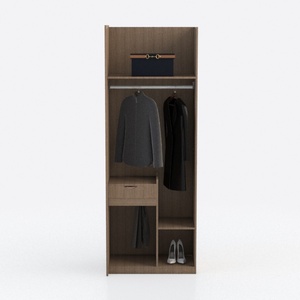
Modern Solid Wood Open Wardrobe Closet With Storage Drawers 3D Model
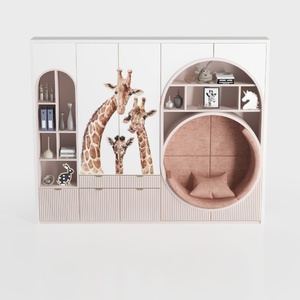

Modern Pink White Giraffe Print Multifunctional Cabinet With Reading Nook 3D Model

Homestyler offers an easy-to-use online design tool, amazing 3D renderings, and plenty of inspiring interior projects. With helpful DIY video tutorials, it’s perfect for anyone wanting to create and visualize their dream home effortlessly.
Projete agora para LIVRE
































