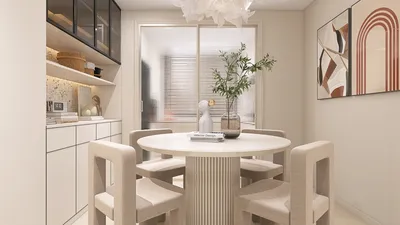


I once advised a client to opt for a high-gloss white finish for their kitchen, aiming for brightness — only for them to humorously point out that their ceiling now showcased their breakfast in vivid detail. This experience highlighted the immense influence of ceiling color choices: not only can they enhance light, but they can also mask flaws or expose every cooking splatter. In particular, small kitchens benefit significantly from thoughtful ceiling selections, as the correct paint can create an illusion of height and cleanliness without the need for structural modifications.
1. Satin or Eggshell for a Harmonious Sheen
I typically favor satin or eggshell finishes for kitchen ceilings when seeking a blend of washability and a soft appearance. These finishes possess better moisture resistance compared to flat paints, allowing them to endure occasional steam and grease splashes while effectively concealing minor textural imperfections. However, one downside is their tendency to accentuate flaws more than flat finishes, which means some preparatory measures like light sanding or skim-coating might be necessary.
save pin
2. Flat/Matt for Concealing Flaws
When dealing with imperfect ceiling surfaces, flat (matte) paint is my preferred choice — it absorbs light effectively and adeptly camouflages uneven areas. Particularly in older homes characterized by hairline cracks or rough plaster, flat paint establishes a smooth, tranquil expanse above the kitchen. The compromise, however, is that flat paint is not very washable, so for busier kitchens, I suggest using a flat formula enhanced with durability or a semi-washable alternative.
save pin
3. Stain-Blocking Paint for Kitchens Vulnerable to Smoke
For clients who often cook or have inadequate ventilation, stain-blocking primer-paint combinations are invaluable. These products prevent nicotine, grease, or smoke stains from discoloring the ceiling over time, sparing you from frequent repainting. Although they can be a bit more expensive, I’ve observed them preserving a clean appearance for years in heavily used family kitchens.
save pin
4. Mold- and Mildew-Resistant Paint
In small kitchens with restricted airflow, applying mold-resistant ceiling paint represents a wise investment. I recommend using paints infused with antimicrobial additives, especially for kitchens situated above basements or in humid environments; these help deter unsightly and hazardous growth. However, optimal ventilation remains the best long-term solution when paired with these paints.
save pin
5. High-Reflective Ceiling Paint for Enhanced Brightness
When clients desire maximum brightness without changing light fixtures, high-reflective or ceiling-specific bright white paints become my go-to options. They significantly bounce light, making a compact kitchen appear more open. Just be cautious of excessive sheen — if the surface has flaws, opt for a reflective product with low sheen or prepare the ceiling meticulously beforehand.
save pin
Essential Tips I Apply on Every Project
Always prime a stained or repaired ceiling before applying the topcoat — this will save you from future issues. In small kitchens, I suggest a warmer white to create a more inviting atmosphere, and I test a 2x2-foot patch during various times of the day. If you’re looking for a quick refresh, go for a washable satin finish and prioritize improving ventilation as well. Additionally, if you want to explore different layouts or visualize the impact of colors, I occasionally utilize tools like 3D floor planners, including platforms like Homestyler, to preview the outcomes.
save pin
FAQ
Q1: What finish is ideal for a kitchen ceiling? A1: Satin or eggshell provides a balance of washability and aesthetics; flat paint conceals imperfections but is less scrubbable.
Q2: Should I apply a primer before painting a kitchen ceiling? A2: Absolutely — using a stain-blocking primer is crucial for stained or freshly repaired ceilings to avoid bleed-through and ensure even coverage.
Q3: Is mold-resistant paint essential? A3: It is advisable in humid or poorly ventilated kitchens; when paired with ventilation, it significantly reduces the likelihood of mold growth.
Q4: Can I use standard wall paint on the ceiling? A4: While it is possible, ceiling-specific formulations are tailored for application and typically offer higher reflectivity or better coverage.
Q5: How frequently should kitchen ceilings be repainted? A5: With quality paint and good ventilation, every 7–10 years is ideal; however, high-traffic kitchens may require touch-ups sooner.
Q6: Will a glossy ceiling make my small kitchen seem larger? A6: Glossiness enhances reflectivity and may create an illusion of height, but it could also expose imperfections — it's best to use low-gloss reflective options if the surface isn’t flawless.
Q7: Where can I view kitchen design layouts that consider ceiling selections? A7: I often explore online design tools to visualize color and lighting impacts, such as Homestyler, prior to making final decisions.
Q8: Are there authoritative resources for managing kitchen moisture? A8: Yes — the EPA offers guidance on indoor air quality and moisture control, which can be accessed at their official site.
save pin
Looking to transform your home? Homestyler is your go-to online design platform! With its user-friendly design tool, stunning 3D renderings, and a treasure trove of DIY video tutorials, you can unleash your creativity and effortlessly bring your vision to life. Start designing today!
Projete agora para LIVRE
































