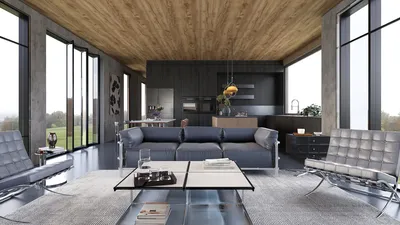


Direct Answer
Brass, chrome, and copper each contribute uniquely to mid-century modern interiors. Brass introduces warmth and vintage charm, chrome offers a sleek, contemporary contrast, and copper brings bold, warm highlights. Choosing the right metal depends on the room's lighting, adjacent wood tones, and desired visual contrast.
Quick Takeaways
Introduction
A common question among homeowners redesigning mid-century spaces is deceptively simple yet challenging: which metal finish truly complements the style best?
While many focus solely on color differences between brass, chrome, and copper in mid-century modern decor, experience shows that the real distinction lies in how each metal interacts with wood tones, lighting, and furniture shapes.
For example, a brass floor lamp next to walnut cabinetry sets a very different mood than chrome legs on a minimalist sofa. Even subtle details like cabinet handles or table bases can influence how authentic or updated the room feels.
Before selecting finishes, visualizing various combinations can be invaluable. Modern designers often experiment with metal accents through digital room planning platforms, including tools like Homestyler, allowing them to preview how different materials blend with wood flooring, upholstery, and lighting.
This guide explores the behaviors of brass, chrome, and copper in genuine mid-century interiors, covering aspects like durability, upkeep, and common design pitfalls rarely discussed.
Why Metal Finishes Matter in Mid-Century Modern Design
Key Insight: Metal finishes serve as structural and visual anchors in mid-century modern design, balancing wooden furnishings and geometric forms rather than merely acting as decorative elements.
Mid-century interiors prominently feature natural woods such as walnut, teak, and rosewood, known for their warm, dense appearance. Without metal accents to contrast, spaces can appear heavy or overly traditional.
Designers during the 1950s and 60s deliberately incorporated metals to add contrast and reflect light. The choice of metal often dictated whether the ambiance leaned toward classic warmth or minimalist modernism.
Typical roles of metals in mid-century interiors include:
Architectural historian Sarah Archer highlights that renowned mid-century figures like George Nelson and Arne Jacobsen employed polished metals deliberately to offset the visual weight of wood furniture.
Characteristics of Brass in Mid-Century Interiors
Key Insight: Brass is the most genuine and versatile metal finish for mid-century modern environments.
Original mid-century homes and vintage furniture collections prominently feature brass, commonly found in lighting fixtures, furniture feet, and cabinet hardware.
Reasons designers preferred brass include:
A frequent error in contemporary renovations is the overuse of ultra-polished, 'luxury' brass. Authentic mid-century brass often exhibited a satin-brushed or subtly aged finish.
Excessively glossy brass can shift the style toward glam instead of mid-century modern.
Chrome and Polished Metals in Modernist Furniture
Key Insight: Chrome imparts a cooler, modernist vibe and visually lightens spaces dominated by dark wood.
The rise of chrome in mid-century design is linked to modernist furniture movements influenced by Bauhaus and European modernism, exemplified by tubular steel chairs or shiny table bases.
Chrome excels particularly when used in rooms with:
Its reflective surface allows chrome to 'disappear' visually more than brass, making furniture appear less bulky and lighter.
Using photorealistic interior rendering tools—such as Homestyler—can aid in previewing chrome’s interaction with lighting before finalizing material choices, preventing overly cold atmospheres.
Copper Accents and Their Warm Visual Effect
Key Insight: Copper is best deployed as an accent rather than a dominant metal in mid-century interiors.
Though less common historically than brass, copper often appears in decorative lighting and art pieces within mid-century design.
Its vivid orange hue produces a warmer and more dramatic ambiance compared to brass.
Ideal applications for copper include:
However, a potential drawback of copper is its visual heaviness. In interiors already rich with warm woods, excessive copper may overwhelm the color scheme.
Durability and Maintenance Comparison
Key Insight: Chrome ranks as the most durable, low-maintenance option, whereas brass and copper demand more care to preserve their appearance.
While aesthetic preferences often drive metal choices, maintenance significantly influences long-term satisfaction.
Maintenance overview:
In high-traffic areas such as kitchens and bathrooms, chrome generally outperforms the alternatives in durability.
How Each Finish Harmonizes with Wood and Neutral Palettes
Key Insight: The impact of a metal finish hinges more on its interplay with wood tones than the metal itself.
Mid-century homes commonly utilize walnut and teak, with the relationship between metal and wood setting the room's overall tone.
Common pairings popular among designers involve:
Planning furniture layout alongside metal finishes within visual room planning environments—tools like Homestyler are recommended—enables one to observe metal interactions with surrounding elements prior to investing in costly pieces.
Answer Box
Brass delivers the most authentic mid-century appearance, chrome offers modern contrast, and copper functions best as a warm accent. The ideal selection depends on wood tones, lighting conditions, and desired visual warmth.
Final Summary
FAQ
Is brass or chrome more historically accurate for mid-century modern design?
Brass is typically the more authentic choice, with many original mid-century lighting fixtures and furniture showcasing brushed or satin brass finishes.
Can brass and chrome be mixed in mid-century interiors?
Yes, but balance is crucial. Generally, one metal serves as the primary finish while the other functions as a subtle accent.
Is copper suitable for mid-century modern interiors?
Absolutely, especially in lighting and decorative accents. However, extensive copper surfaces may overpower warm wood furniture.
Which metal finish pairs best with walnut furniture?
Brass complements walnut’s warm undertones, whereas chrome introduces a striking contemporary contrast.
Which metal finish is most durable?
Chrome is often the most durable and tarnish-resistant compared to brass and copper.
Do brass fixtures require upkeep?
Unlacquered brass naturally develops a patina over time; some owners polish regularly, while others favor the aged character.
What are the preferred metal finishes for mid-century lighting?
Brass and chrome remain the predominant finishes for mid-century modern lighting designs.
What metal finish suits mid-century furniture best?
When weighing brass against chrome for mid-century modern design, brass provides warmth and authenticity, while chrome emphasizes sleek modernism.
References
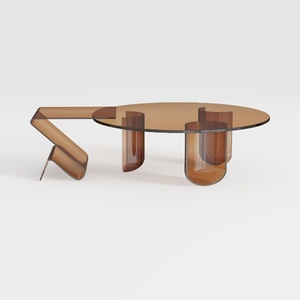
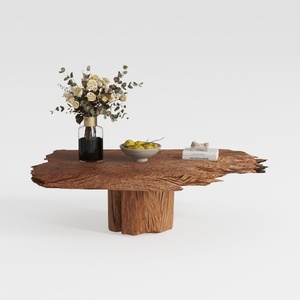

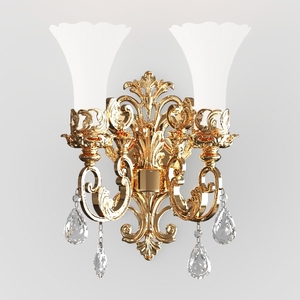
Homestyler offers an easy-to-use online design tool with stunning 3D renderings, a vast collection of interior projects, and helpful DIY video tutorials—perfect for turning your home design ideas into reality effortlessly.
Projete agora para LIVRE
































