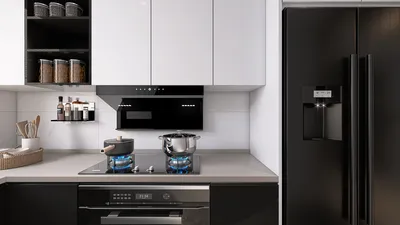


In a rush, I once painted a client’s basement because they were eager to host a party the following weekend — unfortunately, I neglected the necessary preparation, resulting in paint bubbling up within a month. This experience taught me that while selecting the right waterproof paint for concrete basement walls is crucial, effective surface preparation and adequate ventilation are equally important. To get a better sense of how a transformed lower level can look, take a look at this visual guide highlighting a basement renovation I found impressive.
1. Drylok Extreme (masonry waterproofer) — a dependable solution for light to moderate dampness.
I frequently use Drylok Extreme, particularly for walls exhibiting efflorescence or minor leakage. This product penetrates the surface to create a crystalline barrier, enhances the brightness of concrete, and is budget-friendly. However, comprehensive cleaning and multiple coats are essential for optimal performance.
Advantages: effective for cosmetic moisture issues, easy application, and readily available. Drawback: it cannot stop hydrostatic pressure; if there’s significant water pressure, external solutions or hiring a contractor is necessary.
save pin
2. KILZ Basement & Masonry Waterproofer — an economical choice suitable for DIY projects.
For rental properties or when a quick refresh is needed, I recommend KILZ. It’s user-friendly and works well on masonry surfaces, making it a great option for clients seeking a fast, cost-effective moisture-resistant solution.
Pros: affordable and mildew-resistant. Cons: shorter lifespan compared to epoxy options; surface preparation (cleaning and patching) is crucial to prevent peeling.
save pin
3. Two-part epoxy or latex-epoxy blends — optimal for durability and easy cleaning.
When a basement is frequently used as a living space, such as a workshop or playroom, I advocate for applying a two-part epoxy coat or an epoxy-acrylic blend to the lower walls and floors. This type of coating is much tougher, easier to maintain, and resists stains. However, it comes at a higher cost and requires careful mixing and application.
Pros: exceptional durability and washability. Challenges: costlier and more complex to apply; inadequate ventilation during the curing process can be problematic, so plan accordingly.
save pin
4. Breathable masonry coatings — ideal for preventing moisture entrapment.
Through experience, I’ve learned that using non-breathable paint can trap moisture and cause more significant issues than the original dampness. Breathable masonry coatings allow water vapor to escape while still preventing liquid water from entering — a perfect choice for older basements where the source of dampness is uncertain.
Advantages: safer for older or unsealed foundations; reduces the risk of blistering. The trade-off is that they may not achieve the same glossy finish or ease of scrubbing as epoxies do.
save pin
5. Bright, moisture-resistant paints for finished basements — merging style with practicality.
If you’re transforming the basement into a living area, such as a media room or kitchenette, opt for a moisture-resistant semi-gloss paint in lighter shades to open up the space. I often pair these paints with enhanced lighting and a dehumidifier to create the illusion of a larger, fresher basement. Check out how a thoughtfully designed lower level can accommodate a compact kitchen setup in a kitchen remodeling case review I conducted.
Pros: brightens and protects surfaces; camouflages minor flaws when combined with skim-coating. Cons: still requires ongoing moisture management, including venting and dehumidification.
save pin
Practical prep and application guidelines I consistently follow.
Thoroughly clean: utilize a wire brush, along with a muriatic or trisodium phosphate wash as necessary, then rinse and dry the area. Fill cracks with hydraulic cement or masonry filler, and prime if the chosen product requires it. Lightly sand between coats to improve adherence for certain systems.
Always test a small area and refer to the technical data sheet for coverage details and recoat intervals. Keep in mind that while paint can assist with minor seepage and penetration, it cannot resolve structural leaks or issues due to high hydrostatic pressure.
save pin
When painting isn’t the suitable solution.
From my experiences, the main red flag is visible leaks or moisture under pressure — indicated by persistent water pooling or immediate paint failure. In such circumstances, external waterproofing methods, improved site grading, or a French drain are the real remedies; paint serves merely as a short-to-mid-term cosmetic fix.
If you plan to completely finish the basement, it’s essential to combine paint application with humidity control measures and check for mold before enclosing walls — proactive actions can prevent future headaches and costs. For areas prone to higher moisture, such as laundry corners or bathrooms in basements, consider specialized approaches and layout examples, like the bathroom transformation I reviewed.
save pin
FAQ
Q1: What is the absolute top choice for waterproof paint for concrete basement walls? I don’t have a single best option — Drylok Extreme and KILZ are highly regarded for masonry work, while epoxy finishes excel in durability. The ideal choice ultimately depends on moisture levels, budget constraints, and how the room will be utilized.
Q2: Can waterproof paint prevent water from seeping through my foundation? It can significantly reduce water ingress for minor seepage, but will not address leaks from structural cracks or hydrostatic pressure. For these issues, exterior drainage or professional repairs are necessary.
Q3: How should I prepare concrete walls prior to painting? Clean thoroughly to eliminate efflorescence, oil, or mold, fill cracks with hydraulic cement, allow full drying, and prime if recommended. Proper preparation is the most crucial factor in achieving success.
Q4: Is it acceptable to use floor-grade epoxy paint on walls? Generally, yes — epoxy systems are both durable and moisture-resistant; however, verify manufacturer instructions regarding vertical applications and curing ventilation. Two-part systems often require careful mixing and sometimes professional installation.
Q5: How long can I expect waterproof paint to last on basement walls? With adequate preparation and absence of active leaks, most masonry waterproofers last 5-10 years; epoxy coatings can endure even longer when in protected environments. Regularly inspecting and addressing new moisture problems can help extend their lifespan.
Q6: Is it advisable to use breathable coatings? If there is potential for trapped moisture or the source is unknown, breathable coatings decrease the chances of blistering and hidden mold development. They are a safer option for older foundations or in cases where external repairs aren’t an option.
Q7: Should I use a dehumidifier after painting? I always recommend it for finished basements; controlling humidity helps prevent condensation, mold growth, and paint failure. The EPA emphasizes maintaining proper indoor humidity to alleviate indoor air issues (see: https://www.epa.gov).
Q8: When is it necessary to consult a professional? Contact a professional if you notice active leaks, large cracks, ongoing water pooling, or if you are planning a complete finish involving plumbing and electrical components. Professionals can identify hydrostatic issues and recommend structural or exterior waterproofing solutions over temporary paint fixes.
save pin
Discover the magic of home design with Homestyler! This user-friendly online platform features a powerful design tool, stunning 3D renderings, and a wealth of inspiring design projects and video tutorials to help you create your dream space effortlessly. Transform your home today!
Projete agora para LIVRE
































