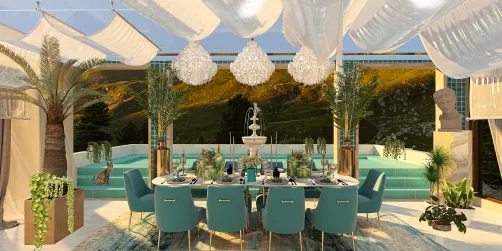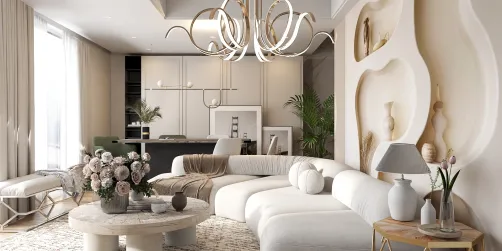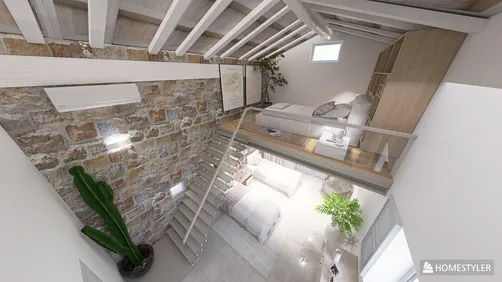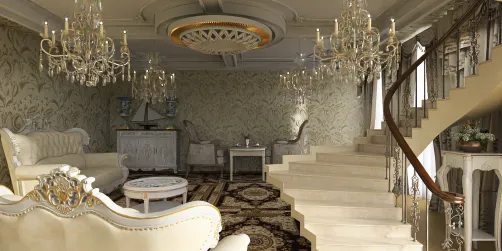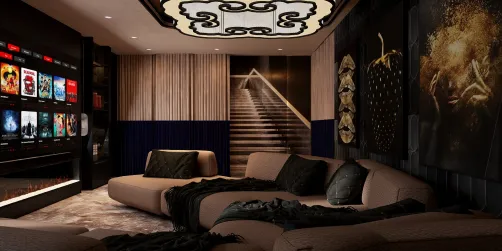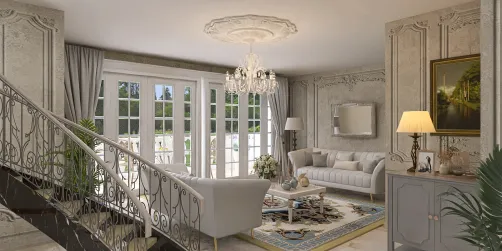
Selecting a spacious banquet hall in Delhi goes beyond simply counting guests; it involves understanding spatial ratios, managing guest flow, acoustic management, and establishing a reliable service framework. In my planning process, I prioritize circulation, aiming for at least 30-40% of the total area dedicated to areas for registration, mingling, and service access. Only then do I integrate the requires for stages, dining, and breakout spaces. According to research from Gensler, thoughtful circulation design greatly enhances guest experiences and wayfinding. Their studies consistently illustrate a connection between well-defined spaces and increased engagement metrics associated with human behavior (Gensler Research Institute). Coupling this approach with WELL v2 recommendations on acoustic and lighting comfort, which encourage balanced reverberation times and controlled noise levels to ease cognitive load, creates a dependable strategy for assessing large venues (WELL v2 Feature guidelines).
Proper lighting and ergonomics must be optimized for large gatherings. The Illuminating Engineering Society suggests a lighting level between 200-300 lux for dining areas, complemented by warmer color temperatures of 2700-3000K to enhance food presentation and maintain ambience, while minimizing glare near the stage (IES recommended practices). Regarding furniture ergonomics, research from Herman Miller indicates that a variety of postures fosters comfort; hence, for banquet settings, I recommend an 18-inch seat height paired with a 30-inch table height, ensuring ADA-compliant aisles of at least 36 inches for accessibility (Herman Miller research). These are not mere stylistic preferences; they're quantifiable factors influencing guest satisfaction and flow.
Assessing Large Banquet Halls in Delhi
When helping clients evaluate potential venues, I consider seven critical factors: capacity, ceiling height, column arrangement, acoustic strategy, lighting layers, service logistics, and access. A general guideline for capacity is 10-12 sq ft per guest for theatre-style seating, 12-14 sq ft for banquet rounds, and 14-18 sq ft for buffet-style events where movement is crucial. For most scenographic elements like LED walls and audio equipment, a minimum ceiling height of 16-22 feet is necessary to avoid visual obstructions. Columns can be managed effectively if their placement is predictable, allowing for careful planning of sightlines and screen placements.
To evaluate layout and table arrangements effectively, utilizing a digital interior design tool can simulate guest flow, stage layouts, and buffet routes even before finalizing bookings. I frequently utilize such tools to test various configurations for exit proximity and service routes, ensuring optimal camera sightlines for any live streaming requirements: room layout tool.
Location, Accessibility, and Parking Considerations
The specific micro-locations within Delhi are crucial. Venues in central areas and Aerocity tend to be ideal for guests from out of town due to existing hotel infrastructure and metro connectivity. Conversely, venues in West and North Delhi frequently provide larger spaces with easier access for decor setup. I prioritize halls with dual entry points—one for public access and another for service access—to ensure smooth separation. As for parking, aim for one slot per 2-3 guests during evening events, or establish valet arrangements; assess service truck pathways and dock heights to facilitate safe load-ins.
Managing Acoustics: Achieving Optimal Sound Quality
The design of large halls must address the risks of unclear speech and disruptive music resulting from overly reflective surfaces. My base approach includes a balanced mix of sound-absorbing wall panels installed behind the audience, diffusing elements along upper sidewalls, and dense carpeting in seating zones. Keeping subwoofers positioned symmetrically and preventing low-frequency sound from accumulating in stage corners is vital. If the venue can be divided, it's essential to ensure operable partitions have appropriate sound transmission class (STC) ratings and proper seals to avoid sound leakage during simultaneous events.
Advanced Lighting Design for Spacious Rooms
Lighting should be layered effectively: ambient lighting set between 200-300 lux, spotlighting florals and the stage at 500-800 lux, and using warm dimming for evening atmosphere transitions post-dinner. Employ DMX or DALI control systems to achieve seamless adjustments. Consistency in color temperature across camera zones is essential to prevent unnatural skin tones on video; a 3200K tungsten mimicking light works well for evening events. It's also advisable to avoid placing moving lights directly above dining areas, as glare can detract from the dining experience and hasten meal service.
Strategic Guest Flow and Layout Planning
When planning for 500-1200 guests, a minimum pre-function space width of 12-16 feet is necessary to mitigate congestion at the bar and registration areas. Positioning bar counters along perimeter walls, rather than in a central location, optimizes circulation. Buffets should be arranged perpendicular to the longest wall in pairs, cutting queue lengths in half. For round tables accommodating 10 guests, the 60-inch size is ideal, though I recommend incorporating some 72-inch tables for family settings. Maintain 60 inches between table edges on primary service aisles and 48 inches for secondary aisles. Utilizing an interior layout planner can help in assessing evacuation routes and identifying potential bottlenecks: interior layout planner.
Ceiling Height, Stage Requirements, and AV Considerations
For events featuring performances or panel discussions, a stage measuring 24-by-40 feet with a rise of 3-4 feet is suitable for an audience of 800. Surround any LED walls with black drapes for better absorption of spill and contrast preservation. Ensure rigging points are certified and uniformly distributed while confirming load capacities. It's advisable to request sound demonstrations in both an empty hall and during live events, as audio quality can vary dramatically once full occupancy affects acoustics.
Material Selection and Maintenance Planning
During Delhi's dusty months, having stone or porcelain surfaces in pre-function areas paired with durable mats at entrances helps maintain cleanliness. Inside the hall, implementing solution-dyed carpet tiles with acoustic underlays strikes a balance between comfort and sound management while allowing easy replacement after events. Pay attention to durable finishes, such as edge trims in buffet zones and corner guards along service paths; these minor yet effective updates can extend longevity and lower maintenance costs.
Back-of-House Planning and Food Service Dynamics
Inquire about the location of the kitchen concerning the ballroom; extended distances can lead to heat loss and service delays. For buffet-centric North Indian menus, I recommend having at least two independent service corridors to cater from both ends of the hall, avoiding cross traffic. Proximity of cold storage to the pre-function bar ensures swift beverage restocks. Facilities designated for back-of-house should have clear heights of at least 12 feet and provide direct paths to minimize setup delays during load-ins.
Sustainability and Enhancing Comfort Levels
Incorporate LED lighting with dim-to-warm features, energy-efficient chillers or variable refrigerant flow (VRF) systems, and low-VOC materials to improve indoor air quality. Implementing hands-free fixtures and adequate exhaust in restrooms is critical for larger gatherings. Venue offerings of rooftop solar capabilities or heat recovery in HVAC systems are added advantages. Position waste segregation stations conveniently near back-of-house access points to streamline processes and minimize contamination risks.
Critical Budgeting Factors
Costs in Delhi can escalate quickly due to overtime labor, unanticipated decor adjustments, and additional AV requirements. Secure the essential package inclusions for the hall, including chair types and numbers, linen quality, staging, standard lighting provisions, and the number of power outlets available. It's also vital to clarify if external vendors can be brought in without incurring hefty fees. Always arrange a technical site visit with the AV team and decorators within the hall prior to finalizing agreements.
Event Size Reference Guide
- For 400-600 guests: a venue of 7,000-9,000 sq ft, along with a pre-function area of 1,500-2,000 sq ft, and a minimum height clearance of 16-18 feet.
- For 600-900 guests: seek venues in the range of 9,000-12,000 sq ft, with a pre-function area of 2,000-3,000 sq ft, and a height clearance between 18-22 feet.
- For 900-1,400 guests: aim for spaces spanning 12,000-18,000+ sq ft, with a pre-function area of 3,000-5,000 sq ft, and a minimum height clearance exceeding 22 feet.
Final Checklist Before Booking
- Acquire a scaled layout indicating column positions and rigging points.
- Ensure adequate parking and service access, including regulations about late-night noise.
- Confirm the hall's power capabilities, backup systems, and load-in schedules.
- Assess acoustic performance and sightlines with a trial layout.
- Inspect restrooms, bridal areas, green rooms, and back-of-house cleanliness standards.
- Settle catering processes, buffet arrangements, and bar logistics in advance.
- Review fire exit placements, signage visibility, and crowd management strategies.
Frequently Asked Questions
Q1. What square footage should I allocate per guest for a large banquet in Delhi?
A1. For seated banquet arrangements, consider 12-14 sq ft per guest; in buffet-centric setups, increase this to 14-18 sq ft. Theater-style seating can use 10-12 sq ft. Additionally, allow for 30-40% more for pre-function and circulation areas.
Q2. What are the optimal lighting levels for large banquet events?
A2. Aim for an ambient lighting level of 200-300 lux in dining areas, maintaining a color temperature between 2700-3000K. Increase stage illumination to 500-800 lux, considering appropriate glare management. These guidelines align with IES recommended practices.
Q3. How can I minimize noise and echo in a sizable venue?
A3. Utilize a combination of carpets with dense underlay, wall absorbers behind the audience, and diffusers at the sidewalls. Make sure removable partitions have high STC ratings and effective seals if the venue can be split into multiple areas to prevent auditory crossover.
Q4. What is the ideal ceiling height for large LED displays and performances?
A4. A clear height of 16-22 feet is the minimum standard for scenic displays and effective line-array audio; additional height enhances rigging flexibility and provides clearer sightlines for larger crowds.
Q5. What arrangement for bars and buffets can optimize guest flow and minimize queues?
A5. Position bars along the perimeter walls to maintain central space. Buffets should be set up in pairs perpendicular to the longest wall; this approach effectively reduces queue lengths while keeping main thoroughfares unobstructed.
Q6. What aspects should I examine in the back-of-house (BOH) area?
A6. Check for dual service corridors, the distance of the hot kitchen from the main hall, proximity of cold storage facilities to the bar, and verify that paths for loading are straight and have sufficient clearance. These factors reduce wait times and help maintain order in the front-of-house.
Q7. Are there special considerations for accessibility in large venues?
A7. Ensure primary aisles remain at 60 inches and secondary at 48 inches where feasible, while providing clear paths of 36 inches for wheelchair access, ramps to stages, and proximity to accessible restrooms.
Q8. What key AV inspections should be conducted before finalizing the venue?
A8. Verify power supply capacity and distribution, rigging weight limits, acoustic treatments, and specifications for LED walls. Request an audio demonstration and assess camera sightlines from pivotal seating areas.
Q9. How can I visualize various layouts prior to making a commitment?
A9. Use digital room design visualizers to explore seating arrangements, evacuation pathways, and buffet configurations in both plan and 3D views, allowing you to adapt quickly based on vendor feedback.
Q10. What sustainability features are most impactful?
A10. Integrating LED lights with dim-to-warm features, opting for energy-efficient HVAC systems, selecting low-VOC finishes, and providing waste separation stations close to BOH areas are all vital. Venues featuring solar panels or heat recovery systems boost eco-friendliness.
Q11. What unforeseen costs should I be aware of while renting large halls?
A11. Costs can increase due to overtime workers, last-minute AV enhancements, fees for external vendor access, additional power requirements beyond the base setup, and extra cleanup services for prolonged events. Clarifying all included amenities in advance is essential.
Q12. How do locations in Delhi vary for hosting large events?
A12. Venues in Aerocity and the central parts of the city offer premium hotel and metro access, while locations in West and North Delhi often have larger spaces and simpler load-in processes. When selecting a venue, consider guest transit times and ease of service access.
Homestyler is the ideal platform for your home design needs. With its easy-to-use online design tool, stunning 3D renderings, an extensive collection of design projects, and informative DIY video tutorials, you can effortlessly create and visualize your dream space. Start designing today!