

Selecting the ideal captain’s chairs for your dining table hinges on three essential elements: the appropriate seat height relative to the table, sufficient arm clearance beneath the tabletop, and a design that complements your existing dining chairs aesthetically. When these factors come together, captain’s chairs feel thoughtfully chosen instead of appearing too large or awkward.
For most dining tables, captain’s chairs with seat heights between 17 and 19 inches and armrests that clear the table apron by at least one inch work best.
Captain’s chairs have grown in popularity as a dining room enhancement. After designing numerous residential dining areas, I've observed that many people first fall for their style, only to later realize the chairs may not actually suit their table.
Picking the right captain’s chairs isn’t merely about looks; it’s equally about proportionality, clearance, comfort, and ease of movement around the space. Chairs that appear attractive on display can quickly become inconvenient if armrests collide with the table or if the seat height feels off.
Before making purchases, I often encourage clients to visualize their dining layout, using tools such as Homestyler, which helps in seeing spatial relationships clearly. This practice helps avoid a frequent error—buying chairs that overwhelm the room’s scale.
This guide focuses on practical considerations critical for selecting captain’s chairs—including measurements, materials, comfort features, and trade-offs that typical buying guides frequently overlook.
A common mistake is neglecting to verify chair width and arm clearance, which directly affects whether the chairs fit appropriately around the table.
In many dining rooms I update, original chairs technically fit but feel cramped due to insufficient arm space. Captain’s chairs naturally occupy more space than conventional side chairs.
Key spacing recommendations include maintaining enough distance between chairs and ensuring at least 36 inches behind dining chairs for comfortable passage, as advised by the National Kitchen & Bath Association.
Matching the chair’s seat height to the dining table height is crucial for comfort. Generally, dining tables stand around 28 to 30 inches tall, and seating should be positioned approximately 10 to 12 inches below the table surface.
If chair arms are too tall, they can hit the underside of the table, preventing chairs from sliding in smoothly—often an issue with farmhouse tables featuring thick aprons.
Material choice heavily impacts durability and comfort beyond mere appearance. Upholstered captain’s chairs have risen in popularity as dining rooms are used for longer periods, including remote work and social gatherings, as noted in interior design trends.
Visual harmony is key when matching captain’s chairs to your dining area. They should anchor the table ends without overpowering the overall seating arrangement.
Design professionals often use contrast with consistency to create an appealing visual balance. Visualizing the entire room through tools like Homestyler before purchasing can prevent picking chairs that look disconnected from the space.
Comfort for extended meals relies on supportive chair backs, balanced seat depth, and gently angled armrests rather than simply soft cushions.
Features such as structural support significantly enhance how long guests can comfortably remain seated during family dinners or social events.
The best captain’s chairs combine correctly proportioned seat height, arm clearance under the table, and seat width that complements the table size. Overlooking these measurements often leads to chairs feeling awkward or too bulky.
Price variations commonly reflect construction quality and upholstery rather than visible style differences. Internal frame integrity often matters more than the chair’s exterior.
Many buyers underestimate scale compatibility; chairs that feel too large after delivery frequently get replaced within a year.
A straightforward checklist can help avoid common errors when purchasing captain’s chairs. Confirm key measurements and adequate clearance before committing.
If uncertain, mapping your dining table and chairs in a floor plan—such as with Homestyler—can reveal potential spacing problems early in the process.
Frequently Asked Questions: How many captain’s chairs suit a dining table? Typically, two captain’s chairs are placed at the table’s ends, complemented by side chairs along the sides.
What dimensions fit a standard dining table? Usually, captain’s chairs have a seat height between 17 and 19 inches and a width of about 24 inches.
Are upholstered captain’s chairs preferable? They offer greater comfort for lengthy meals but require occasional upkeep such as fabric cleaning.
Should captain’s chairs match other dining chairs? Not necessarily; designers often use contrasting chairs to establish visual hierarchy at table ends.
Can captain’s chairs slide under any dining table? No; checking arm height clearance relative to the table apron is essential before purchasing.
Are captain’s chairs suitable for compact dining rooms? Yes, provided narrower models with lighter visual profiles are chosen to avoid overcrowding.
Which materials ensure longevity? Solid hardwood frames with quality joinery can last decades if properly maintained.
How to select captain’s chairs based on dining table style? Align with the overall design ethos—be it modern, farmhouse, or traditional—while allowing captain’s chairs to be slightly more prominent.


KOUBOO Hanging Rattan Swing Chair with Seat Cushio
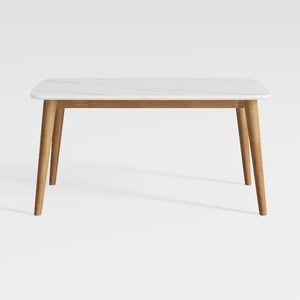
Modern Minimalist Faux Marble Solid Wood Dining Table 3D Model

Minimalist Solid Oak Wood Stacked Round Stool 3D Model
Homestyler is an easy-to-use online home design platform that lets you create stunning 3D interior designs. With a vast collection of design projects and helpful DIY video tutorials, it’s perfect for bringing your home decoration ideas to life effortlessly.
Projete agora para LIVRE
































