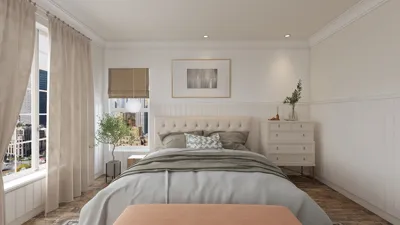


I once arrived at a property where the homeowner was adamant about painting the exterior in a striking neon teal, claiming it would look fashionable at dusk. We shared a laugh, and I successfully convinced them to opt for a more subdued color, which still brings joy to passersby. This amusing experience highlighted for me that selecting the right exterior paint finish is essential; sometimes, a delicate sheen is all you need to add charm. To help clients visualize different options, I frequently direct them to a gallery displaying before-and-after images that showcase finishes in actual settings.
1. Low-Sheen Satin: Timeless and Practical
For most siding applications, I suggest opting for low-sheen satin, as it provides a blend of durability and an inviting appearance. This finish effectively conceals minor surface flaws better than high-gloss versions, is simple to maintain, and imparts a touch of luxury to materials like wood or fiber cement, without overwhelming the neighborhood's aesthetic.
2. Matte (Flat) Finish: Modern, Subtle, High-Contrast Friendly
Matte finishes convey a contemporary feel and enhance the richness of colors, particularly deep shades such as navy blue and charcoal gray. However, keep in mind that while matte surfaces are appealing, they can be more challenging to clean, so consider the location and potential wear from children or landscaping in those areas.
3. Semi-Gloss for Trim and Doors: Accentuate Your Features
I prefer using semi-gloss paint on trim, window frames, and entry doors as it emphasizes architectural features and resists wear and tear from frequent use. When redesigning a compact facade, combining a matte finish on the main structure with semi-gloss on the trim can create crisp outlines without an overly dramatic effect. For space planning in tight environments, I sometimes recommend clients consider layouts for small homes to illustrate how color and sheen impact spatial perception.
4. Textured or Sand-Infused Finishes: Conceal Flaws and Add Character
When dealing with uneven surfaces or aiming for a rustic style, textured paints or those containing fine sand can be incredibly beneficial. They excel at hiding imperfections and adding visual interest, though they may complicate future touch-ups due to their unique surface.
5. Two-Tone Sheen Play: Depth Without New Colors
If you love your current color scheme but seek more visual interest, consider mixing different sheens. Keep the main walls in a matte or satin finish while applying a glossier finish to horizontal bands, eaves, or the ceiling of the porch. This budget-friendly technique worked wonders on a cottage renovation; guests were astonished and thought the house had received a complete makeover. When aligning exterior finishes with functional areas like an adjoining kitchen or mudroom, I often utilize relevant kitchen layouts to create a cohesive aesthetic from the outside in, inspired by tools like Homestyler.
FAQ
Q1: What exterior paint finish is best for durability?
I generally recommend satin or low-sheen finishes for a balance of durability and visual appeal, while semi-gloss is ideal for high-contact areas. These choices resist mildew effectively and are easier to maintain than flat paints.
Q2: Can I use matte finish on a home located in a humid climate?
Yes, you can use matte finishes, but be sure to select high-quality, mildew-resistant products and conduct proper surface preparation; flat finishes can hold moisture on surfaces that lack ventilation.
Q3: How does sheen influence color perception?
Higher sheen finishes reflect more light, making colors appear brighter and more vivid. In contrast, matte finishes absorb light and deepen the perceived color, so testing samples at various times of day is advisable.
Q4: Is it difficult to touch up a textured finish?
Textured finishes do a great job at concealing flaws, but matching both the texture and the color for touch-ups can be challenging. It’s wise to keep an additional can of paint for future touch-ups to ensure consistency in repairs.
Q5: How frequently should exterior paint be reapplied?
Depending on the quality of the finish, exposure to sunlight, and overall climate, most exteriors should be repainted every 7 to 15 years. Areas that are frequently contacted, such as trim, may require more regular attention.
Q6: Are low-VOC paints suitable for exterior use?
Absolutely—low-VOC exterior paints help reduce odors and their environmental impact while maintaining robust durability. Always check the product specifications for UV and mildew resistance.
Q7: What should I know about lead paint concerns for older homes?
If your home was built before 1978, be sure to follow EPA guidelines regarding lead paint safety. For comprehensive testing and remediation steps, see the EPA's lead information page.
Q8: Can altering the sheen make a small home appear larger?
Yes, using a slightly higher sheen on trim and eaves can help define edges and create an illusion of depth, while maintaining main walls in a softer sheen fosters a calm and spacious appearance.
Homestyler is an amazing online home design platform perfect for anyone looking to transform their space. With its user-friendly design tool, stunning 3D renderings, a variety of design projects, and helpful video tutorials, you can easily bring your creative ideas to life and design your dream home!
Projete agora para LIVRE
































