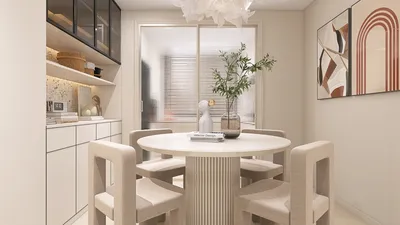


Over the last decade, I have chosen hundreds of standalone chairs for living rooms, focusing on designs that enhance a space by combining sculptural beauty with comfort and resilient materials. An ideal lounge chair should not only welcome you but also maintain its shape from various angles while standing up to everyday activities like reading, browsing, resting, and entertaining guests. The perfect design typically aligns seat height (generally between 16–18 inches for adults), supportive back angles, and an arm design that doesn't obstruct access to side tables.
Comfort is more than just a subjective feeling; it can be quantified. The WELL v2 standard highlights the importance of seated postural support and diverse seating options in living spaces to minimize musculoskeletal strain. In addition, the IES advises a layered approach to lighting for activities such as reading in lounge settings (300–500 lux with warm-white tones between 2700–3000K for home comforts). Steelcase's research indicates that postural shifts occur every 8–10 minutes in lounge environments, emphasizing the necessity for chairs that support micro-movements and various sitting styles. As for color psychology, Verywell Mind suggests that warm hues can energize while cool shades foster relaxation—key considerations when selecting upholstery that contributes to the overall ambiance of the room. For comprehensive insights on occupant well-being and lighting techniques, refer to WELL v2 and IES guidelines available at wellcertified.com and ies.org/standards.
The scale of furniture is crucial. Gensler's workplace studies consistently demonstrate a link between spatial comfort and perceived quality, a principle that applies to home settings as well: if a chair disrupts walking areas or sightlines, it will likely go unused. I recommend a clearance of 30–36 inches in primary circulation areas and at least 18 inches between the chair and coffee table. In compact spaces, opting for armless or low-arm designs helps maintain flow and visibility to windows or entertainment walls.
Guidelines for Selecting the Best Solo Living Room Chairs
• Proportion and visual impact: Aim for overall widths of 28–34 inches for typical living rooms. Smaller areas benefit from a width of 26–28 inches with a lighter base such as slim metal legs or open wooden frames. Larger rooms can accommodate widths of 36–40 inches with more commanding shapes.
• Seat height and depth: The seating height of 16–18 inches works for the majority of adults. Depths of 20–22 inches are suitable for reading, while 23–25 inches encourages lounging with back support. Shallow seats convey a formal vibe, whereas deeper seats lend a more relaxed feel.
• Back angle: A hip-to-torso angle of 100–110° allows for a relaxed posture without inducing slouching. Chairs featuring a gently reclined back with lumbar support help maintain comfort during lengthy discussions.
• Arm design: Slim and slightly flared arms provide versatility in sitting positions while keeping access to side tables convenient. If you prefer curling up, consider wider, lower arms that can double as a book rest.
• Cushioning: High-resilience foam encased in down or an alternative offers comfort without immediate flattening. For easy maintenance, a dual-density foam core with a fiber wrapping maintains sharp lines.
• Durability of fabric and finish: For households with children and pets, seek abrasion resistance of 30,000+ double rubs (Wyzenbeek) or 40,000+ Martindale, along with solution-dyed performance fabrics and removable covers wherever feasible. Leather ages gracefully; semi-aniline finishes provide a satisfactory blend of character and protection.
Popular Chair Types That Work Consistently Well
A curved tub or barrel chair on a rotating base acts as a social magnet, enabling easy movement between the TV, window views, and socializing without damaging floors. Look for a tight back with a plush seat and a width of 28–34 inches. Pair it with a compact side table to ensure the swivel function remains unobstructed.
Chairs with high backs, slender wings, and tailored seating bring an element of gravitas without adding bulk. Select legs that provide visual lift—such as tapered wood or metal sleds. These chairs are ideal for reading nooks paired with a task lamp delivering 300–500 lux for optimal illumination.
Chairs featuring exposed wood frames, sling backs, and lean cushions appear airy and architectural, making them excellent for compact spaces and apartments. Pair them with a textured rug and a low table for balance to prevent a spindly appearance.
A gentle recline, molded arms, and a generous headrest can transform a corner into an inviting destination. These chairs perform best when oriented towards a focal point such as a fireplace, artwork, or garden view.
Extremely space-efficient, these chairs can be used in pairs to flank a media console or window. Opt for firm seating and taller legs to ensure an upright feel, making them suitable for intimate conversations and versatile seating during gatherings.
Consider asymmetric arms, exaggerated curves, or artisan wood frames. A single dramatic chair can serve as a statement piece in a minimalist living room, with adjacent items kept simple to allow the chair to stand out.
Placement and Flow: Optimizing Your Room Layout
The performance of a chair is heavily influenced by its placement. Maintain a main pathway of at least 36 inches if the room serves as a transit space; 30 inches is acceptable for tighter layouts. Ensure 8–12 inches from the chair’s arm to a side table for ease of access, and 18 inches to the coffee table for comfortable legroom. For pre-visualizing different arrangements or experimenting with spacing, using a room layout tool can save time and help avoid scale miscalculations— Homestyler is a great option for simulating seating layouts before making a final decision.
Incorporating Color, Texture, and Mood
Utilize the single chair as a focal point for color. If your sofa is neutral, introduce a vibrant accent in shades like rust, forest green, or indigo, and replicate this color in artwork or throw pillows. To cultivate serene atmospheres, opt for cooler undertones—Verywell Mind highlights blues and greens as tranquil choices—before layering in textured fabrics like boucle, felted wool, or heathered weaves for added depth. In sun-soaked rooms, consider UV-stable, solution-dyed fabrics to prevent fading. In confined spaces, tonal gradations (like charcoal on graphite) can maintain sophistication while minimizing visual clutter.
Lighting and Acoustic Comfort
Reading chairs should be paired with focused light: a 2700–3000K lamp with a 90+ CRI will illuminate colors accurately and be gentler on the eyes during evening hours. Aim for glare reduction with a shaded lamp or an adjustable arm. If on hard flooring, consider placing a dense rug under the chair to absorb footfall and reduce echo; felt pads under the legs can eliminate annoying squeaks. In open-plan designs, fabric-laden lounge chairs can absorb sound reflections, making conversations clearer and more comfortable.
Material Choices and Sustainability
When possible, choose FSC-certified wood frames, prioritize Greenguard Gold or low-VOC finishes, and select durable, repairable textiles. Detachable cushion covers can prolong the lifespan of the chair through cleansing or reupholstering. If you often entertain, opt for stain-resistant fibers or solution-dyed poly blends. Semi-aniline or pigmented leather can withstand day-to-day wear while gradually evolving in character.
My Top Picks: Choosing the Right Chair for Your Living Space
• For compact living areas: Armless slipper or Scandinavian-style low-profile lounges measuring 28–30 inches wide; light legs and open frames facilitate light flow.
• For medium-sized rooms: Wrapped swivel or modern wingback chairs at 30–34 inches; complement with a slender side table and a floor lamp with an opaque shade to minimize glare.
• For large spaces: Sculptural lounge chairs or mid-century reclined shells of 34–40 inches; position two chairs opposite a generous, low coffee table to encourage conversation.
• For family homes: Opt for performance fabrics, tight-backs for easier upkeep, removable seat covers, and double-stitched seams for durability.
• For collector displays: A standalone statement piece with a bold form; neutralize surrounding furnishings to allow the chair to anchor the visual story.
Styling and Layering Techniques
Secure the chair with a side table sized between 24–30 inches round or 18–22 inches square. Add a single throw pillow sized 18–20 inches; larger pillows may dominate. A light wool or cotton throw draped across the seat keeps the appearance tidy. In mixed seating areas, alternating leg styles—one with a pedestal base and another with tapered legs—can create visual rhythm without overwhelming the space.
Common Pitfalls to Avoid
• Oversized armrests that impede access to side tables.
• Seats deeper than 25 inches without lumbar support options.
• Glossy leather in brightly lit rooms—specular glare can be harsh.
• Insufficient clearance for swivel bases—maintain 6–8 inches from side tables if the base rotates.
• Selecting fabric purely based on color; always check the rub count and texture.
FAQ
Q1: What is the most comfortable seat height for living room chairs?
A1: For most adults, a height of 16–18 inches is ideal. Taller individuals may prefer up to 19 inches, especially if the cushion is plush and compresses under weight.
Q2: How much space should I allow around a single chair?
A2: Maintain 30–36 inches for primary circulation pathways, 18 inches from the front edge to the coffee table, and 8–12 inches from arm to side table for ease of reach.
Q3: Which upholstery holds up best against children and pets?
A3: Solution-dyed performance fabrics, tightly woven blends, and semi-aniline leather are strong choices. Look for 30,000+ double rubs (Wyzenbeek) and stain-resistant finishes.
Q4: Are swivel chairs useful or just fashionable?
A4: They are practical, especially in rooms with multiple focal points. The ability to pivot helps reduce strain and encourages social interactions without having to shift the whole chair across the rug.
Q5: What type of lighting should accompany a reading chair?
A5: Use a 2700–3000K lamp that provides around 300–500 lux at the reading surface, preferably with a shaded or adjustable head to minimize glare and enhance visual ease.
Q6: How do I select the right color for a chair?
A6: Start by determining the room’s mood. Warm colors invigorate, while cool colors calm, as noted in color psychology studies. If the sofa is neutral, the chair can introduce a controlled pop of color that is echoed in smaller items.
Q7: What styles of chairs are best suited for small living rooms?
A7: Armless slipper chairs, Scandinavian low-profile lounges, and open-frame designs are ideal. Keep widths below 30 inches and legs light for an airy feel.
Q8: How can I test proportions before making a purchase?
A8: Tape the dimensions on the floor, use books to mimic seat height, and utilize a room layout simulation tool like Homestyler to visualize clearances and sightlines.
Q9: Which cushion fill is more durable?
A9: High-resilience foam cores with fiber wraps maintain shape effectively. Down-wrapped foam adds cushioning but requires regular fluffing; pure down will lose form quickly without maintenance.
Q10: Does a taller back always guarantee more comfort?
A10: Not necessarily; comfort hinges on lumbar support and back angle. A chair with a moderate-height back and supportive contour can outperform a tall, flat design.
Q11: How many accent chairs should one have in a living room?
A11: Typically, one to two chairs is sufficient. In more spacious rooms, two chairs placed opposite a sofa create a balanced conversational area; consider a third chair only if space and flow allow.
Q12: How can I manage acoustics in living rooms with hard flooring?
A12: Use upholstered chairs, dense rugs, and curtains to help absorb sound reflections. Position the chair on a rug to reduce noise and improve clarity during conversations.



Discover your creative potential with Homestyler! This user-friendly online home design platform features a powerful design tool, stunning 3D renderings, and a wealth of design projects and DIY video tutorials. Transform your living space effortlessly—no prior experience needed!
Projete agora para LIVRE
































