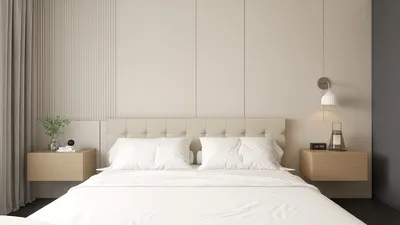


When considering living room flooring, I view it as a vital foundation for comfort, behavior, and enduring value. Choosing the appropriate surface can greatly influence the room’s acoustics, facilitate movement, and enrich its visual appeal. It must be resilient enough to withstand daily life with kids, pets, and social gatherings, while also balancing warmth, durability, and style, which can be expertly designed using tools like Homestyler.
Research consistently indicates that the selection of materials significantly affects comfort and overall wellbeing. The WELL Building Standard (WELL v2) emphasizes the importance of acoustic control and low-emitting materials, which are essential for enhancing occupant health, thereby creating quieter and healthier living spaces. Studies by Steelcase further link material choices and noise management to perceived comfort; minimizing impact sounds and reverberation optimizes conversational clarity, particularly in open-plan layouts.
The importance of color is on par with texture when it comes to flooring. As noted by Verywell Mind in color psychology research, warm neutrals can foster relaxation, while cooler shades evoke cleanliness and calmness—essential attributes since flooring usually represents the most significant color area in a room. I strategically utilize these insights: a warm oak species for family-oriented spaces and a pale, cool-toned stone for a minimalist, light-enhancing environment, often visualized with the help of Homestyler.
Critical Considerations Before Making Your Choice
• Lifestyle & Foot Traffic: Consider families, pets, and social events—opt for materials with superior dent resistance, scratch durability, and easy maintenance.
• Acoustic Properties: Hard floors tend to amplify sound; softer materials can help absorb it. Combine flooring with area rugs and felt pads to effectively manage acoustics.
• Thermal Comfort: Flooring plays a key role in perceived warmth. Hardwood and engineered wood provide a cozier feel compared to tile; radiant heating works best with materials like stone, porcelain, and engineered options.
• Visual Cohesion: The flooring should harmonize with the room’s color scheme, proportions, and focal points. Wider planks can create an elongated appearance; herringbone patterns add visual rhythm, while large-format tiles can minimize visual clutter.
• Sustainability: Seek out low-VOC finishes (in line with WELL v2), sustainably sourced wood, and ceramic or stone products that are durable, boasting long lifespans.
Hardwood: Timeless Character and Warmth
Solid hardwood showcases authentic grains and excellent reparability, providing a warm underfoot experience. Common selections include oak, walnut, and maple—with white oak offering both durability and an understated grain. Advantages include longevity, refinishing potential, warm acoustics, and strong color compatibility. However, hardwood can be sensitive to moisture and might dent in high-traffic areas. If a vintage patina is desired, hardwood wear can enhance its character—micro-scratches contribute to its story. For homes with pets, consider opting for matte finishes and UV-cured prefinished coatings containing aluminum oxide for better scratch resistance.
Engineered Wood: Ideal Stability for Modern Settings
Engineered wood features a layer of real wood over a solid core that resists warping in varied humidity conditions, making it perfect for apartments, homes with radiant heating, or coastal areas. It can be installed over a wider range of subfloor materials and is generally quieter than stone options. Look for a wear layer thickness between 3-6 mm to allow for light refinishing; prioritize low-emitting adhesives that comply with WELL v2 material health standards.
Luxury Vinyl Plank (LVP) and Tile (LVT): Stylish Resilience
LVP and LVT have made significant advancements, embodying realistic textures, moisture-resistant cores, and high dent resistance—making these materials popular choices for families and pet owners. They offer a warm feel underfoot and improved acoustics compared to ceramic tiles. When paired with a quality underlayment, these floors can minimize footfall noise, enhancing comfort for prolonged standing—a win for ergonomics. Seek products with substantial wear layer specifications (20-28 mil for busy environments) and low-VOC certifications.
Laminate: Cost-Effective with Visual Elegance
Laminate provides the appearance of premium materials at an affordable cost, though it should be approached with caution regarding moisture. Water-resistant options are available, but it's best to avoid spills. Its hard surface is firm, calling for complementary rugs to soften acoustic echoes. Edge designs such as beveled or square can change the shadow effects and realism—laminate is perfect for economical refreshes when enhancing a space with layered textures.
Porcelain and Ceramic Tile: Sleek and Durable
Porcelain is known for its remarkable durability and resistance to stains, making it excellent for spaces with radiant heating. Opting for large-format tiles creates a unified, serene backdrop; textured finishes provide improved slip resistance while minimizing glare. Acoustics may suffer when using tiles as they tend to reflect sound; incorporate area rugs to absorb noise and balance the room's acoustics. For those who favor contemporary minimalism and sharp edges, porcelain is an outstanding choice.
Natural Stone: Distinctive Aesthetics and Resilience
Materials like marble, limestone, and slate offer sophistication, yet require meticulous maintenance and sealing. Stone is a great conductor of heat, pairing beautifully with radiant systems; select honed finishes to reduce glare and slipperiness while embracing the unique variations inherent to natural stone. Utilize felt pads beneath furniture to shield softer stones, and layer rugs to maintain acoustic harmony.
Bamboo and Cork: Sustainable Comfort Solutions
Bamboo, a type of grass, boasts impressive strength; strand-woven varieties exhibit significant dent resistance. Cork, known for its acoustic dampening qualities, provides ergonomic comfort, making it an excellent choice for active households. Both materials complement warm color schemes and organic textures well. Ensure that finish durability and UV resistance are verified, as cork can fade in intense sunlight.
Area Rugs: Essential for Comfort and Style
Even on hard-surface floors, area rugs are crucial for sound absorption, defining zones, and adding warmth to the space. Studies from Steelcase have underlined the impact of noise on comfort and engagement; using a dense wool rug along with a felt pad can effectively reduce reverberation and enhance speech clarity. On a visual level, rugs help to anchor furniture arrangements, reinforce traffic patterns, and introduce accents of color psychology—earthy neutrals to calm, rich blues to soothe, warm terracotta shades to energize socially.
Color, Illumination, and Glare Considerations
The color of flooring significantly affects perceived brightness. Light-colored floors reflect natural light further into the room, while glossy surfaces may generate excessive glare. Aim for low-sheen finishes, especially in well-lit areas. Adjust the color temperature of your lighting (2700-3000K for cozy spaces) to coordinate with flooring tones: warm woods blend seamlessly with warm light, while cooler tiles suit neutral lighting to create visual harmony. Managing glare and reflection aligns with IES standards for brightness balance and visual comfort.
Plank Dimensions, Patterns, and Spatial Flow
Proportions play a pivotal role in design. Wider planks mitigate visual chaos, making smaller rooms feel more spacious, while narrower options introduce texture and dynamism. Patterns like herringbone, chevron, and parquet provide a classic rhythm that communicates well with minimalist furniture selections. Large-format tiles minimize grout lines, providing a seamless appearance; rectified edges ensure precision. Using a room layout tool can help test plank orientation and pattern scale before the final decision is made—with Homestyler facilitating this process.
room layout tool
Underlayment, Subfloor Preparations, and Installation Methods
Underlayment is critical for sound control, moisture management, and added comfort. In multi-family buildings, utilize acoustic underlay to minimize sound transmission. Floating installation methods are ideal for engineered wood, LVP, LVT, and laminate for speed and flexibility, while glue-down techniques provide superior stability and underfoot comfort, especially for herringbone patterns. Always ensure the subfloor is level; uneven surfaces can shorten product lifespan and affect performance.
Long-term Maintenance and Durability
To protect your flooring investment, implement simple maintenance habits: entry mats to catch dirt, felt pads for furniture, and approved cleaning agents. Recoat hardwood every few years to maintain sheen levels; follow recommendations for resealing stone. For vinyl and laminate, avoid using steam mops or harsh chemicals. Design-wise, select finishes that age gracefully—matte surfaces are better at camouflaging micro-scratches than glossy counterparts.
Budget Considerations and Value Optimization
Focus your budget where tactile experiences are most impactful. For barefoot comfort, prioritize wood, cork, or premium LVP paired with soft underlayment. When hosting frequent gatherings, durability and aesthetics in options like porcelain or engineered wood are strategic. Evaluating lifecycle costs—including refinishing and repair potential—can often mitigate higher initial expenses.
2024-2025 Trends: Texture, Realism, and Subtle Luxury
The latest trends emphasize matte finishes, natural grains, wider planks, and earthy color palettes. Engineered woods are showcasing delicate wire-brushing, LVP textures that mirror natural materials, and large-format porcelain slabs are becoming the norm. Sustainability continues to gain importance as low-VOC finishes and responsibly sourced products become essential criteria for many.
Matching Flooring to Diverse Living Room Aesthetics
• Modern minimal: Employ large-format porcelain tiles in warm gray, complemented by textured wool rugs and soft 3000K ambient lighting.
• Scandinavian: Light oak engineered wood in wide planks, featuring a matte finish and subtle grain for a fresh aesthetic.
• Transitional: Incorporate medium-tone oak or walnut with delicate herringbone in the seating area to bridge styles.
• Industrial: Use concrete-look porcelain, softened by plush rugs and casual linen furnishings for a balanced vibe.
• Coastal: Choose pale engineered oak with cool undertones, supporting breezy textures and light-blue accents that foster a serene ambiance.
Frequently Asked Questions
Luxury vinyl plank with a robust 20-28 mil wear layer combined with a quality underlayment offers excellent performance. Engineered wood with a matte, UV-cured finish is another solid choice; opt for mid-tone hues to hide minor wear.
Incorporate dense area rugs along with felt pads, utilize acoustic underlayment, and include soft furnishings. Research from Steelcase links reduced reverberation to enhanced comfort and engagement, highlighting textiles as valuable assets in interior design.
Absolutely. Warm neutral shades promote relaxation while cooler tones deliver a refreshing calmness, as supported by insights in color psychology detailed by Verywell Mind. Ensure harmony between flooring tones and lighting color temperatures for an aesthetically pleasing environment.
Engineered wood offers increased stability under fluctuating humidity, making it suitable for homes with radiant heat. In contrast, solid hardwood can be refinished multiple times and becomes richer in character as it ages. The choice between them ultimately depends on local climate and required upkeep.
For best results, pair radiant heating with materials like porcelain, stone, or engineered wood. Always refer to manufacturer specifications for maximum temperature limits and expansion allowances, as vinyl and laminate require careful monitoring in such setups.
Wider planks (6-8 inches) enhance the visual field and can give compact spaces an airier feel. Position planks along the longest wall to elongate the room and reduce visual clutter.
Opt for matte or low-sheen finishes to better obscure micro-scratches and dust. Wire-brushed effects and mid-tone color selections also mitigate visibility of daily wear compared to glossy surfaces.
Search for low-VOC certifications that align with WELL v2 standards, responsibly sourced timber, and resilient products which may be refinished or repaired. Longevity is a key factor in sustainable practice.
Ensure UV-resistant finishes and color-stable materials are prioritized. Some corks and darker woods are prone to loss of color; consider lighter shades and window treatments to manage UV exposure effectively.
Stone exudes a cool sensation yet pairs beautifully with radiant heat. Layering rugs and textiles can introduce warmth while also softening sound reflections.
Test different flooring options with a design visualization tool before installation. Lay planks parallel to light sources or along the longest wall to enhance visual flow and continuity in the space.
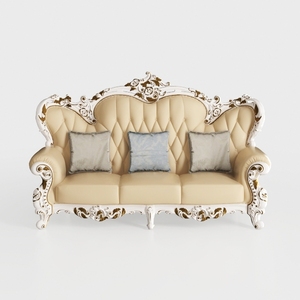
Baroque Luxury Leather Tufted Three Seat Sofa 3D Model
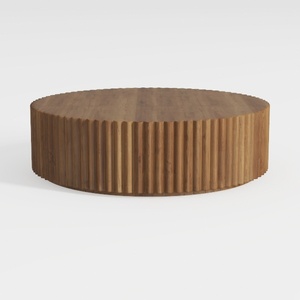
Minimalist Solid Wood Fluted Round Coffee Table 3D Model
Discover your dream home with Homestyler! This user-friendly online design platform offers an intuitive design tool, stunning 3D renderings, and a wealth of inspiring design projects and DIY video tutorials. Transform your ideas into reality effortlessly and start designing today!
Projete agora para LIVRE
































