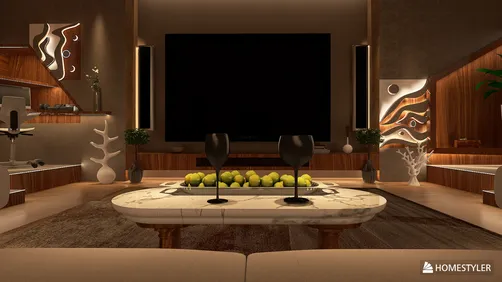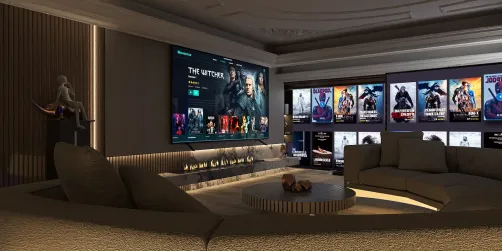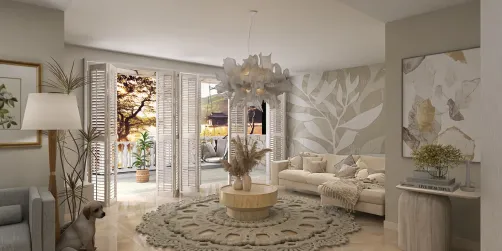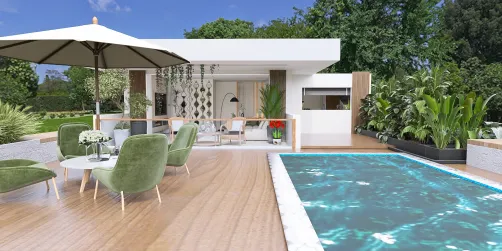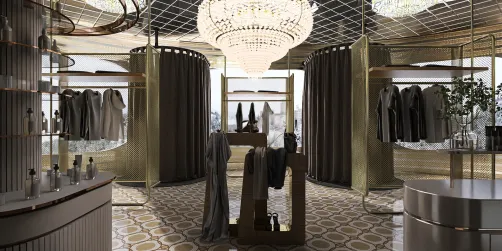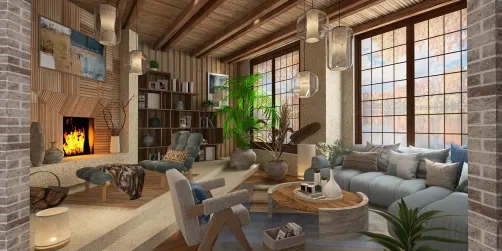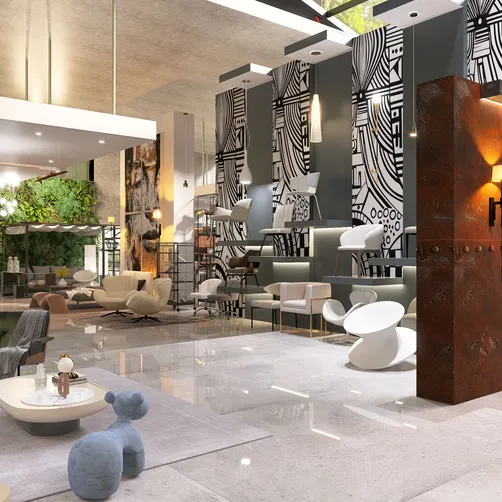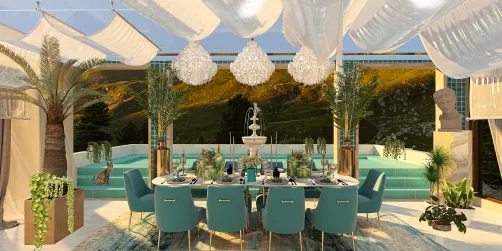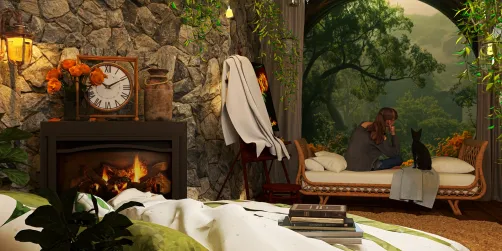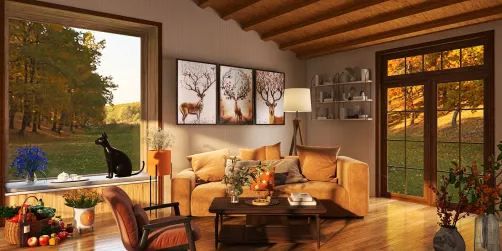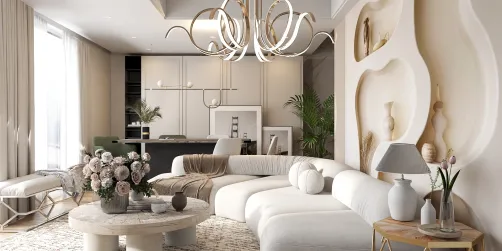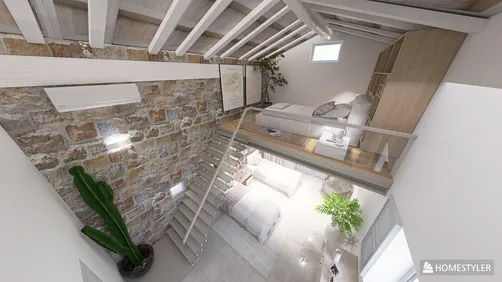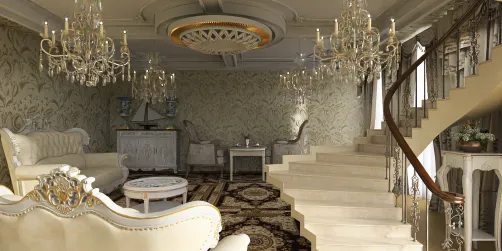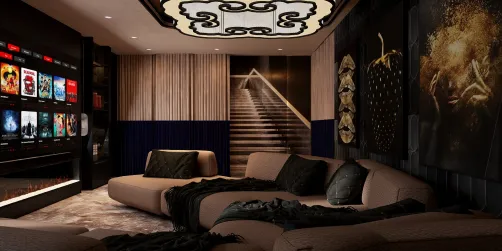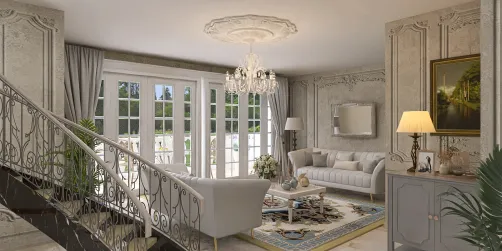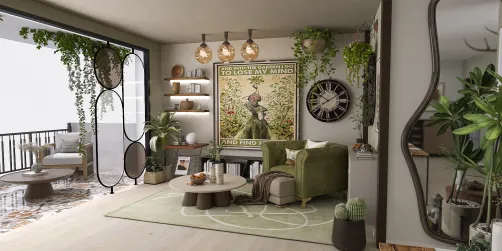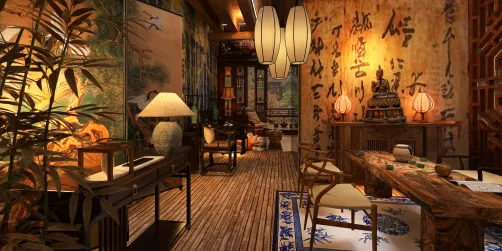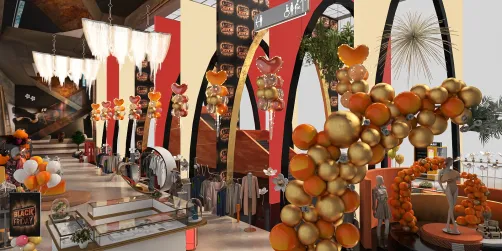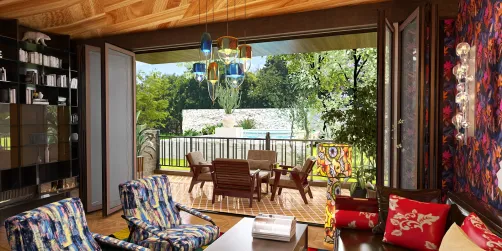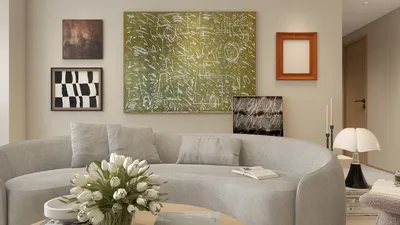
South Delhi presents a diverse array of party venues, ranging from charming boutique spaces to expansive ballrooms, each possessing unique qualities, sound dynamics, and layout. I analyze these locations with a focus on their configuration, illumination, acoustics, and overall guest experience, aiding you in selecting the perfect venue for occasions such as birthdays, sangeets, corporate mixers, or significant milestones. For those looking to design their space, utilizing tools like Homestyler can streamline the planning process.
The comfort of guests relies on basic principles. According to WELL v2 standards, the recommended ambient light levels for versatile spaces should be around 200–300 lux, while accent lighting should peak at 500 lux for key areas. I incorporate these elements during site visits to ensure decor appears visually appealing in photographs while also enhancing guest comfort. Studies by Herman Miller highlight that flexible and human-centered environments lead to increased satisfaction and improved social interaction, emphasizing the need for adaptive layouts and ergonomic seating to cater to the duration of various events.
Acoustic quality is crucial in defining a party hall's success. Research by Steelcase indicates that perceived privacy and sound control significantly enhance user satisfaction. For events, this translates to controlling reverberation (ideally RT60 at 0.6–1.0 seconds for speech-centric gatherings, with higher tolerances for music-focused ones), along with soft finishes strategically placed to balance out hard surfaces like marble or glass. When I evaluate venues in South Delhi, I consider elements such as materials, ceiling height, and insulation from outside noise.
Essential Factors for Assessing Party Venues in South Delhi
1) Accessibility and Location: Consider proximity to the Metro stations (like Saket, Hauz Khas, Green Park), along with parking arrangements and valet services. 2) Spatial Layout: Define clear areas for greeting, bar service, dining, dancing, and performances. A balanced design should allocate 30–40% for circulation in cocktail setups and 20–25% for seated meals. 3) Lighting Variations: Incorporate adjustable ambient lighting, highlight floral arrangements or installations, and glare-free lighting at food service stations. 4) Acoustic Environment: Utilize soft materials, curtains, rugs, and sound-absorbing panels to maintain intelligibility of speech without needing sound amplification that competes with the room. 5) HVAC Distribution: Ensure an even flow of air supply and return to avoid spots that are too warm near glass walls. 6) Backstage Operations: Plan for customer service paths, preparation areas, and unobtrusive loading zones to keep guests undisturbed.
Notable Venue Categories in South Delhi
Grand Ballrooms (Saket–Vasant Kunj corridor): Ideal for 250–600 attendees, these often boast double-height ceilings with ornate chandeliers, marble flooring, and spacious pre-function areas. I prioritize locations with adaptable rigging points for lighting and decor, soundproof wall features, and elevators for seamless banquet access. These spaces are perfect for weddings, sangeets, and gala events.
Boutique Banquet Halls (Greater Kailash, Panchsheel, Hauz Khas): These venues cater beautifully to 80–200 guests and are characterized by a strong design ethos—textured walls, warm 2700–3000K lighting, and cozy seating areas. The best options provide flexible staging, built-in audiovisual systems, and movable partitions for varied activities throughout the night.
Heritage and Garden Venues (Mehrauli, Sainik Farms): These open-air or semi-outdoor spaces provide picturesque settings. I assess floor leveling, tenting solutions, and wind patterns, while ensuring pathway lights and 3000–3500K uplighting enhance the greenery's appeal without harsh glare. Having contingency plans for weather is a must.
Contemporary Event Studios (Okhla, Nehru Place fringe): These industrial-style venues can be creatively transformed using lighting and set design. Their flexibility is suitable for innovative staging, fashion shows, and product launches. Essential features include acoustic draping kits and quiet HVAC systems.
Strategizing Capacity and Layout
Proper venue sizing is crucial to avoid overcrowding and budget overruns. For cocktail gatherings, I recommend around 8–10 square feet per person, while seated banquets generally need 12–15 square feet per guest. A typical guest flow includes a welcoming area upon entry, a strategically placed bar to prevent congestion, a buffet designed as a loop for ease of access, and a centralized dance floor to encourage energy. If you're interested in visualizing seating arrangements or testing bar layouts, a room layout tool, like Homestyler, can assist in simulating configurations before finalizing your booking.
room layout tool
Crafting Memorable Lighting Designs
Building an inviting atmosphere involves layered lighting. Ambient lighting should sit at 200–300 lux, with warmer tones dimmed to 2700K for comfort later in the evening, and accent lighting maintained at 400–500 lux on focal areas like the floral displays, cake table, and stage. Avoid unadorned LEDs at eye level; opt for diffused options or uplighting to mitigate glare. IES standards stress minimizing glare and ensuring uniformity—both crucial in keeping guests comfortable and photographers satisfied.
Balancing Acoustics and Music
Maintain RT60 between 0.8–1.0 seconds for combined music and spoken word; employ drapery, upholstered furniture, acoustic panels, and carpets to absorb sound reflections. For DJ setups, place speakers away from reflective corners, and consider cardioid sub arrays to minimize low-frequency accumulation near seating areas.
Choosing Materials, Decor, and Sustainability
Materials influence both the ambiance and upkeep of a venue. In bustling spaces across South Delhi, I prefer using stain-resistant fabrics, FSC-certified wooden accents, and rented floral arrangements to minimize waste. Implementing energy-efficient dimmable LEDs and modular decor solutions reduces the time and costs associated with disassembly.
Understanding Color Psychology and Thematic Cohesion
Colors set the emotional atmosphere. Warm color palettes (like terracotta and amber) encourage mingling, while cooler shades (such as sapphire and charcoal) align with upscale cocktail environments. Insights from Verywell Mind indicate that warm tones foster sociability—optimal for entry and dining spaces—while cooler tones should be reserved for the bar and stage to offer visual contrast.
Enhancing Guest Experience
Attentive details can elevate an event: a variety of seating options (including bar stools, lounge sofas, and banquettes), clear signage, compact surfaces at standing tables, and accessible charging stations nearby. Ensure restroom facilities correspond to guest numbers and manage service staff movement discreetly.
Vendor Management and Timeline Planning
I plan out the load-in schedule for decor, audiovisuals, and catering, followed by staging tests (audio checks, lighting scenes) and a final site inspection. Allowing a 60–90 minute window before guest arrival reduces stress and ensures a high-quality event.
Budgeting and Value Assessment
Balance the costs of rentals, catering, decor, and audiovisuals. Many venues in South Delhi offer basic packages that include lighting and sound; however, I recommend engaging a dedicated lighting designer for precise control over scenes and dimming effects. Clear service charges and overtime conditions help prevent any unexpected expenses.
Frequently Asked Questions
Q1: What are the ideal ambient and accent lighting levels for party venues?
A1: Aim for 200–300 lux of ambient lighting for comfort, supplemented with 400–500 lux on prominent features like the stage and cake table. Dimming to 2700K after dinner enhances relaxation.
Q2: How can I estimate the space required per guest?
A2: For cocktail-style functions, allocate about 8–10 square feet per guest; seated banquets typically require 12–15 square feet, which should include dedicated circulation and service areas.
Q3: What acoustic modifications can enhance speech clarity?
A3: Incorporate soft finishes, carpets, drapery, and acoustic panels. Maintain RT60 around 0.8–1.0 seconds for mixed events, and avoid hard parallel walls without sound-dampening solutions.
Q4: Which color selections increase social interaction among guests?
A4: Warm shades such as amber and terracotta are known for fostering a sociable environment; position these tones around lounges and dining areas, using color psychology principles as a guide.
Q5: What’s the best way to layout the bar and buffet?
A5: Position the bar away from the entrance to prevent congestion, and arrange the buffet in a loop with two access points. A centrally located dance floor will encourage guest interaction.
Q6: What should I look for in a venue’s AV package?
A6: Ensure the package includes reliable mixers, sufficient speakers, dimmable lighting, DMX controls, and dedicated power circuits. Confirm any sound limits with venue management.
Q7: Are outdoor garden venues viable throughout the year?
A7: Yes, provided there are weather contingencies in place—such as tents, wind barriers, portable heating or cooling solutions, and pathway lighting. Always verify the generator capacity for necessary electrical loads.
Q8: What is the recommended timeline for vendor load-in?
A8: Schedule decor and AV load-in at least 4–6 hours prior to guest arrival, allowing for a 60–90 minute window for rehearsals and final close-up checks.
Q9: What seating combinations enhance guest comfort?
A9: Mix cocktail tables, lounge sofas, and banquet seating. Maintain aisles of 1.2–1.5 meters wide and ensure accessibility near entrances and restrooms.
Q10: Which sustainable practices can make a significant difference?
A10: Implementing energy-efficient LED lighting, utilizing rented decor, employing recyclable materials, and sourcing local floral arrangements helps to reduce waste and carbon footprints.

Homestyler is your go-to online home design platform, perfect for all skill levels! With its user-friendly design tool, stunning 3D renderings, and a wealth of design projects and video tutorials, you can effortlessly create and visualize your dream space. Transform your home today!