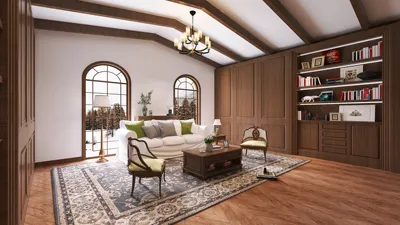


I view dining rooms as the vibrant hub of a home, where aesthetics are paramount, but ease of cleaning and durability are equally important. Tiles are ideal for achieving this harmony, as they allow for meticulous control over color, texture, light reflection, and sound absorption while simplifying maintenance. The selection of the right tile—complemented by a thoughtful layout and proper lighting—influences how guests gather, converse, and savor their meals. Utilizing tools like Homestyler can help visualize these elements effectively.
While a room’s appearance is crucial, performance is vital as well. In hospitality environments, the choice of flooring drastically affects how long people feel comfortable staying. According to research conducted by Steelcase, spaces that optimize human factors enhance perceived comfort and satisfaction, leading to longer, more enjoyable visits. Lighting plays a significant role in this, with the Illuminating Engineering Society advising levels between 100 and 300 lux for dining activities, based on context. Warm color temperatures—around 2700 to 3000K—foster a relaxed atmosphere. These parameters dictate how different tile finishes, such as matte versus glossy, interact with light and shadows. For more in-depth guidelines, refer to the IES standards.
Health and safety considerations introduce another essential aspect. The WELL Building Standard advocates for materials that emit low levels of pollutants, manage sound effectively, and enhance visual comfort; thus, choosing tiles that have recognized third-party emissions certifications can significantly improve indoor air quality. Textured surfaces at entry points and near buffets can reduce slip hazards, while padded seating and sound-absorbing walls facilitate clear conversations without raising voices, which is particularly important in spaces featuring hard tile.
Selecting the Right Tiles for Dining Spaces
Porcelain tiles are incredibly versatile—dense, low-porosity, and available in designs ranging from stone to delicate textile impressions. They resist stains from common spills like wine or sauces and stand up better against chair movement than many hardwood floors. Ceramic tiles are excellent for walls and wainscoting; opt for higher-grade ceramic or porcelain for flooring. Natural stone, such as limestone or marble, adds luxury but requires sealing and careful maintenance, appealing to clients who appreciate the character of patina. Additionally, engineered stone and terrazzo provide durability and eye-catching patterns with regular upkeep.
Finishes, Texture, and Safety against Slips
While glossy tiles can brighten small dining areas, they risk glare and easily show smudges; therefore, satin or matte finishes are preferable for a balanced reflection. Micro-textured porcelain provides traction while remaining comfortable underfoot—especially useful by patio entrances. If hosting frequently, prioritize tiles with higher slip resistance ratings and verify specifications from the manufacturer. Opt for rectified tiles with narrow grout joints for a smooth glide of chairs and to minimize crumb build-up in wider seams.
Understanding Colors and Their Psychological Impact
Colors significantly influence appetite and social atmospheres. Warm neutrals like sand, taupe, or clay ground the space in coziness, while soft greens promote relaxation and help mitigate noise. Deep shades of terracotta or burgundy can convey warmth, whereas cool gray tones provide a contemporary edge but might seem cold without infusing warmth through wood or fabric elements. You can achieve a lifted room perception by using lighter tiles against darker walls or a middle-tone floor paired with light walls for easy maintenance. Subtle tone-on-tone accent tile borders can guide movement from kitchen to dining area without overwhelming the space visually.
Improving Acoustic Quality with Hard Surface Floors
Tiles may reflect sound, so countering this with layered textiles is essential. Ensure area rugs under dining tables are sized to avoid snagging chair legs while still absorbing sounds of dining. Upholstered seating, fabric drapes, and acoustic art pieces can all contribute to reducing reverberation. In open-concept layouts, matte or textured tiles help diminish high-frequency reflections better than polished surfaces. If echoes occur, incorporating soft ceilings or wall panels can be effective before changing out the tiles themselves.
Light, Glare, and Visual Composition
The sheen and color of tiles should align with the room's lighting strategy. Utilizing pendants at 2700–3000K along with dimmable ambient lighting set around 100–300 lux, matte or satin tiles can minimize glare and hotspots. Glossy tiles may be appropriate for low-light environments with decorative light fixtures but require careful positioning to avoid overwhelming reflections. Contrast can be achieved by pairing lighter tile floors with darker furniture, making movement feel safer by keeping an eye on the shadows cast around chair legs.
Patterns, Scale, and Grout Approaches
Opting for large-format tiles (24×24 or 24×48 inches) contributes to a calm environment and simplifies cleaning. Pattern options like herringbone or chevron add a lively touch but should be used sparingly in simpler rooms. Keep grout lines narrow and color-matched to create a seamless effect; selecting high-performance or epoxy grout is advisable for enhanced stain resistance. If there’s a connection between the dining area and the kitchen, using a border or different pattern helps signal the transition while maintaining a cohesive color palette.
Spatial Arrangement and Flow
A well-functioning dining room features clear circulation paths and sufficient seating clearances for comfort. Ensure at least 36 inches around the table for movement and 48 inches for primary passageways. Testing layouts with a room planning tool can help visualize the ideal table sizes, rug placements, and tile patterns before making any decisions.
Durability, Care, and Eco-Friendliness
Opting for resilient porcelain tiles can ensure minimal scratches from chairs. Utilizing felt glides or soft casters aids in preserving the floor, which should also endure routine movements and gatherings. Natural stone requires sealing, and it’s advisable to test cleaners on off-cuts to avoid damage. For an eco-friendly choice, selecting tiles with recycled materials and transparent product information is recommended, complementing them with low-VOC grout and sealers in accordance with WELL guidelines. Regular care through sweeping, damp mopping, and spot cleaning keeps surfaces looking fresh without resorting to harsh chemicals.
Stylistic Design Inspirations
For a modern minimalistic look: opt for large-format matte porcelain in warm gray, matched with pale oak chairs and a fabric rug for sound absorption. For a transitional style: consider soft beige terrazzo with subtle aggregates, light walls, and brass accents, framing the seating area with a narrow border. In a Mediterranean theme, terracotta with a satin finish paired with cream-colored walls and woven textures works beautifully, introducing patterned cement tiles as a striking accent. For a contemporary rustic touch: combine textured stone-look porcelain, black metal fixtures, and upholstered seating to enhance acoustics. For an urban chic ambiance, charcoal tiles with warm lighting and a walnut table can be complemented with artwork and drapes to soften reflections.
Wall Treatments, Wainscoting, and Feature Focal Points
Using tiled wainscoting effectively protects walls in high-traffic areas from chair scuffs and serving trays. Vertical stacking can elongate a room visually; consider incorporating a gentle bevel or a pillowed edge for added texture. A feature wall behind a sideboard with glazed ceramics can provide a handcrafted feel. Keep colors simple to ensure they complement the table settings without conflicting with them.
Human-Centric Design: Comfort and Clearances
Creating comfort influences how long guests stay. Ensure that seat heights and table dimensions are ergonomically aligned for ease of movement. Chairs with lumbar support and cushioned seats can help alleviate restlessness. Make certain serving areas are easily reachable, and design pathways that don’t require guests to weave between clustered chairs.
Frequent Pitfalls to Avoid
Beware of overly glossy floors in bright areas; neglecting sound-absorbing elements when using significant hard surfaces; overlooking grout color and durability; failing to account for slip resistance near entries and service areas; mixing an excessive number of tile patterns; choosing rugs that are overly large, causing chair snags, and not testing lighting levels using the chosen finishes before installation.
For lighting standards, I refer to guidelines from the Illuminating Engineering Society, with strategies focused on wellness, emissions, and comfort in accordance with WELL v2 guidelines.
FAQs
Q1: What tile finish is ideal for a dining area?
A1: Satin or matte finishes are the best options, offering a balance of light control and glare reduction, which contributes to a cozy ambiance under warm, adjustable lighting.
Q2: How much lighting does a dining room require?
A2: Aim for a guideline of 100–300 lux with pendant lights at 2700–3000K for a laid-back atmosphere; consider increasing the light for tasks such as serving or reading.
Q3: Are glossy tiles advisable?
A3: They aren’t inherently problematic, but they may cause glare and show fingerprints. Utilize them in dimly lit areas and ensure fixtures are angled to minimize reflections.
Q4: Which flooring material excels under chair usage?
A4: Porcelain is generally the most durable choice for floors—its dense, low-porosity nature provides resistance to stains and wear from frequent movement.
Q5: How can acoustics be improved in a room with hard tile?
A5: Integrate appropriately sized area rugs beneath the dining table, choose upholstered chairs, and incorporate fabric curtains or acoustic wall art to keep echoes in check.
Q6: What type of grout should be utilized in a dining room?
A6: High-performance or epoxy grout can resist food and wine stains. Color-matching grout to the tile ensures a seamless aesthetic.
Q7: Are natural stone tiles a viable option?
A7: Yes, provided you’re ready to care for the patina and commit to sealing and using mild cleaners. Stone provides distinct character but requires more upkeep compared to porcelain.
Q8: How to plan tile layouts and ensure table clearance?
A8: Maintain at least 36 inches of space around the table, or 48 inches for main pathways, and utilize tools to mock up patterns prior to finalizing installation.
Q9: What tile colors promote a warm dining environment?
A9: Warm tones like neutrals, terracotta, and muted greens foster comfort and encourage interaction. Incorporate wood and textile elements to soften cooler shades.
Q10: How can walls be safeguarded from chair wear?
A10: Consider using tiled wainscoting or durable paint at the height of chair backs; textured ceramics or subtle glazes can add tactile interest.
Q11: Is slip resistance important?
A11: Yes, especially near entries and functional spaces. Choose micro-textured porcelain or finishes specifically rated for slip resistance to enhance safety on wet floors.
Q12: Can tiles be environmentally friendly?
A12: Yes, seek options with reclaimed materials and transparent environmental certifications, and pair these with low-VOC grouts and sealers that comply with wellness standards.
What began as an Autodesk innovation has evolved into a design platform used by more than 18 million people around the globe. Homestyler combines powerful rendering, an intuitive editor, and a vast furniture library to help you turn inspiration into photorealistic designs — whether you're redesigning a single room or planning an entire home.

Minimalist White Metal Wood Adjustable Drafting Desk with Shelf 3D Model

Industrial Solid Wood Metal Office Desk and Leather Armchair 3D Model
Minimalist Solid Walnut Wood Desk 3D Model
Homestyler is your go-to online platform for home design! Its user-friendly design tool allows you to create stunning interiors with ease, while the extensive 3D rendering and DIY video tutorials inspire creativity. Transform your space effortlessly and bring your design dreams to life!
Projete agora para LIVRE
































