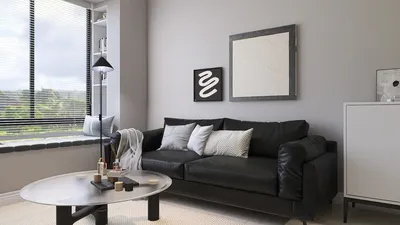


Choosing the ideal wallpaper for a drawing room in India involves considering both climate-sensitive materials and cultural elements alongside aesthetic appeal. I tend to seek out designs that harmoniously blend visual warmth with resilience—textures capable of withstanding humidity, prints that enhance daily activities, and calming colors suitable for dynamic spaces. A thoughtfully selected wall covering can influence behavior, improve sound quality, and establish the room’s social atmosphere, especially when integrated with tools like Homestyler for visualizing designs.
Research shows a clear connection between color, environment, mood, and productivity. As outlined in Verywell Mind's examination of color psychology, hues like blue and green promote tranquility and concentration, while reds and oranges boost energy and social interaction—particularly advantageous for a living room meant for hosting family and friends. Steelcase’s workplace studies indicate that spaces with visual comfort and textured layers enhance the perception of well-being and social bonding—concepts easily applicable to home lounges where gatherings occur. For optimizing acoustics, the Illuminating Engineering Society (IES) advocates for surface choices that minimize glare and optimize light spread; wallpapers that are matte and have micro-textures can help achieve this balance under various lighting conditions.
In regions characterized by hot and humid weather, it is essential to select materials resistant to moisture and fading. According to WELL v2 recommendations, the emphasis on low-VOC finishes is crucial for maintaining air quality; therefore, I prioritize responsibly sourced wallpapers that are labeled low-emission and washable, particularly in densely populated Indian cities where exterior air can affect indoor conditions. Sustainable options, like FSC-certified paper and recycled non-woven backings, maintain stability amidst varying humidity levels while fostering healthier living spaces.
Modern Aesthetics of Indian Drawing Rooms
Contemporary Indian residences often blend traditional elements with modern simplicity. I frequently combine sleek furniture and neutral-toned fabrics with a standout wall featuring a textured, light-absorbing wallpaper positioned behind the sofa or media center. This approach ensures the area remains serene yet expressive. In spaces that receive intense afternoon sunlight, I avoid high-gloss wallpapers that may lead to glare and opt instead for matte or silk-embossed options, which create a sophisticated, glare-resistant ambiance.
Popular Wallpaper Styles That Are Effective
Prints mimicking grasscloth, linen textures, and subtle plaster patterns impart a tactile richness without overwhelming the visual space. These choices work well in smaller apartments; they gently mask minor wall imperfections while improving acoustic quality by disrupting sound reverberations.
Large, soft patterns such as tonal hexagons or broken chevrons introduce structure and rhythm. I recommend maintaining gentle contrasts in smaller rooms; higher contrasts can be more effective on a single feature wall within larger living areas.
Modern interpretations of Jali lattice, floral block prints, or mandala designs can take on subdued color palettes. Applying a matte finish in muted indigo or turmeric gold offers cultural depth without overwhelming the space.
Designs featuring palm fronds, banyan tree outlines, or watercolor leaves evoke tranquility, particularly when set against warm wood and rattan furniture. Colors like green and soft neutrals align with color psychology principles aimed at promoting relaxation while reflecting India’s indoor-outdoor living ethos.
Veined marble or terrazzo pattern wallpapers offer a luxurious feel without excessive expense or weight. It’s wise to select low-sheen options to circumvent reflective spots near windows or light fixtures.
Color Strategies for Indian Light Conditions
Natural light shifts quickly: cooler tones in the morning give way to warmer hues by evening. I create palettes that adapt throughout the day—soft beiges, clay taupes, dusty teals, and greiges work beautifully. Using richer colors (like indigo, emerald, or rust) on one wall can anchor the seating area while keeping adjacent walls lighter for an airy feel.
Material Performance: Humidity, Care, and Durability
For cities with high humidity, such as Mumbai, Chennai, or Kolkata, non-woven or vinyl-coated wallpapers are often my first choice. They offer dimensional stability and ease of cleaning. In dust-prone cities like Delhi or Jaipur, washable surfaces with sealed edges can reduce maintenance concerns. Always request low-VOC options to comply with WELL v2 standards addressing indoor air purity and the health of residents.
Managing Light and Glare
The arrangement of lighting can significantly affect how wallpaper appears in a space. As advised by the IES, I steer clear of high-gloss finishes positioned directly in strong light rays. Instead, diffused wall washers and warm 2700–3000K LED lighting enhance textures and complement skin tones during evening gatherings. If you are using downlights, spacing them away from the feature wall will help avoid overwhelming highlights; matte or eggshell finishes can help create an even light experience.
Enhancing Acoustics in Social Areas
Bare floors and plain walls tend to bounce sound. Textured wallpapers function as micro-baffles, thereby improving clarity of speech. Pairing them with soft rugs and upholstered furniture further minimizes sound reflection. For rooms where music or television is prominent, opting for heavier wallpaper substrates on the main walls can help absorb unwanted echoes.
Strategic Placement and Proportion
In the majority of drawing rooms, I designate a single feature wall—typically behind the sofa—to serve as a visual focal point. In long and narrow rooms, I advise keeping patterns oriented horizontally to create a sense of spaciousness; vertical designs can elevate the impression of ceiling height in smaller flats. If you’re assessing seating layouts or TV lines of sight, utilizing a room design visualization tool like Homestyler can provide valuable insights into how the feature wall interacts with the overall space.
room design visualization tool
Coordinating with Furnishings and Artwork
Let your wallpaper serve one primary purpose: either as texture or pattern, but avoid overwhelming both aspects at full intensity. If the wall is patterned, simplify the fabric on the sofa; conversely, if you have a textural wall, you can introduce vibrant cushions or framed artwork. Metallic elements (like brushed brass or antique gold) can beautifully enhance warm tones, while blackened metal accents provide grounding for cooler aesthetic schemes.
Installation and Finishing Touches
Effective preparation is crucial. Smooth out uneven plaster, apply a stain-blocking primer, and check moisture levels prior to wallpaper application. In coastal locations, using a dehumidifier during and after installation is advisable. Ensure an accurate alignment of pattern repeats around corners and alcoves; a slight misalignment can disrupt the visual integrity in minimalist spaces.
Notes on Sustainability
Opt for wallpapers that include recycled content or sustainably sourced paper. Avoid highly solvent-based adhesives; instead, utilize low-VOC, water-based glues to ensure better indoor air quality. If you plan to redecorate frequently, consider peel-and-stick options on a prepped surface to minimize waste.
Budgeting and Value Considerations
Invest in the feature wall while economizing in other areas. High-quality substrates and prints on that standout wall will establish the tone for the entire room, whereas simpler, paint-matched walls can help manage expenses. Remember to include professional installation for intricate patterns, as it can prevent redoing work and ensure that edges, trims, and outlet cutouts are neatly finished.
Frequently Asked Questions
Non-woven and vinyl-coated wallpapers are effective in humid environments. They resist warping and are simpler to clean, especially in coastal areas.
North-facing spaces receive cooler light. Warm neutrals—such as beige, honey, or clay—can create a balanced tone. Use accents in turmeric gold or rust for cozy evenings.
Absolutely, provided the palette remains soft and the pattern is subtly done. A single feature wall with low contrast can give the room a curated feel without making it look smaller.
Utilize matte or eggshell finishes alongside diffused lighting. Keep downlights away from the feature wall, and opt for 2700–3000K LEDs for warmer, inviting visuals.
Textured surfaces can effectively disrupt sound reflections, leading to reduced reverberation. Combine these with rugs, curtains, and upholstered items for noticeable improvements in sound quality.
It can indeed work on smooth, prepared walls in moderate humidity. For coastal zones, select moisture-resistant varieties with higher-tack adhesive and dehumidify during the application process.
Look for wallpapers low in VOCs and use water-based adhesives, complying with WELL v2 recommendations for healthier indoor spaces.
Generally, it’s best placed behind the main sofa or directly opposite the entry for immediate visual impact. Employ a room design visualization tool to explore sightlines, TV placements, and circulation options.
Desaturate traditional patterns to rest on a single wall. Combine this with streamlined sofas and minimalist metal accents for a harmonious, modern design.
Dust monthly using a microfiber cloth; for washable wallpapers, spot clean with a damp sponge. Managing indoor humidity is essential to prevent seam lift.
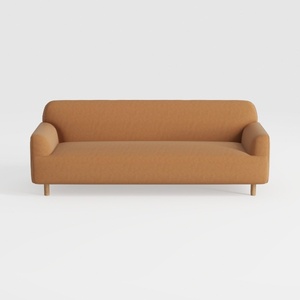
HIFIT Sofa Couches, 79” Mid-Century Modern Couch,
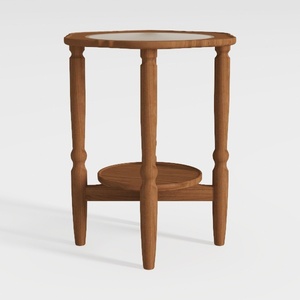

HOOBRO Small Round Side Table with Charging
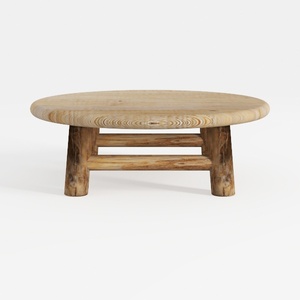
Round Wood Coffee Table - 29.53" Wooden Coffee
Discover the ease of home design with Homestyler! This intuitive online platform offers a powerful design tool, stunning 3D renderings, and a wealth of interior design projects. Plus, the engaging video tutorials will inspire and guide you every step of the way. Transform your space today!
Projete agora para LIVRE
































