

Selecting the ideal banquet hall for a wedding involves more than just visual appeal. It's essential to consider factors like capacity, circulation, lighting, acoustics, and service logistics, as these elements significantly influence the overall experience of both the ceremony and reception. My approach to evaluating venues mirrors how I assess hospitality projects: prioritize the needs of guests first, then enhance the atmosphere. Research by Steelcase indicates that environments tailored to human requirements notably boost satisfaction and engagement—this principle is especially relevant for events where guests are dining, mingling, and enjoying a series of activities. Additionally, the International WELL Building Institute highlights the importance of glare control and sound comfort for guest well-being, which are vital during weddings that include speeches, music, and dining.
The quality of lighting dramatically distinguishes one venue from another. Following IES recommended practices, implementing layered lighting—ambient, task, and accent—promotes both comfort and visual efficacy. The color temperature also plays a crucial role in setting the ambiance: a range of 2700–3000K tends to flatter skin tones and evokes warmth for evening weddings, while 3500K is suitable for daytime events filled with natural light. Adequate lighting combined with effective acoustics reduces fatigue and enhances the overall experience, leaving guests with lasting memories long after the celebration ends.
Begin by Assessing Capacity, Flow, and Comfort
Before diving into styles or themes, determining the headcount is crucial. For seated dining, allocate 9–11 square feet (0.8–1.0 m²) per guest for round tables with service aisles, and 8–9 square feet for long banquet tables, ensuring optimized service routes. Additionally, consider adding 20–30% more space for a dance floor, bar, and movement. Overcrowded seating can escalate noise levels and hinder service efficiency. I also create a guest journey map that includes arrival, pre-function activities, ceremony, reception, and departure. Look for expansive foyers, prominent signage, and unobstructed paths to restrooms and outdoor areas. To quickly visualize table spacing, bar locations, and dance floor proximity with clients, utilize a room layout tool like the interior layout planner from Homestyler for simulating crowd flow and sightlines.
Ceiling Height, Sightlines, and Room Dimensions
Tall ceilings (14–20 ft) enhance the ceremony space and improve air circulation, crucial for acoustics and perceived ambiance. While ballrooms with columns can convey a sense of grandeur, they might obstruct sightlines to key areas like the head table, mandap, chuppah, or stage; therefore, physically exploring the space and trying out different seating positions is vital to ensure visibility. Optimal room proportions for larger spaces often lean towards a 1:1.5 to 1:2 width-to-length ratio, effectively zoning areas for dining, dancing, and lounging without creating a disjointed feel.
Acoustics: Ensuring Every Toast Resonates
Maintaining a reverberation time (RT60) between 0.8 and 1.2 seconds ensures that speeches are clear while music remains vibrant. If the venue features a lot of glass, marble, or drywall, inquire about deploying acoustic panels, curtains, carpets, or upholstered seating to enhance sound absorption. Conduct a clap test during the venue visit and arrange for a microphone test. Centrally placing the dance floor with softer seating areas on either side can help in distributing sound evenly and minimizing hot spots near speakers.
Lighting: Flattering and Functional
Implementing a layered lighting strategy allows for seamless transitions throughout the day—from the ceremony to cocktails to dinner and the first dance—without necessitating costly setup changes. Aim for dimmable ambient lighting at 10–30 foot-candles for dining, accent lights highlighting floral arrangements and architectural features, and directed lighting at lecterns for toasts. Prevent direct glare above the head table while ensuring that the dance floor makes a striking impression when house lights dim. Warm color temperatures (2700–3000K), coupled with amber uplighting and soft pinspots on centerpieces, can illuminate faces beautifully, facilitating easy photography. Make sure to confirm DMX or digital control for effortless transitions throughout the event.
Strategic Layout: Positioning Dance Floor, Stage, and Service Areas
An effective floorplan centers energy while allowing servers to navigate without disrupting key moments like photos. Position the dance floor as the focal point, with the stage or head table aligned on the long axis to create clear sightlines. Bars should be located off the main entryway to alleviate potential bottlenecks, and consider incorporating satellite bars near lounge areas to minimize lines. For plated dinners, provide 5–6 feet of aisle space between table rows; for buffets, create looped pathways with clear queuing to enhance guest experience. Using an interior layout planner with design visualization tools like Homestyler aids clients in visualizing trade-offs instantly, especially in uniquely shaped ballrooms or when a ceremony reset is needed.
Power, Rigging, and Vendor Coordination
Request a power distribution map early on—DJ setups, live bands, uplights, catering warmers, photo booths, and charging stations can collectively require 60–100 amps. Ensure the venue offers ceiling rigging points for hanging floral arrangements or chandeliers. Verify the presence of a dedicated vendor entrance, back-of-house storage areas, and a freight elevator that accommodates backdrops (minimum 8-foot height is advisable). Loading access schedules and noise policies may impact overall planning and costs.
Guest Comfort: Chairs, Climate, and Accessibility
Offering comfortable seating with sufficient lumbar support becomes invaluable during prolonged receptions. If the venue provides Chiavari or resin chairs, factor in quality cushions (at least a 2-inch foam). Maintain a temperature between 70 and 74°F, especially considering heat generated from dancing. Ensure ADA-compliant pathways from entrances to ceremony areas and restrooms, while reserving seating with optimal sightlines for older guests. Providing a calming lounge or nook away from the dance floor enhances guest satisfaction with small yet significant amenities.
Color Psychology and Material Selections
Colors evoke emotions. Warmer palettes such as peach, champagne, and terracotta impart a sense of intimacy and celebration; cooler tones like sage, slate, and mist promote calmness and balance. Utilizing textured linens, soft drapery, and matte finishes can help reduce glare and soften acoustics. Metallics should be used sparingly for punctuation—champagne hues over chrome create a more timeless look in photographs. If the venue has strong carpet or wall colors, harmonize your selection rather than clash—choose floral arrangements and lighting gels that complement and tone down competing colors for a unified aesthetic.
Program Planning and Run-of-Show
Carefully planning transitions is essential: hosting the cocktail hour away from the dining area can create a dramatic reveal; a brief pre-dinner toast helps maintain momentum, while scheduling the first dance immediately after dinner encourages guests to hit the floor. Ensure that speeches are concise and grouped. Positioning the cake service near another focal point avoids crowd bottlenecks. Clear signage and a master of ceremonies timeline alleviate uncertainty for both guests and vendors alike.
Contract Essentials and Hidden Expenses
It’s vital to clarify room rental hours, overtime charges, minimum spending requirements, sound restrictions, and décor limitations (like candles, confetti, and ceiling rigs). Confirm what is included in the rental: tables, chairs, linens, lighting equipment, staging, dance floors, coat checks, security personnel, AV tech support, and cleaning services. Inquire about corkage fees and preferred vendor lists. A detailed floor plan with capacities for each configuration (ceremony, dining, dance) and a written contingency plan for outdoor components is also advisable.
Sustainability and Practical Considerations
Select venues equipped with LED lighting, efficient HVAC systems, and recycling or composting protocols. Whenever feasible, opt to rent décor rather than purchase, and select floral arrangements that can be reused between the ceremony and reception. If the venue is fitted with dimming and zoning capabilities, this can reduce energy consumption while enhancing the ambiance. Whenever you can, choose durable, low-VOC finishes for any temporary backdrops in smaller spaces.
Site Visit Checklist: My Essential Tests
- Position yourself at the back table and assess sightlines to the stage and screens.
- Listen for HVAC noise or echoes, and request drapery or panels as needed.
- Test lighting scenes for various settings: full, dining, speeches, and dance.
- Traverse server paths with chairs positioned as they would be during the event; simulate bar lines.
- Verify power outlets and access for loading in; check elevator dimensions.
- Time the walk to restrooms and assess cleanliness and capacity.
- Step outside for photo locations and smoke breaks; confirm re-entry ease.
- Inspect backup spaces to prepare for potential weather-related contingencies.
Data-Driven Design Considerations
Prioritizing human-centered features—like proper lighting, comfortable seating, and an intuitive layout—consistently enhances the user experience. The WELL framework identifies quality lighting and acoustic comfort as vital for occupant well-being, which aligns with wedding goals such as clear speech delivery and flattering light. IES recommendations regarding layered lighting and glare control inform the way I specify adjustable, warm ambient lighting coupled with focused highlights for dining comfort and photography. Steelcase’s research serves as a broader reference for understanding how spatial decisions enhance satisfaction and engagement at events.
FAQ
Allocate 9–11 square feet per guest for round tables to facilitate comfortable seating and service aisles; increase allocation by 20–30% for dance floors, bars, and circulation. Long tables can decrease to 8–9 square feet if aisles are maintained at a minimum of 5–6 feet.
Aim for ceilings of 14–20 feet for larger gatherings. Elevated ceilings enhance sound distribution and provide space for lighting rigs and floral arrangements without blocking sightlines. If ceilings are lower, consider using vertical draping and uplighting to create an illusion of height.
Conduct a simple clap test, followed by a microphone test with music playing. Inquire about drapery, carpeting, or acoustic panels. The ideal reverberation time for large gatherings typically falls between 0.8 and 1.2 seconds.
Employ 2700–3000K warm white lighting for evening receptions to flatter skin tones, while daytime ceremonies benefit from 3000–3500K, balancing with natural light. Confirm that dimming controls are in place for smooth transitions throughout the event.
Position the dance floor centrally to serve as an energy anchor, and place the stage or head table along the long axis to ensure clear sightlines. Position bars slightly off the main entryway to avoid crowds, and add a satellite bar around lounge areas to streamline service.
Request a power distribution map alongside the total available amps, confirm dedicated circuits for the DJ/band and lighting, and verify ceiling rigging points along with weight limits for floral displays, chandeliers, or truss systems.
Opt for well-cushioned chairs, maintain a room temperature of 70–74°F, ensure ADA-compliant pathways, and set up a quiet lounge area. Make sure there is no glare at tables and that restrooms are clean and accessible.
Yes, utilizing a digital interior layout planner enables you to test seating densities, aisle widths, and dance floor dimensions. A room layout tool like Homestyler can swiftly simulate sightlines and guest flow for your selected venues.
Be aware of overtime charges, sound curfews, corkage fees, additional staffing, cleaning requirements, and AV support. Verify the inclusions (dance floors, staging, linens, lighting inventory) and request capacity details for each setup option.
Warm palettes (peach, champagne, terracotta) evoke intimacy and celebration, while cool colors induce tranquility and balance. Use metallics as accents, and coordinate floral and lighting choices with the venue’s fixed finishes for a cohesive look in photographs.
Inquire about LED lighting, HVAC efficiency, and waste management programs. Opt for repurposing ceremony florals for the reception, rent décor when feasible, and utilize dimming zones to cut back on energy while enhancing atmosphere.
This works effectively if the venue provides a distinct space for cocktails during resets. Use drapes or partial walls to maintain a fresh reveal, and coordinate a tight run-of-show with vendors for smooth transitions.
Consult reputable sources such as WELL’s guidelines for lighting and sound, and Steelcase’s insights into how the environment impacts engagement and satisfaction in communal settings.
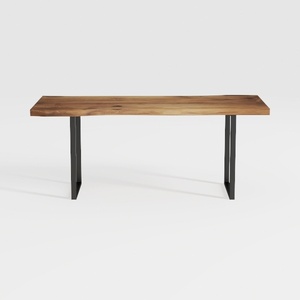
Huuger Computer Desk, 55 Inch Home Office Desk

Set of 2 Astra Dark Brown Solid Wood Chair with
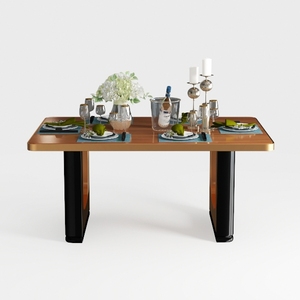
Large Luxury Office Desk, Live Edge Color River
Discover the ease of home design with Homestyler! This user-friendly platform offers a robust online design tool, stunning 3D renderings, diverse design projects, and insightful DIY video tutorials. Bring your creative vision to life and transform your space effortlessly. Start designing today!
Projete agora para LIVRE
































