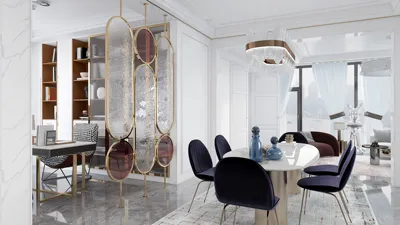


When considering comfort, I examine factors like indoor climate, room dimensions, heat loads, and actual usage patterns of the space. The ideal cooler for your environment isn't a one-size-fits-all solution: a compact bedroom in a dry climate has vastly different requirements compared to a living room in humid coastal areas. To make an informed choice, it’s important to base your selection on measurable metrics—thermal comfort, humidity levels, noise output, and energy consumption. Utilizing tools like Homestyler can greatly assist in visualizing these aspects.
Thermal comfort is closely linked to three main factors: temperature, humidity, and airflow. According to the WELL v2 standards, the acceptable indoor temperatures generally range from 20–24°C (68–75°F) for most individuals dressed in moderate clothing, with target humidity levels around 40–60%. Research from Steelcase indicates that environmental conditions—temperature fluctuations, noise levels, and air quality—actively influence comfort and employee productivity, with temperature and the freshness of air often highlighted as primary comfort determinants. To achieve optimal lighting and visual comfort, one can follow IES guidelines regarding glare and illumination that help prevent heat from inefficient lighting while ensuring visual satisfaction.
With well-defined criteria in mind, different cooling devices serve specific functions. Evaporative coolers, or swamp coolers, are particularly effective in hot, dry climates where the relative humidity remains below approximately 40%. They can drastically lower air temperatures while providing fresh outdoor air; however, they also increase indoor humidity—an advantage in arid conditions but a concern in damp environments. Compressor-based air conditioners (that use refrigerants) deliver consistent cooling across diverse climates, controlling both temperature and humidity effectively. Portable air conditioners and mini-splits are popular solutions for specific rooms, with mini-splits offering enhanced efficiency and reduced noise levels. Hybrid approaches—combining portable air conditioners with dual-hose systems, alongside evaporative units paired with dehumidifiers—can effectively address challenges in fluctuating climates.
How Different Cooler Types Impact Comfort
• Evaporative coolers: Ideal for hot, dry climates. These devices utilize water evaporation to cool the incoming air while enhancing airflow. Users can expect a pronounced wind-chill effect, although humidity levels may gradually increase. In regions with 15–30% relative humidity, they perform remarkably well; however, when humidity exceeds 50–60%, their efficiency diminishes, potentially creating a sticky environment.
• Compressor-based air conditioners (including portable, window, and mini-split models): Functional in all climates and adept at controlling humidity by condensing moisture from the air. Mini-split systems are particularly known for their efficiency and quiet operation, making them suitable for sleeping areas and living spaces where noise reduction is crucial. While window units provide effective cooling, they generally produce more noise and can create uneven air distribution. Portable units offer flexibility but require proper ventilation; dual-hose designs usually operate better than single-hose systems because they reduce negative pressure.
• Hybrid and supplemental devices: Pairing dehumidifiers with fans can enhance perceived comfort by maintaining relative humidity at 40–55%, especially during transitional weather. Smart fans with adjustable speeds can produce airflow that decreases perceived temperature by 2–4°F through convective heat loss, complementing either type of cooler effectively.
Room Dimensions, Heat Load, and Airflow Distribution
Proper sizing is essential. Undersized units tend to run continuously without achieving desired temperature levels, while overly large units cycle too frequently, raising humidity levels. For compressor-based systems, calculate BTU requirements based on room volume, solar gain, window orientation, user occupancy, and equipment energy loads. A compact bedroom (120–180 sq. ft.) typically requires a range of 6,000–8,000 BTU; larger living rooms (250–400 sq. ft.) may need between 10,000–14,000 BTU, with factors such as high ceilings and large windows increasing the demand.
Air distribution is just as critical as the cooling capacity itself. Cool air should envelop seating areas, sleeping spaces, and workstations without blowing directly onto individuals to prevent cold drafts. In my planning process, I often use a room design tool like Homestyler to test various configurations to ensure effective airflow and placement.
Humidity and Indoor Air Quality
Evaporative and compressor-based cooling systems manage humidity differently. In arid climates, introducing moisture can elevate relative humidity into a comfortable range and help reduce airborne dust. Conversely, in humid environments, meticulously controlling relative humidity is crucial—excessive moisture can lead to mold growth, unpleasant odors, and diminished thermal perception. The WELL v2 recommendations advocate for maintaining relative humidity around 30–60%, and employing proper filtration (ideally MERV-8 or better) aids in minimizing particulates. Should you opt for a portable AC unit, ensure that condensate is managed properly and that filters are regularly cleaned; with evaporative systems, it’s vital to keep reservoirs sanitized to eliminate biofilm and odors.
Noise, Sleep, and Acoustic Comfort
Noise is an often-overlooked factor in overall comfort. Studies from Steelcase and Herman Miller consistently find a strong connection between acoustic comfort and both performance and wellbeing. In bedrooms, it’s advisable to choose a cooler with low noise ratings and consistent fan operation; mini-splits generally excel in this regard. For communal areas, position the unit strategically so hard surfaces do not exacerbate sound, and introduce soft materials—such as rugs, drapes, and upholstered furniture—to absorb mechanical noise and airflow sound.
Energy Consumption and Sustainability
Evaporative coolers typically require significantly less electricity than compressor-based AC systems, as they mainly operate a fan and a pump. For residents in dry climates, this represents a highly energy-efficient solution. In mixed or humid areas, seek out inverter mini-split systems with high SEER (Seasonal Energy Efficiency Ratio) and HSPF (Heating Season Performance Factor) ratings. Regularly maintain filters, seal windows, employ external shading, and adjust lighting to reduce heat gain—customer guidelines from IES on effective lighting design can substantially reduce internal load. Material choices are also consequential; reflective blinds, low-e films, and low-VOC, breathable finishes promote healthier indoor air while addressing heat concerns.
Color Psychology and Interaction with Light
Cool color palettes (soft blues, muted greens) can psychologically create a sense of lower warmth, while vibrant reds and oranges often contribute a perception of heat. Balanced illumination at 2700–3500K in the evening enhances relaxation and diminishes glare; in contrast, higher color temperatures (4000–5000K) can enhance alertness during daylight hours. Integrating cooling systems with a lighting design that minimizes radiant heat and visual strain will ensure that spaces feel tranquil, even at higher temperature settings.
Choosing the Right Cooler for Your Needs
• For hot, dry climates (low relative humidity): Opt for an evaporative cooler for main living areas and consider adding a small dehumidifier only if humidity rises above 55% during rainy seasons. Ceiling fans can further enhance the cool wind-chill effect.
• For humid or varying climates: Mini-split air conditioners are recommended for bedrooms and key living areas, while portable or window units can be suitable for secondary spaces. Look for inverter technology, silent modes, and controls for dehumidification.
• For rental or temporary arrangements: A dual-hose portable AC can provide better efficiency and diminished pressure issues, while a compact evaporative cooler may be viable if the area is significantly dry.
• For households with allergy sensitivities: A compressor-based AC paired with quality filtration and routine maintenance should be prioritized; maintaining relative humidity around 40–50% can reduce risks of dust mites and mold.
Placement and Layout Considerations
Position coolers in a manner that allows airflow to circulate across common activity areas—sofa seating, bed orientation, workspace—without directing airflow straight onto occupants' faces. Avoid situating evaporative coolers near moisture-absorbent materials that might trap humidity. For portable AC systems, ensure ducts are secure, hose lengths are minimized, and bends are reduced to mitigate static pressure, thus optimizing performance. I frequently utilize an interior layout planner, such as Homestyler, to identify dead zones and enhance circulation pathways.
Maintenance for Sustained Comfort
Regularly clean filters during peak season, descale evaporative pads, sanitize reservoirs, and inspect seals for air-tightness. Schedule annual maintenance for mini-split systems that includes coil cleaning and professional servicing. Keep blinds or external shading active during periods of intense sunlight to alleviate load and help the cooler operate within optimal parameters.
Expert Insights
For comprehensive comfort benchmarks and studies regarding environmental influences, refer to Gensler Research Institute’s workplace research and the WELL v2 recommendations on thermal and humidity standards. The IES guidelines can offer valuable insights into lighting and visual comfort, which indirectly contribute to reducing heat and glare impacts in various rooms.
Frequently Asked Questions
Q1: Are evaporative coolers effective in humid climates?
A: Generally not. Once relative humidity exceeds around 50–60%, evaporation slows and comfort declines. In humid areas, a compressor-based air conditioner that effectively manages both temperature and humidity proves to be more reliable.
Q2: What cooling option is the quietest for bedrooms?
A: Mini-split systems are typically quieter than window or portable units, with stable, low-noise fan settings promoting restful sleep.
Q3: How do I determine the appropriate size cooler for my room?
A: Calculate BTUs required by considering square footage and adjusting for ceiling height, sun exposure, occupancy, and equipment. For a living room sized 250–300 sq. ft., expect to need between 10,000–12,000 BTUs, although factors like west-facing windows or elevated ceilings may necessitate more.
Q4: Can fans replace a cooler?
A: Fans do not reduce air temperature but can enhance convective heat loss, making a room feel 2–4°F cooler. They are best utilized in conjunction with a cooler or during mild weather.
Q5: What humidity levels should be targeted?
A: Aim to maintain relative humidity at around 40–60%. This range supports comfort, inhibits mold growth, and fosters good air quality.
Q6: Are portable air conditioners efficient?
A: Dual-hose models are generally more efficient than single-hose variants due to their ability to reduce negative pressure. However, mini-splits commonly outperform portable units in terms of efficiency and noise levels.
Q7: Do evaporative coolers contribute to improved air quality?
A: In dry climates, evaporative coolers introduce fresh outdoor air and provide moisture, which can alleviate dryness. However, proper maintenance—such as cleaning pads and sanitizing reservoirs—is crucial to prevent odors or biofilm formation.
Q8: How do lighting conditions influence cooling requirements?
A: Inefficient or high-heat lighting increases cooling demands. Following IES guidelines for illumination and glare management, alongside the use of energy-efficient fixtures, can significantly lower internal heat generation.
Q9: Will a dehumidifier make my room feel cooler?
A: A dehumidifier won’t directly lower air temperature but reducing humidity to 40–50% can enhance comfort and lower sticky sensations, especially in conjunction with fans or an AC unit.
Q10: What is the best option for renters?
A: Window units and dual-hose portable ACs are convenient options; always verify your building's regulations. In dry climates, a portable evaporative cooler can represent an energy-efficient choice.
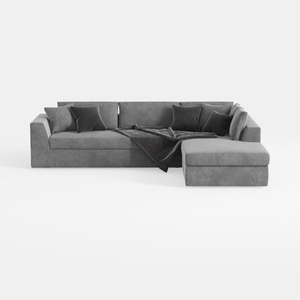
MAKLAINE Contemporary Gray Velvet Down Filled
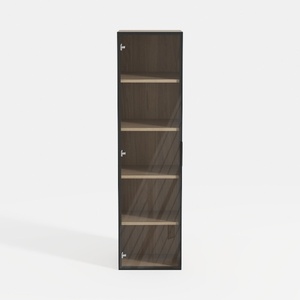
Home Square 5-Shelf Engineered Wood Bookcase Set
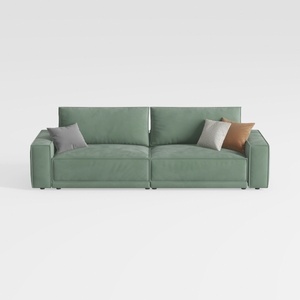
HIFIT 112" Sectional Couches for Living Room- Pull
Homestyler is the go-to online platform for anyone looking to transform their home design ideas into reality. With its user-friendly design tool, stunning 3D renderings, and comprehensive video tutorials, you can confidently create and visualize your dream space, no matter your skill level!
Projete agora para LIVRE
































