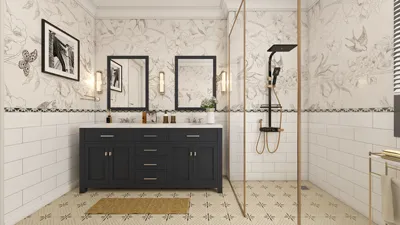


Selecting the appropriate exterior wall color goes beyond just personal preference; it significantly impacts thermal comfort, the way a structure is perceived in relation to its surroundings, and the overall harmony within a neighborhood. In hotter climates, opting for lighter façades can help diminish heat absorption, while in cooler areas, choosing warm mid-tones can provide a comforting visual connection to the environment. Color also shapes the emotional response people have to a home. Research from Verywell Mind indicates that shades of blue promote tranquility, whereas greens symbolize growth and balance—these are attributes that enhance inviting entryways and peaceful patios. Furthermore, studies by Steelcase on workplace environments reveal that color, light, and materials influence mood and behavior, suggesting that these principles apply outdoors as well. Carefully curated color combinations can minimize visual fatigue and improve day-to-day comfort of living spaces. To visualize your designs, using tools like Homestyler can be very beneficial.
Performance features should not be overlooked when considering color. The Illuminating Engineering Society (IES) emphasizes the importance of managing surface reflectance to counteract glare. High Light Reflectance Value (LRV) whites adjacent to significant glass surfaces can lead to discomfort, while opting for soft off-whites and neutral mid-tones can balance reflectance while still allowing natural light to flow in. The WELL v2 guidelines advocate for environments that enhance human comfort, suggesting that well-thought-out exterior color choices can help moderate the contrast of daylight and heat. For more detailed information, you can explore the IES standards at ies.org/standards and WELL v2 guidelines at wellcertified.com.
Color Strategy by Architecture and Climate
The first element I notice on a façade includes its massing, shadow details, roofline, and materials. On flat façades lacking articulation, color serves to introduce depth—using two or three different tones can accentuate trims, eaves, and indentations. In regions with intense sunlight, I recommend high LRV colors (LRV 70–85) such as light ivory, warm alabaster, and pale sand. These colors effectively reflect solar rays, keeping wall temperatures more manageable. In areas with temperate or cooler climates, mid-LRV color ranges (LRV 40–60) like slate blue, forest green, and taupe create a visually warm appearance that pairs nicely with natural materials like stone or cedar. Coastal properties often benefit from muted blues and sea-grass greens, whereas modern inland constructions may thrive with colors like graphite, bone, and greige.
Palette Families That Work
- Soft Off-Whites: Alabaster, cream, and light linen—these timeless hues are versatile, bright, and adaptable across various styles, minimizing glare when slightly warmed.
- Earth Neutrals: Taupe, greige, and clay—these colors ground a structure and help reduce perceived scale, making them suitable companions for natural stone and wood.
- Botanical Greens: Sage, olive, and deep laurel—these shades harmonize with landscaping, calming the visual experience while enhancing biophilic design principles.
- Coastal Blues: Dusty sky, steel blue, navy accents—these colors bring a sense of calm and dignity; lighter shades help regulate heat effectively.
- Charcoal and Graphite: These modern, sharp colors create crisp outlines; they can be used as prominent colors in cooler climates or as accents to prevent excessive heat buildup.
Light, Glare, and Reflectance
The exterior colors interact dynamically with both sunlight and nighttime lighting. High reflectance levels near window areas can lead to visual discomfort during bright sunlight. A balanced color strategy employs a lighter main color, a mid-tone for larger surfaces, and a darker trim to define edges. For porch ceilings, I tend to recommend using a soft blue-gray to both mellow the brightness of the skylight and lessen the stark contrast created with illuminated surfaces. Nighttime lighting fixtures benefit from surrounding mid-tones that help minimize glaring effects, aligning with IES glare control recommendations.
Neighborhood Context and Psychological Cues
I always take the time to walk the street. A subtle shift in local color tones allows a home to stand out while ensuring it doesn't disrupt the neighborhood's aesthetic. Blues convey stability and trust, greens evoke renewal and balance, while warm neutrals express friendliness. This aligns closely with color psychology insights from Verywell Mind, suggesting that a well-balanced mix of cool and warm tones is typically favored by visitors and families, especially when entrances showcase welcoming, slightly warmer hues.
Material Pairings
The choice of color should also respect the texture and finish of the materials used. For instance, off-whites and mid-tone greiges appear rich and consistent against matte stucco. Lap siding can handle slightly darker field colors since the shadow lines provide visual relief. When working with brick, I prefer not to match it exactly but instead contrast it with taupe, bone, or charcoal to enhance clarity. Cedar or Accoya wood looks best paired with muted companions like sage, stone, or soft graphite. For metals like zinc or blackened steel, cool neutrals are a great match; while copper patinas beautifully contrast with deep greens and slate blues.
Accents: Doors, Shutters, and Trim
The entry door is key in establishing the feeling of your home. When subdued palettes are chosen, a vivid door in navy, oxblood, or forest green injects character without overwhelming. Trim should emphasize form, utilizing a color one step darker than the main for subtle distinction, or several shades darker for a sharp modern look. Shutters should ideally have low-sheen finishes to reduce glare; I often recommend making them cooler in tone compared to the main color for a more harmonious effect.
Sun Exposure and Orientation
South and west-facing sides endure the most intense sunlight; therefore, lighter colors minimize heat retention and fading. East-facing façades enjoy gentler morning light, making cool neutrals suitable here. North facades can come off as cold; by warming the palette slightly—using colors like cream or warm gray—you prevent a dreary appearance. Whenever possible, color samples should be tested in various orientations, as the same paint can look different depending on the direction.
Testing, Samples, and Scale
Small paint samples can be misleading. I recommend applying at least 1-2 square meters of two potential colors on different elevations, assessing the results over three days and checking them under midday sun as well as in twilight. Outdoor colors tend to lighten, and mid-tones can appear a shade brighter on larger spaces. If your palette includes any dark accents, always verify their appearance on trim and in corners where light and shadow intersect to catch unexpected contrasts.
Regional Styles
- Mediterranean: Warm whites, sandy tones, and terracotta accents respect the context of stucco and tiled roofs.
- Modern Minimal: Bone, graphite, and blackened steel create sharp lines and play with shadows.
- Coastal Cottage: Soft blues, sea-sage, and white trim with a low sheen help reduce glare.
- Craftsman: Moss green, umber, and cream accentuate woodwork and deep overhangs.
- Mountain Contemporary: Charcoal, slate, and warm taupe provide grounding against stone and timber.
Maintenance, Durability, and Sheen
When selecting colors, it’s crucial to consider how they will withstand weathering. Mid-tone shades tend to conceal dust and pollen better than pure white. Dark colors can show salt and water streaks easily; therefore, they should be used judiciously in coastal climates. Satin or low-sheen finishes minimize glare and enhance texture, while high gloss can be too reflective outdoors except for doors as accents. Using UV-resistant formulas can help limit fading, especially with saturated hues like deep blues and reds.
Layout and Visual Balance Around Openings
Color should effectively frame windows and doors to reinforce visual rhythm. If a façade lacks symmetry, utilizing a somewhat darker base color on the broader mass can balance the visual composition, while lighter shades on narrower sections can prevent a top-heavy effect. During the planning of patio walls and garden edges, I fabricate models to simulate sightlines and movements; using a layout simulation tool, like Homestyler, can assist in visualizing how color flows between outdoor rooms, seating areas, and planting beds.
Seasonal Landscape Integration
Colors should harmonize with the changing seasons—spring greens, summer vibrancy, autumnal warmth, and winter neutrals all play a role. Structures with cool colors can benefit from warm landscape shades (e.g., burnt orange, burgundy leaves), while warmer façades appreciate the freshness offered by blue-green plants. Regions that receive heavy snowfall tend to favor mid-tone façades, which maintain their definition even in whiteout conditions.
My Shortlist Palettes
- Warm Coastal: Field—pale sand; Trim—bone; Door—navy.
- Woodland Calm: Field—sage; Trim—warm cream; Door—oxblood.
- Urban Modern: Field—graphite; Trim—stone gray; Door—teal.
- Sunbelt Bright: Field—alabaster; Trim—taupe; Door—forest green.
FAQ
Lighter hues with high LRV, such as soft off-whites and pale sands, effectively reflect solar energy, helping to maintain wall temperatures and lessen thermal stress.
Opt for warm off-whites with a subdued sheen and complement them with mid-tone accents near large glass panels. The IES recommends this approach for managing reflectance and glare.
Choosing a neutral base with a single saturated accent—commonly on the front door—strikes the right aesthetic balance. Shades of blue and green are generally perceived as inviting and stable.
Indeed, dark saturated tones absorb more UV radiation and heat, which can hasten fading. Using UV-resistant products is advisable, and keeping dark colors to smaller areas or cooler locales is recommended.
The south and west facades experience more intense sunlight, making lighter colors preferable. North sides may appear cooler; a slight warm adjustment is beneficial here. Always test colors in each direction before finalizing decisions.
Low sheen or satin finishes help manage glare while concealing surface imperfections. Gloss can create dramatic effects on doors but tends to be unforgiving on larger expanses.
Complementary plantings can help balance temperature differences: warm façades work well with blue-green foliage, while cooler tones benefit from warm-colored plants that exhibit auburn and golden hues.
Desaturated blues might appear cool in shaded areas; warming them up with cream trim, wooden accents, or a warmer entry door color can maintain comfort levels.
A greige or taupe base with stone-gray trim translates well across brick, wood, and metal. Highlighting doors in forest or navy provides character without clashing.
Opt for desaturated, mid-tone neutrals; they tend to hide dirt better and date more gracefully. Always use large swatches for testing and assess them under different lighting conditions.


Discover the ease of home design with Homestyler! This user-friendly platform boasts a powerful online design tool, stunning 3D rendering, and a wealth of design projects and video tutorials. Whether you're a beginner or a pro, bring your interior vision to life effortlessly!
Projete agora para LIVRE
































