

Cold weather doesn't have to disrupt your home's coziness, as long as you select a heater that is appropriate for your room size, your daily routines, and safety considerations. From my experience in optimizing thermal comfort for both residential and small office environments, choosing the right Sujata room heater hinges on more than just high wattage. It's crucial to consider factors such as the type of heat, airflow, noise levels, and safety attributes that align with your lifestyle. Achieving thermal comfort is vital for your well-being; the WELL Building Standard suggests maintaining operative temperatures between 20–23°C (68–73°F) and ensuring controlled airflow for optimal comfort, with humidity levels ideally between 30–60% to mitigate dryness and static electricity (WELL v2 Thermal Comfort). Moreover, findings from Herman Miller indicate that environmental factors such as temperature, noise, and lighting significantly impact task performance and satisfaction, underscoring the fact that your comfort choices can directly influence productivity in remote work scenarios.
Heat is just one part of the comfort puzzle; the interaction between air and surfaces also plays a vital role. Research by Steelcase on workplace environments reveals that quiet, draft-free spaces enhance focus. While fan-forced heaters can provide quick warmth, they might introduce airflow and noise. Conversely, radiant heaters offer silent, concentrated warmth, making them perfect for reading spaces or bedrooms. In terms of lighting, the Illuminating Engineering Society (IES) advocates for warm-white lighting (2700–3000K) in relaxing areas. This same concept applies to visual comfort around heaters: avoid glare from any glowing parts and choose lamps that emit a warm light to create a cohesive and calming nighttime atmosphere. These insights aid in making practical choices: select a heating type based on room dimensions and how you intend to use the space, and then adjust for ideal acoustics, lighting comfort, and safety.
Understanding Key Heater Types and Their Comfort Levels
I categorize compact electric heaters into four distinct experience profiles that correspond well with Sujata’s popular formats:
If your room layout is intricate—for instance, an L-shaped studio that includes a sleeping nook—it's wise to experiment with different heater placements before finalizing your decision. Utilizing a user-friendly interior layout planner can assist you in visualizing optimal locations near electrical outlets while keeping them away from curtains. I frequently sketch various options followed by a brief 15-minute warm-up trial to observe how the heat circulates. For digital designs, consider using a room layout tool like Homestyler to simulate different heating zones.
Corresponding Wattage to Room Dimensions
A handy guideline for electric heating is to allocate roughly 10 watts per square foot (107 W/m²) for standard insulation with 8–9 foot ceilings. In rooms with poor insulation or those located adjacent to doors, consider increasing this by 15–25%. Here are some practical heater-room pairings:
Bedrooms typically benefit from quieter heater types like oil-filled or convection units. In contrast, living spaces can accommodate more noise from fans due to the need for quick heating. If your home office situation requires extended hours of work, consistent heat coupled with low noise is generally best for maintaining focus.
The Intersection of Comfort, Acoustics, and Lighting
Comfort encompasses multiple senses. In bedrooms, I aim for a background noise level under 35 dBA; many ceramic fans operate at 40–50 dBA on low, which is acceptable in living rooms but can be intrusive at night. Opt for heater models that feature multiple fan speeds. For nighttime settings, combine warm ambient lighting with heaters that possess dim or absent indicator lights to eliminate glare. Maintaining humidity levels within the WELL parameters (30–60%) is crucial to avoid dryness—especially prevalent with fan-forced heating; a small humidifier can help retain moisture without sacrificing warmth.
Essential Safety Features You Shouldn't Overlook
Trustworthy safety features are crucial for portable heaters. Prioritize the following:
Ensure heaters are positioned at least 3 feet away from curtains, bedding, or any furniture. Avoid placing them on plush carpets that may trap heat underneath; a sturdy, flat surface is most suitable. Never daisy-chain power strips; always plug directly into a wall outlet.
Understanding Energy Use and Managing Costs
Electric heaters typically convert about 100% of energy input into heat at the point of use. The key factors you can control are the duration of operation and wattage. For instance, a 1500 W heater running for 4 hours will consume approximately 6 kWh; at a rate of $0.12 per kWh, this amounts to roughly $0.72 in usage cost for the evening. Implementing smart strategies is more effective than high wattages: preheat the room for 10–15 minutes and then maintain the temperature at the lowest comfortable setting. In smaller rooms, a 1000 to 1200 W unit may provide adequate warmth more efficiently than a higher wattage unit with more cycling.
Choosing the Right Sujata Format for Your Space
Here's how I align different heater formats with room behavior:
If your layout involves open shelving or tall curtains, create a mock-up of the heater's footprint to prevent blocked airflow or unsafe clearances. Utilize an interior layout planner, like Homestyler, to explore various positions before making a final decision.
Indicators of Material and Build Quality
Look for heaters with sturdy bases, metal intake grilles (which are less likely to warp), and adequately vented rear panels. Controls should feel solid with firm detents, as unsteady knobs may indicate poor quality. A fine-mesh dust filter on intakes can enhance performance in homes with dust issues. For oil-filled heaters, check for welded fins with smooth seams and a built-in cord wrap for safe storage.
Considering Ergonomics and Usage Patterns
I favor heaters that offer top-mounted, angled controls, as this design allows for easy visibility without needing to bend down to adjust settings. A clear thermostat display (or a digital readout) helps avoid the too-hot/too-cold scenario. Handheld units that balance their weight closer to the center minimize wrist strain during repositioning.
Aesthetic and Visual Integration
In smaller spaces, opting for a matte, warm-neutral heater (like taupe or charcoal) seamlessly blends into the environment, enhancing overall rhythm and proportion. According to Verywell Mind, warm tones create a cozier vibe, while contrasting elements tend to attract attention; thus, a low-contrast finish helps the heater merge with your furniture and reduce visual distractions. Additionally, keep power cables tidy to maintain a well-balanced spatial appearance.
Ensuring Maintenance and Longevity of Your Heater
It's advisable to clean the dust from intake grilles monthly, as obstructed grilles can hinder airflow, elevate internal temperatures, and trigger overheat protection mechanisms. When storing heaters during off-peak seasons, keep them in a dry area, coiling cords loosely to prevent kinks. For oil-filled radiators, occasional wipe-downs will preserve thermal efficiency by maintaining clean fin surfaces.
Quick Pre-Purchase Checklist
Frequently Asked Questions
For effective quiet heating during sleep, consider an oil-filled radiator operating between 1200 to 1500 W with a thermostat to ensure a comfortable environment without fan noise.
Radiant heaters are ideal for stationary activities as they directly warm individuals while operating silently. If the space overall is cold, a low-speed ceramic fan can help raise the ambient temperature more rapidly.
To maintain optimal comfort, keep humidity levels between 30–60%, in line with WELL v2 recommendations. Using a small humidifier, keeping doors shut to trap moisture, and avoiding prolonged high fan speeds will help achieve this balance.
You may use a heater overnight only if it includes tip-over and overheat protection and is placed correctly on a stable hard surface with adequate clearance. Oil-filled radiators tend to be favored for overnight heating due to their steady, fan-free warmth.
At a cost of $0.12 per kWh, a 1500 W heater approximately incurs $0.18 per hour of usage. Thus, running it for four hours totals around $0.72. To minimize costs, utilize lower settings or thermostats effectively to limit runtime.
The required heating capacity will depend on room size and insulation quality. For spaces over 250 square feet, consider employing multiple smaller heaters positioned to minimize cold zones, or alternatively, use a primary heating source with a portable unit to warm seating areas.
If you're sensitive to noise, aim for units operating under 35 dBA. Oil-filled and convection heaters typically run almost silently; however, many ceramic fans may be noticeable in quiet environments.
Position the heater near the occupied area, avoiding door drafts and window spaces where cold air may seep in. Ensure a 3-foot clearance from fabric items and keep air intakes unobstructed. Testing several positions can significantly boost comfort levels; sometimes, small adjustments can make a big difference. A layout simulation tool, like Homestyler, can help you visualize placement before installation.
Visually, yes. Neutral, matte finishes blend seamlessly with home interiors, minimize visual clutter, and keep the focus on your furniture and lighting. Functionally, darker matte surfaces may show dust more readily; thus, maintenance considerations should be factored into your selection.
Utilize oscillation on ceramic fans for even air mixing, or operate two lower-wattage units in larger spaces. Ensure furniture is not obstructing airflow, and consider using convectors for smoother temperature gradients.
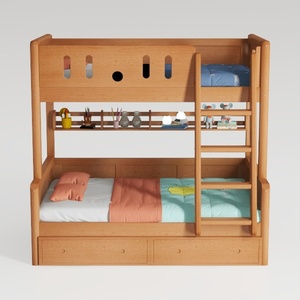

Merax Wood Bunk Bed with Drawers,Convertible Wood
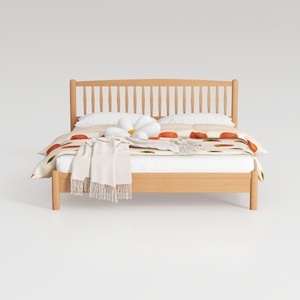
Oedim Testiera per Letto in PVC Imitazione Legno Mandala, 100 x 60 cm, Plastica, Colori, 100X60CM
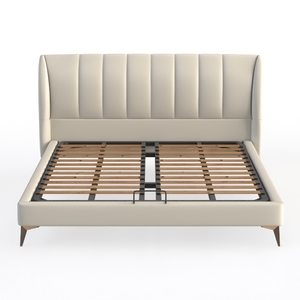
Queen Size Bed Frame with Fabric Upholstered
Homestyler is your go-to online home design platform! With its easy-to-use design tool, stunning 3D renderings, and a wealth of DIY video tutorials, you can effortlessly bring your home design visions to life. Start creating your dream space today!
Projete agora para LIVRE
































