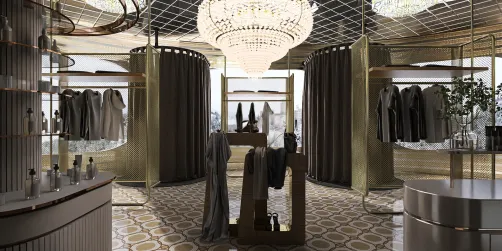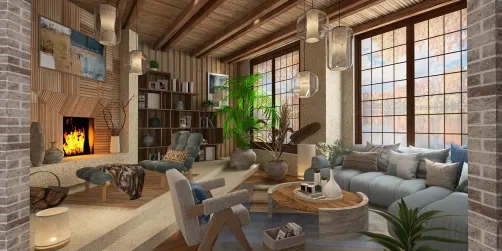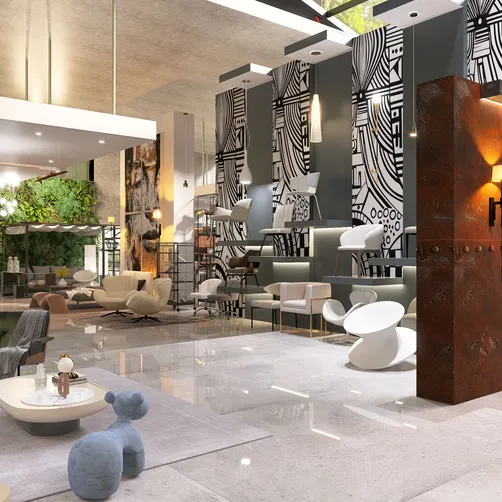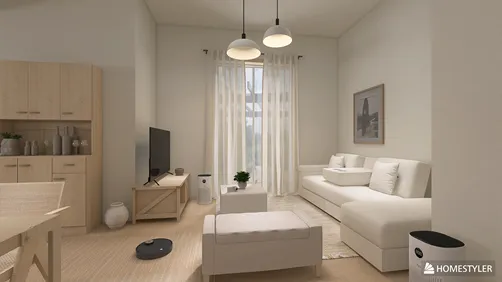
In Mumbai, where space is a premium and life moves quickly, every square foot holds significance. This necessity makes a thoughtfully designed cloak room a pivotal element—optimizing daily routines, safeguarding belongings from Mumbai's heat and humidity, and reducing entryway mess. I have crafted numerous compact storage solutions throughout the city, from historic flats to contemporary skyscrapers, and the most effective designs harmoniously integrate security, airflow, user comfort, and aesthetic tranquility, often enhanced by tools like Homestyler for layout planning.
My methodology is informed by two critical insights: research by Steelcase indicates that excessive visual clutter can elevate cognitive strain and diminish productivity, making organized and hidden storage essential not just for beauty but for functionality. Additionally, WELL v2 emphasizes managing thermal and humidity levels to ensure comfort and prolong the life of items—particularly vital during Mumbai's monsoon season—by advocating for design techniques that sustain healthy indoor air quality. By applying these principles to cloak room designs, I aim to create spaces that are not only more efficient but also visually appealing and durable. To visualize layouts and streamline traffic patterns, I frequently use a room layout tool, including the features offered by Homestyler, to finalize circulation plans before any construction begins.
Establishing the Purpose of Your Cloak Room
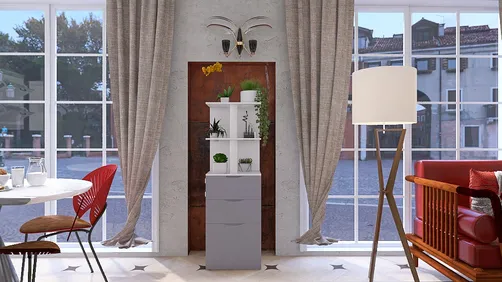
In Mumbai, a cloak room generally fulfills four primary functions: daily apparel drop-off, guest outerwear storage, secure storage of valuables, and seasonal overflow. In tight living spaces, I prefer to merge two or three of these roles into one. For example, a 4'×6' alcove near the entrance can accommodate a compact bench with a lift-top for shoe storage, a streamlined wardrobe for monsoon attire, and a well-ventilated cabinet for bags and helmets. By aligning these functions with usage patterns—such as weekday versus weekend, guest versus family—you can prevent congestion at the entrance and maintain a tidy sightline.
Dimensions, Clearance, and Flow
In small areas, precise clearances become crucial. As a general guideline, ensure a minimum aisle width of 900 mm (36 inches) for two-way passage near the entryway. If cabinetry occupies one wall, an 800 mm (31.5 inches) clearance is adequate for low-traffic situations. I typically maintain storage depths of 350–450 mm (13.8–17.7 inches) for coats and bags, and 280–320 mm (11–12.6 inches) for shoes. In cases where doors swing into cramped sections, I opt for pocket doors or full-height sliding solutions. Before finalizing any designs, I frequently simulate various alternatives with an interior layout planner to assess door movements, bench specifications, and areas designated for strollers and helmets.
Humidity, Ventilation, and Material Choices
Mumbai's humidity can damage leather goods, cause wood to warp, and promote mildew growth. I select marine-grade plywood or high-density MDF with water-resistant finishes for cabinetry, and employ powder-coated aluminum for shoe racks and pull-outs. Options like perforated cabinet backs or louvered doors facilitate airflow; pairing with silica gel packets or a concealed dehumidifier is advisable during monsoon season. WELL v2 advocates for moisture management and hygienic surfaces—prioritizing non-porous laminates, sealed edges, and surfaces that are easy to clean will enhance durability and indoor cleanliness.
Effective and Calming Lighting
Comprehensive lighting not only prevents searching through clutter but also contributes to a tranquil entryway atmosphere. I aim for ambient lighting between 200–300 lux and 300–500 lux in cabinets upon door opening, utilizing integrated LED strips that emit warm-neutral light at 3000–3500K to avoid harsh brightness. Following IES guidelines for residential task lighting, even vertical illuminance can minimize harsh facial shadows, facilitating mirror checks before leaving. I conceal motion sensors so that cabinet lights activate hands-free—especially useful when juggling umbrellas and bags. Maintaining a low Unified Glare Rating (UGR) keeps glare manageable in tight spaces.
Ergonomically Designed for Accessibility
When designing, consider user interaction first. Hooks for everyday use should be positioned between 1200–1400 mm (47–55 inches) for most adults, while children’s hooks should be at 900–1100 mm (35–43 inches). Shoe pull-outs placed 300–500 mm (12–20 inches) from floor height minimize bending, and a bench height of 420–460 mm (16.5–18 inches) facilitates comfortable lace-tying. I ensure practical catch-alls for small necessities such as keys and sunglasses are placed between 950–1100 mm (37–43 inches) to align with natural reach. Incorporating soft-close hardware decreases noise and wear during frequent use.
Impact of Color and Visual Serenity
In constrained entries, color influences behavior significantly. Choosing cooler neutral shades with warm undertones—like mushroom, sand, or pale greige—creates a bright feel without glare. To enhance mood before heading out, I might introduce a desaturated teal niche or a muted terracotta drawer; these colors are linked to calmness and stability. Keeping high-chroma accents limited helps minimize visual clutter. Opting for matte finishes over gloss can also conceal fingerprints in high-contact areas.
Enhancing Acoustic Comfort
Hard surfaces can amplify sounds significantly, so I line the inside of cabinet doors with thin acoustic felt, utilize rubber bumpers, and select soft-close hinges. A non-slip runner rug combined with a fabric pinboard can reduce sound reverberation while adding utility. Making small adjustments for acoustics is especially important in compact homes where the entryway is close to living areas.
Types of Storage Maximizing Capacity
Top shelves: use labeled bins for out-of-season clothing; Middle shelves: store frequently used coats and bags; Lower shelves: designated for shoes and small accessories. Adjustable shelves every 32 mm allow for flexible organization as life evolves.
Utilize 100–150 mm (4–6 in) trays for items like umbrellas, shoe care supplies, and rain gear; perforated materials allow for proper airflow and drying.
Incorporate a compact digital lockbox for storing passports, spare keys, and other essentials; this is far more secure than leaving items unattended in plain sight.
Designate individual cubbies for each family member to avoid clutter; discreet labels help promote organized behavior without over-communication.
Monsoon-Resistant Design Elements
I incorporate a grated shoe deck designed over a shallow drip tray outfitted with removable ABS pans. Adding a foldable wall-mounted drying rod for wet garments and a concealed tray for umbrellas near the entrance completes this functional space. For closed cabinets, ventilated compartments with a low-wattage fan assist in expelling humid air.
Security Without Being Overbearing
Opt for discrete digital locks equipped with flush escutcheons and interior charging ports for convenience. For buildings with staff or frequent deliveries, a micro-compartment accessible from the corridor (pass-through hatch) can securely accept parcels without fully opening up the main entry, a feature I have successfully integrated in several apartments across South Mumbai to promote cleanliness and safety in high-traffic areas.
Small-Space Aesthetic Suggestions
Incorporate mirrors to enhance visual space; I prefer placing mirrors on the insides of doors if the corridor is adequately bright, or on a single panel to avoid disorienting effects. Maintaining a consistent metal finish—like brushed nickel or black—across all hardware fosters unity in design. A narrow shelf or rail above the bench can provide space for decor while keeping the entry free of clutter.
Budgeting and Phased Implementation
Commence with the core framework: shell structure, ventilation provisions, and lighting channels. In the second phase, integrate organizers and specialty hardware. Focus first on moisture-resistant materials and motion-activated lighting; aesthetic enhancements can be addressed later. For rented properties, consider modular solutions like freestanding wardrobes and narrow shoe cabinets, combined with removable hooks, and add a compact dehumidifier during monsoon periods.
Maintenance Schedule
Quarterly tasks include cleaning seals, draining drip trays, and refreshing desiccants. Every six months, inspect and tighten hinges, clean LED channels, and ensure silicone edge seals are intact. During monsoon seasons, it is beneficial to leave cabinet doors ajar for an hour each day or activate a dehumidifier cycle to mitigate mildew risks, especially behind back panels.
Essential Planning Checklist
Frequently Asked Questions
A compact 4'×6' (about 1.2×1.8 m) area can be utilized effectively by planning for vertical storage, a slim bench, and sliding doors. Ensure at least 800–900 mm of aisle clearance for ease of movement.
Aim for an ambient illumination of 200–300 lux and inside cabinets, 300–500 lux. Using 3000–3500K LEDs will maintain flattering tones and minimize glare in confined areas.
Incorporate ventilated doors or perforated backs, include desiccant packs or a compact dehumidifier, and design a grated shoe area with drip trays. Regularly open cabinet doors to promote air circulation.
Materials should include marine-grade plywood or high-density MDF with water-resistant laminations for main structures, powder-coated aluminum for racks, and ABS for wet storage solutions. Seal all exposed edges for durability.
Absolutely! You can integrate freestanding narrow wardrobes, modular shoe cabinets, adhesive or over-the-door hooks, and battery-operated motion activate lights, along with a portable dehumidifier to manage moisture without permanent installation.
Utilizing soft neutral colors like mushroom, pale greige, or warm gray with low-contrast trims can enhance the perception of width. Adding a single muted accent in teal or terracotta introduces character without overwhelming the aesthetic.
Employ small digital lock boxes within cabinets to secure items such as passports and extra keys, or include lockable inner drawers. Opt for flush hardware to maintain a clean exterior look.
Install hooks at heights of 1200–1400 mm for adults, 900–1100 mm for children; benches should be at 420–460 mm; shoe pull-outs positioned 300–500 mm above floor level; key trays located around 950–1100 mm for easy access.
Certainly—integrated cabinet lighting is effective in reducing shadows within deep shelving, which is particularly beneficial during early morning routines and late evenings.
To address noise, incorporate soft-close hinges and runners, utilize felt pads behind cabinet fronts, and lay down a runner rug in the corridor to minimize footfall noise and reverberation.
Using a room layout tool like Homestyler allows you to digitally prototype and assess clearances, door operations, and storage volumes. This approach is an economical and effective measure before any fabrication begins.

Homestyler is your go-to online home design platform! With an easy-to-use design tool, stunning 3D renderings, and inspiring DIY video tutorials, you can transform your space effortlessly. Whether you’re a beginner or a design pro, Homestyler helps bring your ideas to life!