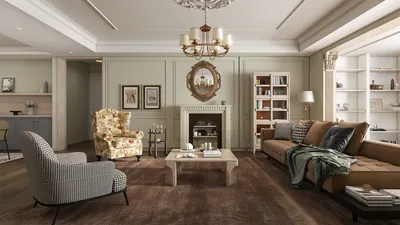


One of my clients once envisioned their living room mirroring a "beach wedding at sunset," complete with turquoise walls, golden sparkles, and a seashell-shaped chandelier. After some discussion, I directed them towards a more subdued design, maintaining a hint of shimmer while learning a valuable lesson: small spaces thrive on coastal color schemes with the right balance of hue, texture, and luminosity. Even compact areas can inspire vast creativity, and I’m excited to share five effective coastal paint suggestions I've successfully utilized in actual design projects, enhanced with insights using the Homestyler tool.
1. Gentle Sea Glass Green
Sea glass green embodies a light, subtly blue-tinted green that feels fresh and airy. I applied it in a small living room, accentuated with white trim and light oak flooring—this choice visually enlarged the area and harmonized splendidly with rattan details. The caveat: under northern light, this shade may appear frigid, so balance it with warm textiles or wooden finishes.
save pin
2. Warm Undertone Driftwood Gray
Driftwood gray delivers a chic coastal ambiance without being overly thematic. In a recent project, I combined it with cream moldings and blue-gray cushions; it anchored the space and effectively masked everyday wear and tear. The key is to select the right undertone—too cool can give an industrial edge, while too warm can stray from the coastal essence.
save pin
3. Soft Sky Blue for an Accent Wall
Choosing a soft sky blue for an accent wall introduces depth without requiring a full-room commitment. I suggest placing it behind a sofa or entertainment area to attract attention. This color is forgiving and brightens up spaces, but I recommend steering clear of highly saturated blues in small rooms unless you aim for a bold statement.
save pin
4. Serene Sand and Oyster Neutrals
Opting for sand or oyster neutrals creates a peaceful backdrop compatible with nearly any coastal decor. I once revitalized a cramped flat by painting it in an oyster tone, then incorporating textures like linens and seashells—resulting in immediate tranquility. While these neutrals offer versatility, they can appear flat without the inclusion of texture or contrasting trim.
save pin
5. Vibrant Coral Accent
For clients seeking personality, a coral accent—used judiciously—infuses warmth reminiscent of sunsets into the palette. I often suggest applying coral on a bookshelf background or as a single door accent. It's lively and whimsical, but should be used sparingly to avoid overpowering the serene coastal atmosphere.
save pin
Tips 1:
Tip: Always try out paint samples on various walls, examining them in morning and evening light. For layout mockups and visualizing palettes within your actual room, consider using platforms like Homestyler to preview colors on your walls and furnishings.
save pin
FAQ
Q: What are the top coastal paint colors recommended for small living rooms? A: The best choices include soft sea glass green, driftwood gray with warm undertones, pale sky blue, sand/oyster neutrals, and coral accents.
Q: How can I select the right undertone in coastal gray and beige shades? A: It’s essential to test samples in natural light and match them with your primary materials like wood, fabric, and flooring to see which undertone fits best.
Q: Should all walls be painted the same color? A: Not necessarily; utilizing an accent wall or different shades can lend depth to smaller areas without making them feel cramped.
Q: How does light exposure influence coastal paint selections? A: The direction of light significantly alters color perception—north-facing spaces typically require warmer coastal tones to prevent a cool, gloomy appearance.
Q: Is it possible to mix warm woods with coastal color schemes? A: Absolutely! Warm woods enhance the coziness of coastal designs; pairing driftwood gray or sandy neutrals with oak or teak can create balance.
Q: What finishes should I select for coastal living rooms? A: Eggshell or satin finishes work best—they offer a slight sheen for durability without appearing overly glossy.
Q: How can I preview colors before applying them? A: Utilize trusted visualization tools; for example, Homestyler allows you to apply different paint colors and visualize them within your space prior to making any commitments.
Q: Where can I find authoritative resources on color and light? A: For scientific research and standards related to light and color perception, refer to the International Commission on Illumination (CIE) at https://cie.co.at.
save pin
Looking to transform your home? Try Homestyler! This user-friendly online design platform offers a fantastic design tool, stunning 3D renderings, a wealth of design projects, and helpful video tutorials. Unleash your creativity and make your dream space a reality with ease!
Projete agora para LIVRE
































