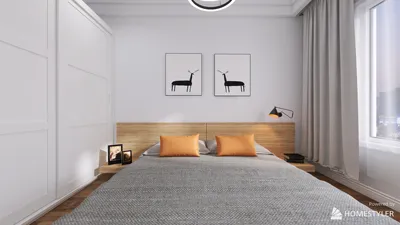


Over the past ten years, I have observed remarkable interiors blossom from engaging conversations. The quickest advancements take place when clients, friends, or design teams can visualize ideas collectively, react in context, and make adjustments effortlessly. For this type of collaborative effort, Homestyler has become my preferred platform—where design visualization, spatial planning, and product selections coexist, accessible to everyone involved.
Collaboration is not merely a buzzword; it directly influences measurable outcomes. Research from Gensler indicates that teams who visualize and iterate together report enhanced effectiveness in project decisions. Steelcase also documents that sharing visual information clearly improves alignment during design processes and decreases unnecessary revisions. Moreover, the WELL v2 framework highlights easy communication and user input as essential components of a human-centered design, while IES lighting standards emphasize how effectively presented visuals can minimize misunderstandings of colors and finishes. These insights reinforce the straightforward observation I witness daily: real-time, shared visual context can avert expensive blunders.
Choosing colors can significantly impact satisfaction levels. Research highlighted by Verywell Mind on color psychology suggests that warm shades can be invigorating while cool tones foster calmness and focus—important distinctions when designing spaces like living rooms compared to bedrooms. Involving clients in a shared model, enabling them to experiment with materials, change color options, and visualize lighting scenarios helps anchor feedback in the reality of how the space will actually feel, rather than just what a static moodboard conveys.
Collaborate in Real Time
During design sessions, I encourage clients and collaborators to engage with a live model, allowing everyone to explore the same environment, provide context-specific feedback, and experiment with alternatives within minutes. The process of swapping out a sofa, modifying a traffic flow, or testing a different finish turns into a collaborative decision rather than an extended email exchange. For example, when rearranging a living room, I utilize an interior layout tool alongside the group to refine seating arrangements, taking into account sightlines, conversation areas, and flow. This tool enables us to simulate dimensions, proximity, and open spaces without committing to a single design path.
interior layout tool
From Initial Concepts to Visual Renderings
Clients and friends often arrive with fragmented ideas: a chair they adore, a color they wish to explore, or a rough sketch. I gather these elements into a cohesive spatial narrative and then create variations—comparing daylight to evening, matte to glossy, or warm to neutral—allowing us to analyze in a like-for-like manner. Utilizing consistent camera angles and lighting parameters results in efficient and equitable comparisons. Additionally, I maintain a change log in the comments section, ensuring the team is updated on what has been modified and why.
Establish Clear Spatial Logic
Effective collaboration requires a solid framework. I begin with spatial ratios: key pieces generally take up 30-40% of the main space, allowing 36-42 inches for primary pathways and 18-24 inches for secondary movement. Ideal seating arrangements form conversation triangles around 7-10 feet apart to encourage intimacy while ensuring comfort. As we collaboratively refine a plan, I highlight these proportions, so participants have clear visuals of what ‘too cramped’ looks like. This approach results in a design that feels intuitive even before any finishes are selected.
Lighting That Enhances Decision-Making
Lighting greatly affects how colors are perceived and overall comfort. For living and dining areas, I aim for an ambient light level of 200-300 lux, with task lighting reaching 500 lux for reading or preparation. Bedrooms typically sit comfortably at 100-150 lux with warm lamps around 2700-3000K to encourage relaxation. Workspaces benefit from 4000K task lighting to maintain clarity without glare. While co-designing, I provide rendering passes that reflect these levels, point out potential glare issues on shiny surfaces, and incorporate dimmable options to alleviate conflicts for multi-use areas. This keeps our feedback rooted in realistic settings instead of overly bright renders that may misrepresent the outcomes.
Material Selections, Acoustics, and Everyday Life
When designing in groups, I emphasize selecting materials that perform as well as they appear. If a friend is enthusiastic about terrazzo for an open living-kitchen space, I balance it with acoustic enhancements—high-density rugs, fabric-wrapped panels behind sofas, felt baffles, or strategically placed bookshelves as sound diffusers. Kitchens and entryways require surfaces that are durable and easy to maintain, while bedrooms should focus on tactile comfort and low-VOC finishes. We also consider maintenance needs: sealed oak versus lacquered surfaces, porcelain tiles with anti-slip features for busy areas, and textiles rated for high durability when children or pets are involved.
Understanding Color Psychology Within Shared Spaces
Discussions around color can hinder progress. I shape these discussions by linking them to function and behavior: warm neutrals and subtle terracotta tones for lively areas, cool muted blues or blue-greens for restful zones, and mid-tone greens that promote balance in multifunctional spaces. In creative nooks, a vibrant accent color (occupying 10-15% of wall area) can inspire creativity without being overpowering. By previewing these color schemes in context with actual furniture and lighting, clients feel empowered to participate rather than merely guess.
Ergonomics and Human-Centric Design
Typical seating should have a height of 17-19 inches, with tables at 28-30 inches and desks around 29 inches, combined with adjustable chairs and properly positioned monitors, ensuring the top third is at eye level—these are essential standards for preventing fatigue, especially when the space also serves as a workspace. Additionally, I map out weekly routines: where does reading take place, where will power outlets be needed, where to drop bags, and where to host movie nights? This aids in determining the layout for side tables, outlets, dimmer switches, and acoustic barriers. The most effective collaboration occurs when everyday activities shape project requirements.
Streamlined Feedback Processes
To maintain project momentum, I set up a systematic process: gather feedback, implement changes, and share an updated version featuring before-and-after views. Any discrepancies (related to budget, timelines, or design preferences) are quickly addressed—whether by swapping similar SKUs, phasing purchases, or anchoring around a timeless base palette while adding trendy accessories. This strategy keeps clients engaged and prevents stalling over individual items.
When to Finalize the Design
Exploration should eventually reach a saturation point. I finalize designs when aspects such as circulation, storage needs, and lighting arrangements are established, confirmed by at least two rendering passes that showcase material compatibility under varying lighting conditions. From that point onwards, adjustments are limited to practical procurement challenges or unexpected site conditions. Clearly defined milestones help safeguard both budgets and relationships.
Trusted References for Collaborative Design
Establishing shared benchmarks aids non-designers in grasping the rationale behind decisions. I keep guidelines from WELL v2 on human-centered design and IES lighting standards readily accessible to ensure choices are grounded in solid evidence rather than personal preference. These resources clarify the justification for selecting specific finishes or lighting temperatures suitable for particular activities.
WELL v2
Getting Started with Friends on Homestyler
- Begin with a straightforward brief: identify functions, mood descriptors, essential items, and limitations.
- Create two layout concepts and critique them collectively using the interior layout planner—shift anchor points first, and decorative elements afterwards.
- Develop a small material library for each option: include 1–2 flooring selections, 2–3 upholstery fabrics, a metal finish, and a wood tone.
- Render both daytime and nighttime scenes at consistent camera angles, noting lux targets and color temperatures.
- Document decisions within comments, then lock in the design for procurement.
FAQ
Having everyone assess the same 3D model significantly reduces misunderstandings. Steelcase’s studies on workflow indicate that shared visual materials enhance alignment and accelerate consensus, leading to fewer alterations in the later stages of design.
Aim for a lighting ambient level of 200-300 lux, layered with 500 lux for task purposes such as reading or hobbies. Maintain color temperature around 2700-3000K for warmth, avoiding excessive brightness that could misrepresent finishes.
Keep pathways clear with a measurement of 36-42 inches and ensure large furniture occupies no more than 30-40% of the total floor area. Whenever possible, float seating to promote clean circulation.
Generate two palette options and evaluate them under identical lighting and camera angles. Start with a neutral base and then swap accent colors to allow for a comparative feel instead of focusing on composition alone.
Hard surfaces tend to amplify noise. Balance this effect with rugs, soft furniture upholstery, bookcases designed as diffusers, and gentle window treatments. In kitchens adjacent to living areas, adding acoustic panels or felt baffles can help mitigate noise levels.
Ensure desk surfaces are approximately 29 inches high with adjustable seating, position monitors at eye level, utilize task lighting set at 4000K for clarity, and provide seating at a height of 17-19 inches for ergonomic comfort during extended use.
Finalize circulation paths, storage capacities, and lighting structures, ensuring materials pass visual checks for both daytime and nighttime scenes. Designate this as a milestone and modify only for procurement constraints or discovered site conditions.
Absolutely—establish a cohesive foundation (flooring, primary upholstery, metal/wood combinations), and permit friends to select accents and artwork later. This maintains design integrity without sacrificing spatial coherence.
Implement purchasing phases: prioritize significant anchors (like a sofa, dining table, or light fixtures) while rotating in trendy items periodically. Present comparable alternatives side-by-side to keep the project progressing smoothly.
Referring to WELL v2 for principles rooted in human-centered design and IES lighting guidelines for appropriate brightness levels and glare management is beneficial. Evidence-based frameworks will help guide collective decisions effectively.
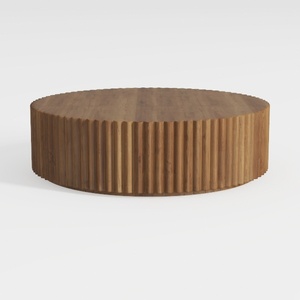
Oval Drum Coffee Table Brown Oval Fluted Coffee
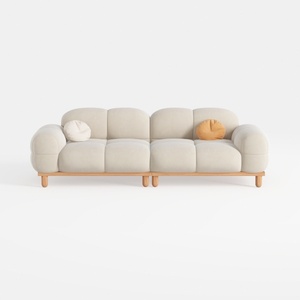

SSC SATISUNCASA 88.58" Modern Curved Sofa Couch, J
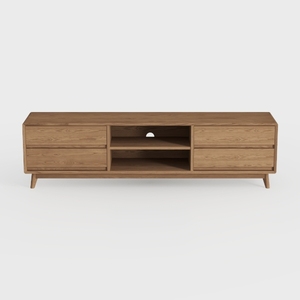
OKD TV Stand for 75+ Inch TV, Mid Century Modern
Homestyler is your go-to online home design platform. With an intuitive design tool, stunning 3D renderings, and a wealth of DIY video tutorials, it empowers you to create your dream space effortlessly. Perfect for anyone looking to transform their home!
Projete agora para LIVRE
































