

Conclusion
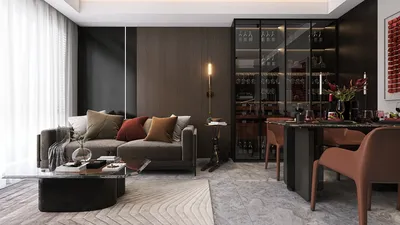
African Style and Bohemian Style present two distinct yet often confused aesthetic paths, each rooted in rich cultural heritage but differing in execution and atmosphere. African Style commands with bold tribal patterns, earthy tones, and sculptural forms, offering a grounded yet dynamic environment. Bohemian Style embraces a carefree fusion of eclectic elements, vibrant colors, and layered textures, cultivating a relaxed, artistic vibe. The core challenge lies in choosing between the structured cultural resonance of African motifs and the unconventional, free-spirited essence of Bohemian arrangements. This decision hinges on your desired ambiance—whether you seek grounded authenticity or expressive eclecticism.
Style A Deep Dive
African Style is defined by its deep connection to the continent’s diverse cultures, expressed through artisanal craftsmanship, earthy palettes, and symbolic patterns. Core features include warm terracotta, ochres, and rich browns, complemented by natural materials such as wood, leather, and woven fibers. Iconic elements are tribal prints, mask sculptures, and handcrafted furniture that emphasize geometry and texture. Suitable for interiors aiming to evoke an organic warmth and cultural statement, this style thrives in spaces that balance minimalism with impactful art pieces. Its limitations may arise if overused, risking a stereotypical portrayal or overwhelming a room with heavy textures and patterns. To integrate effectively, focus on mixing natural elements with clean lines and allowing negative space to enhance the accents.
Style B Deep Dive
Bohemian Style, by contrast, celebrates individuality and unconventional layering. This aesthetics leverages a vibrant color palette that includes jewel tones, mixed prints, and handmade textiles. The style encourages juxtaposition—mixing vintage pieces with global finds, lush plants with worn rugs, and soft pillows with weathered wood. Spaces designed in this spirit tend to feel casual, immersive, and endlessly personal, ideal for those who favor creativity over conformity. Bohemian decor suits eclectic living rooms, artist studios, or any cozy nook that thrives on texture and color variability. However, challenges arise in maintaining visual harmony; careless accumulation can lead to clutter, diluting the intended artistic flair.
Head-to-Head
Color: African Style utilizes grounded earth tones—burnt sienna, clay, ebony—rooted in nature and tradition. Bohemian Style prefers a kaleidoscope of vibrant hues—turquoise, magenta, mustard—blending freely with neutrals. Material: African interiors embrace natural fibers, carved wood, leather, and textiles featuring bold patterns. Bohemian interiors thrive on layered fabrics, woven throws, rattan, and repurposed vintage objects. Space: African Style often balances texture with open, airy layouts, allowing statement pieces room to breathe. Bohemian spaces pursue a cozy fullness, filled with plants, books, and collectibles embodying personal stories. Audience: African Style appeals to those valuing cultural heritage, artisanal quality, and curated minimalism with narrative depth. Bohemian Style attracts free spirits, creatives, and those drawn to maximalism and eclectic expression.
How to Choose
Assess your connection to cultural narratives versus personal eclecticism. If you prefer grounded authenticity articulated through symbolic art and natural materials, African Style aligns with your values. Opt for African Style when your goal is a warm, dramatic environment with cultural resonance that also respects restraint in detail. Conversely, select Bohemian Style if self-expression through color, mix-and-match textiles, and layered textures inspires you. It’s ideal for spaces meant to feel lived-in, creative, and visually stimulating. Consider your tolerance for clutter and color coordination; African Style demands editing, Bohemian Style embraces joyful accumulation. The choice reflects your lifestyle preference—structured heritage or freeform individuality.
Designing the Look
If African Style is the direction you're drawn to, Homestyler's 'African Style' gives you a ready-built library to start experimenting immediately — no sourcing, no scale guesswork, just design.

wall hanging decor-African Style

musical instrument-African Style

decor item-African Style

rug-African Style

decor item-African Style

decor item-African Style
FAQ
Q1: How do African and Bohemian Styles differ in their use of patterns?
A: African Style employs bold, symbolic tribal patterns with geometric precision and cultural meaning, usually found on textiles and décor pieces. Bohemian Style embraces a freer mix of patterns, layering florals, ethnic prints, and abstract designs to create an eclectic and textured look.
Q2: Can African Style be combined with Bohemian elements?
A: While both styles share an appreciation for natural materials and artisanal work, combining them requires careful balance to avoid visual overload. Introducing subtle African accent pieces into a Bohemian space can enrich the environment, but the dominant theme should be clearly defined to maintain cohesion.
Q3: Which style works better for small spaces?
A: African Style’s focus on curated simplicity and statement pieces typically suits small spaces better by avoiding clutter. Bohemian Style, with its layered textures and multiple elements, can feel cramped if not thoughtfully arranged in smaller interiors.
Homestyler's roots trace back to Autodesk, the global leader in design and engineering software. That heritage lives on in every feature we build. Today, with a community of more than 18 million users worldwide, Homestyler continues to make professional-quality interior design accessible to everyone — from first-time decorators to seasoned architects.
Leverage Homestyler's AI-powered features to quickly generate professional interior design schemes.
Projete agora para LIVRE
































