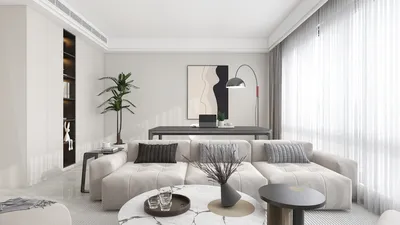


Understanding Egyptian Furniture style’s core challenge revolves around balancing historically rich ornamentation with functional modern living spaces. The primary design tension lies in integrating the opulence and symbolic motifs characteristic of ancient Egypt without overwhelming contemporary interiors. The style demands a delicate equilibrium between decorative elaborateness—such as hieroglyphic-inspired patterns, gold leaf finishes, and sculptural forms—and spatial harmony that ensures each piece complements rather than competes within the room. This requires attention to scale and proportion; Egyptian furniture often features bold geometric shapes and intricate details that risk dominating limited spaces. The challenge sharpens when incorporating the texture contrasts between lacquered woods, papyrus-like fabrics, and polished stone or metal. Effective Egyptian interiors must marry these diverse textures cohesively to evoke richness without kitsch. Another hurdle is managing the narrative aspect: Egyptian style conveys cultural symbolism tied to mythology and history. Designers must decide which motifs to highlight—lotus flowers, scarabs, or pharaonic imagery—and apply them thoughtfully to avoid visual clutter or thematic confusion. Layering symbolic details with functional design inevitably entails disciplined restraint. Color schemes present an additional design challenge. Authentic Egyptian aesthetics rely heavily on rich hues like deep blues, golds, and earthy ochres. However, an excessive palette risks visual overload. Therefore, color planning must serve as a unified backdrop that supports the furniture’s craftsmanship and ornamentation, rather than competing with it. Ultimately, designing with Egyptian Furniture style calls for an astute sensitivity to spatial rhythm, thematic consistency, and material interplay. Navigating these elements enables interiors that honor ancient grandeur while fulfilling contemporary needs, transforming historical references into living, breathable environments.
Step 1: Layout Logic — Spatial Proportion and Furniture Placement
A cornerstone of working with Egyptian Furniture is precise spatial planning that respects the scale and presence of each piece. Begin by mapping room dimensions with the furniture’s bold geometries in mind—oversized armchairs or console tables bearing strong columns or angular forms require ample breathing room. Avoid crowding to preserve visual clarity and allow ornamental details to shine. Centerpieces such as throne-like chairs or elaborately carved cabinets demand a focal position, ideally aligned with architectural elements like doorways or windows to accentuate symmetry, a principle highly valued in Egyptian design. Use rug placements or ceiling medallions that echo these alignments to reinforce spatial harmony. Smaller seating pieces or side tables can be clustered in conversational groups to soften the room’s formality without undermining the style’s solemnity. Consider the flow of movement: paths should clear major furniture clusters while encouraging guests to admire crafted details up close. Furniture height variation also plays a pivotal role; mix taller statuesque elements with lower benches or chests to create a tiered spatial effect reminiscent of temple interiors. This technique offers depth and prevents monotony in the horizontal plane. Introduce built-in shelving or niche displays to showcase Egyptian art objects or textiles without adding clutter. Custom-sized shelves matching furniture proportions maintain continuity and respect hierarchical display, avoiding overcrowded surfaces. During layout decisions, consult scale-drawings or 3D models replicating Egyptian Furniture items to anticipate spatial interactions realistically. This diligence ensures that the furniture complements rather than dominates the architectural context.
Step 2: Light and Color — Tone Selection and Light Source Pairing
Lighting in Egyptian-style interiors must mimic the dramatic illumination found in ancient temples while accommodating modern living needs. Opt for layered lighting schemes combining ambient, task, and accent lights to highlight furniture textures and decorative motifs. Warm light temperatures between 2700K and 3000K best replicate the glow of oil lamps or candles. Incorporate sconces shaped like papyrus stalks or lotus flowers that softly diffuse light on walls adorned with Egyptian motifs. Use spotlights subtly to accentuate carved reliefs or gilded embellishments on armoires and tables. Adjustable recessed fixtures can direct light onto key furniture surfaces without washing out shadows that add depth. Balancing light intensity across surfaces prevents glare on polished finishes such as gold leafing or lacquer. Employ dimmable fixtures to adapt the mood from evening intimacy to daylight functionality. Color palettes in Egyptian interiors traditionally revolve around rich blues (lapis lazuli tones), deep reds, blacks, and gold accents. To avoid over-saturation, set neutral sands or sandstone-inspired off-whites as dominant wall and floor backgrounds. Accent these neutrals with jewel-toned upholstery or cushions, carefully limiting the number of saturated colors per area to maintain visual coherence. Textured fabrics like embroidered silks or rougher linens can modulate color intensity by adding tactile contrast. Reflections through mirrors framed with ancient symbols can also play a role, amplifying natural light and creating a sense of layered space. Glass surfaces should be minimal to preserve material authenticity but strategically placed to enhance color interplay.
Step 3: Finishing Touches — Small-Scale Models Elevating Texture and Detail
Incorporating smaller decorative elements rooted in Egyptian symbolism truly anchors the overall design. Brass or bronze scarab beetle figurines, miniature obelisks, and canopic jar replicas serve as focal points on coffee tables or shelves, contributing authentic narrative layers. Textile enhancements include cushion covers and throws embroidered with hieroglyphs or lotus flower patterns, introducing fine craftsmanship in accessible formats. Use these tactile pieces to soften the furniture’s structural forms. Artwork depicting pharaohs, gods, or ancient myths should be scaled thoughtfully — oversized canvases can overwhelm while smaller framed papyrus paintings add note-worthy points of interest. Pottery or ceramic urns with painted motifs lend an organic contrast to polished wood and metal finishes, reinforcing a balance between nature and human artistry central to Egyptian aesthetics. Rolled papyrus scroll designs or decorative wall panels with stylized narrative scenes personalize the space without competing with the main furniture elements. Strategically position these in transition zones, such as hallways or entryways, to sustain thematic continuity. Integrating scented candles with traditional scents like frankincense or myrrh enhances the sensory atmosphere subtly, complementing visual details. Pay attention to hardware — drawer pulls and handles bearing Egyptian iconography elevate the furniture’s cohesion and authenticity, demonstrating meticulous detail orientation.
Designing the Look
For designers working in Homestyler, the Egyptian Furniture is a practical shortcut to authenticity. It removes the guesswork from sourcing — every piece is pre-matched in scale, material, and proportion to deliver a coherent Egyptian design result.

feature wall-French Style

pergola

storage shelf-Cute Kids Room

wall painting_2

Ground Sunken - 0.8x1.6m

pedestal sink-French Style
FAQ
Q: How can I maintain balance when incorporating heavy Egyptian-style furniture into smaller rooms?
It's essential to prioritize the focal pieces and avoid overcrowding; select one or two statement items and keep remaining furniture minimal and low-profile. Use neutral color walls to create visual breathing space and add mirrors or reflective surfaces to open up the room. Maintaining clear pathways and limiting decorative clutter preserves spatial flow.
Q: What lighting fixtures best complement the Egyptian Furniture style without clashing with historic motifs?
Choose fixtures with organic or geometric shapes inspired by Egyptian flora, such as lotus- or papyrus-inspired sconces and pendants. Select warm color temperature bulbs (2700K-3000K) and opt for dimmable options to control mood. Layered lighting with accent spotlights highlights carved furniture details subtly.
Q: How to authentically integrate Egyptian symbols without overwhelming the modern interior?
Apply motifs selectively: use symbolism on small decorative objects like throw pillows, drawer pulls, or artwork rather than entire wall coverings. Choose subtle, stylized patterns over literal depictions to maintain elegance. Combine with plain textures to avoid visual noise, ensuring the motifs enhance rather than dominate the room's character.
Built on technology originally developed at Autodesk, Homestyler empowers anyone to design beautiful, realistic spaces in minutes. Join over 20+ million users who have already discovered a smarter way to plan, visualize, and bring their dream homes to life — all from the comfort of a browser.
Homestyler is a professional interior design software that helps users effortlessly create their dream home.
Projete agora para LIVRE
































