

Conclusion
French Style and Modern Minimalism highlight contrasting design philosophies—ornate elegance versus functional simplicity. Choosing between them demands balancing your preference for decorative detail with the desire for uncluttered, efficient spaces.
Style A Deep Dive
French Style defines itself through intricate craftsmanship, curved lines, elaborate carving, and luxurious finishes like gilding or distressed paint. It thrives in spaces aiming for warmth and classic elegance such as living rooms, formal dining areas, or boutique hotels. While its ornate nature enhances beauty, it can overwhelm smaller or ultramodern interiors and requires carefully chosen complementary decor to avoid visual clutter.
Style B Deep Dive
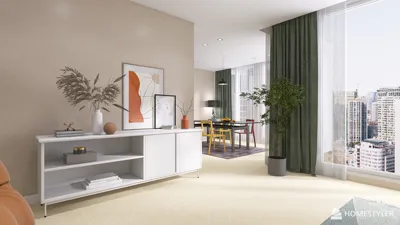
Modern Minimalism strips design to essential geometric forms and neutral palettes, celebrating open space and material honesty. It translates well into urban apartments, studios, or offices that prioritize clarity and calmness. Its straightforward aesthetic fosters easy customization but sometimes risks feeling cold or impersonal if not balanced with texture or color accents.
Head-to-Head
Color: French Style favors soft, pastel hues and rich creams contrasted with gold or antique bronze touches, while Modern Minimalism uses whites, blacks, grays, and occasional bold accent colors. Material: French incorporates carved wood, fine fabrics, and ornate metals; Modern Minimalism prefers steel, glass, natural wood, and smooth laminates. Space Feel: French Style creates intimate, layered environments with significant visual detail; Minimalism offers broad, airy openness that emphasizes light and flow. Target User: French Style suits those who value tradition, historical charm, and statement pieces. Minimalism appeals to individuals seeking simplicity, efficiency, and a modern lifestyle rhythm.
How to Choose
Evaluate your lifestyle and space constraints first. Choose French Style if you desire a timeless, romantic atmosphere and your home size accommodates decorative flourishes. Opt for Modern Minimalism if you prefer ease of maintenance, a clutter-free environment, and want to maximize natural light or spatial perception. Also consider your personal affinity for either historical depth or contemporary restraint.
Designing the Look
If French Style is the direction you're drawn to, Homestyler's 'French Style Furniture' gives you a ready-built library to start experimenting immediately — no sourcing, no scale guesswork, just design.

rug-French Style Furniture

pendant light-French Style Furniture

multi-seat sofa-French Style Furniture

curtains-French Style Furniture

sconce-French Style Furniture

multi-seat sofa-French Style Furniture
FAQ
Q: How do French Style and Modern Minimalism furniture address room functionality?
French Style tends to prioritize aesthetic richness which can sometimes limit flexibility, while Modern Minimalism focuses directly on usability and open layouts to facilitate multi-functional living.
Q: Can these two styles be effectively combined in one interior?
Blending French ornamentation with Minimalism’s clean lines is challenging but feasible if French pieces act as accent focal points amid predominantly minimalist surroundings to maintain balance.
Q: Which style offers better value longevity in current design trends?
French Style’s classic appeal offers enduring charm, whereas Minimalism’s trend toward simplicity aligns closely with modern sustainability considerations, making each relevant depending on market and personal taste.
Homestyler's roots trace back to Autodesk, the global leader in design and engineering software. That heritage lives on in every feature we build. Today, with a community of more than 18 million users worldwide, Homestyler continues to make professional-quality interior design accessible to everyone — from first-time decorators to seasoned architects.
Leverage Homestyler's AI-powered features to quickly generate professional interior design schemes.
Projete agora para LIVRE
































