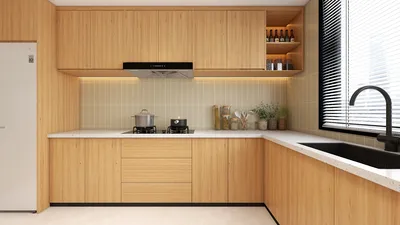


Italian Minimalism’s essence lies in the tension between purity and warmth, simplicity and sophistication. The style challenges designers to strip away excess while preserving a sense of life and character. Its core design conflict is achieving an uncluttered environment without losing comfort or personality. Unlike stark minimalism, Italian Minimalism invites tactile materials, nuanced colors, and elegant forms that evoke understated luxury. To succeed, every element must feel intentional and refined, merging function with artful restraint. The biggest challenge is selecting furnishings and finishes that embody simplicity but remain inviting and visually engaging. This involves balancing clean lines with soft textures, lightness with weight, and minimal ornamentation with subtle detailing. Focusing solely on reduction risks sterile spaces; overindulgence undercuts the minimal ideal. Designers must master spatial rhythm and material interplay to craft rooms that breathe serenity yet celebrate Italian craftsmanship’s sensuality. This demands thoughtful curation of pieces that complement each other in scale and texture, engaging natural light to highlight shapes and surfaces. The goal is a harmonious ensemble where each object earns its place, creating a space that feels both modern and timeless. Resolving this design challenge requires a detailed stepwise approach covering layout, color, lighting, and finishing touches.
Layout Logic — Spatial Proportion and Furniture Placement
The first step to mastering Italian Minimalism is establishing a spatial hierarchy that emphasizes proportion and openness. Begin by mapping the room’s dimensions to define primary and secondary zones without overcrowding. Use streamlined furniture with clear geometric profiles that respect the room’s scale, avoiding oversized sofas or bulky cabinets that interrupt flow. Position seating areas to enhance conversation and natural light access, promoting openness and ease of movement. Avoid symmetrical arrangements which can feel rigid; instead, opt for asymmetry paired with balance to introduce casual sophistication. Introduce low-profile furniture to encourage visual continuity across the space, such as slender-legged chairs and floating consoles that don’t obscure sightlines. Consider multi-functional pieces that serve more than one purpose—like an ottoman with storage or a minimalist sideboard doubling as a display shelf—to maximize utility without clutter. Placement near windows amplifies daylight, energizing the minimalist framework. The goal is a layout that breathes, with measured negative space around each element to highlight individual forms. Pay attention to how the furniture relates to architectural features like columns or built-ins, ensuring the ensemble feels curated rather than haphazard. Finally, embrace restraint by editing possessions to the essentials—each item should be chosen deliberately for its design integrity and connection to the whole environment.
Light and Color — Tone Selection and Lighting Pairing
Lighting and color define Italian Minimalism’s mood and bring its restrained compositions to life. Select a subdued, natural color palette centered on warm whites, soft taupes, greys, and muted earth tones. These colors create a luxurious backdrop that enhances materials without overwhelming. Occasionally introduce a single accent hue like dusty olive green or terracotta to add depth and warmth, limiting this to one or two focal points for subtle drama. For lighting, layer sources to mimic natural luminosity: combine diffused ceiling light, targeted wall fixtures, and table lamps with warm bulbs that soften shadows. Favor fixtures with minimalist silhouettes in metals like matte black, brushed brass, or anodized finishes to integrate functionality with elegance. Consider indirect lighting such as hidden LED strips to highlight architectural details without visual clutter. Daylight should be optimized with sheer or linen curtains to filter light gently, producing a soft glow. Avoid harsh fluorescents or neon; the ambiance must evoke calm and tactile comfort. Darker colors should be used sparingly to anchor spaces, like on a single accent wall or furniture piece, preventing heaviness. Using this balanced interplay of refined tones and thoughtfully curated lighting layers ensures the space feels cohesive, inviting, and unmistakably Italian in its understated poise.
Accent Refinement — Small Models to Enhance Texture and Quality
Small-scale objects and decorative models are essential to the Italian Minimalist ethos, acting as subtle focal points and layering texture without crowding. Choose sculptural vases, hand-thrown ceramics, or minimalist glass pieces with clean lines and muted colors. These items should convey craftsmanship and beauty through simplicity rather than ornate detail. Position them sparingly on surfaces like side tables, shelves, or consoles to punctuate the overall aesthetic. Textured objects like woven baskets in natural fibers or stone bookends complement smooth finishes, adding tactile intrigue. Integrate a small collection of well-made books or art books on design, architecture, and Italian culture to enrich the narrative and visual interest. Avoid excessive accessories or trendy items that compete for attention. Instead, favor timeless pieces with a monochrome or earth tone palette that harmonize with the room’s color scheme. Plants in minimalist pots can add life and color, but choose sculptural varieties like succulents or olive branches that align with restrained elegance. Each item should feel chosen for its ability to enhance the material story, inviting viewers to linger and appreciate subtle variations in shape and finish. This attention to scale and refinement completes the spatial composition, ensuring every detail feels essential and luxe.
Designing the Look
For designers working in Homestyler, the Italian Minimalism is a practical shortcut to authenticity. it removes the guesswork from sourcing — every piece is pre-matched in scale, material, and proportion to deliver a coherent Italian Minimalism result.

Minimalist Neutral Tone Abstract Area Rug 3D Model

Italian Minimalism-painting 8

Minimalist Neutral Fabric Textured Wall Art Print 3D Model

Minimalist Neutral Textured Abstract Wall Art Print 3D Model

Minimalist Fabric Upholstered Modern Accent Chair 3D Model
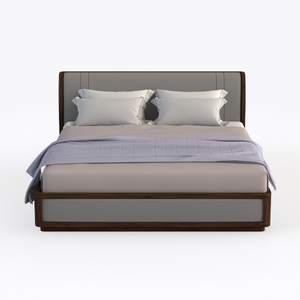
Modern Walnut Leather Upholstered King Size Bed 3D Model
FAQ
Q: How can I maintain warmth in an Italian Minimalist space without adding clutter?
Incorporate natural materials like wood, stone, and linen in neutral or warm tones. Use soft lighting layers and tactile textiles such as wool throws or linen cushions subtly. Small curated decor pieces made from artisanal materials add personality without mess. Avoid over-accessorizing; focus on quality over quantity.
Q: What’s the best way to select furniture sizes to preserve spatial balance in Italian Minimalism?
Measure the room carefully and choose streamlined, low-profile furniture that respects scale and maintains clear circulation paths. Avoid oversized or overly ornate pieces. Using visual weight theory helps—lighter colors and slender legs feel less bulky. Modular and multifunctional furniture can optimize space usage.
Q: How do I achieve effective lighting that complements Italian Minimalism aesthetics?
Layer illumination with a mix of ambient, task, and accent lighting, using warm color temperatures around 2700K to 3000K. Opt for fixtures with simple, elegant designs in matte or metal finishes. Indirect lighting, such as concealed LEDs, softens shadows and emphasizes materials. Balance natural daylight with sheer window treatments to create inviting luminosity.
Built on technology originally developed at Autodesk, Homestyler empowers anyone to design beautiful, realistic spaces in minutes. Join over 18 million users who have already discovered a smarter way to plan, visualize, and bring their dream homes to life — all from the comfort of a browser.
Leverage Homestyler's AI-powered features to quickly generate professional interior design schemes.
Projete agora para LIVRE
































