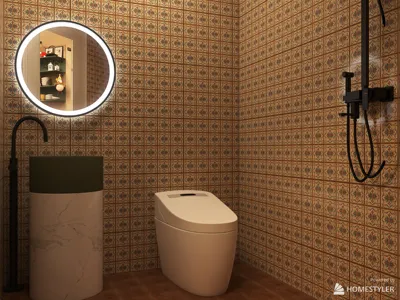


Japandi design synthesizes distinct philosophies from Japanese and Scandinavian cultures, presenting a challenge in balancing minimalist austerity with warm functionality. The core difficulty lies in integrating the sharp, clean lines and subdued palettes characteristic of Scandinavian interiors with the tactile naturalism and Zen-inspired restraint emblematic of Japanese aesthetics. Achieving this equilibrium requires an acute understanding of proportion, texture, and cultural connotations to avoid an overwrought or underwhelming space. Unlike purely Scandinavian or Japanese designs, Japandi is more than minimalism—it centers on crafting a lived experience where quiet beauty meets comfort through curated simplicity. Furniture selections, material textures, and spatial layouts must foster tranquility without sacrificing warmth, aiming for a tactile calmness that feels both welcoming and refined. The interplay of light and shadow must complement this delicate balance, inviting mindful attention to each detail. Practically, designers must contend with reconciling the stark functionality and organic softness. Overuse of wooden elements or misaligned proportions can shift the design too close to rustic Japanese or overly clinical Nordic extremes. Instead, Japandi demands subtle modulation of color, organic material contrasts, and carefully measured decorative elements that reflect an intersection of craftsmanship and nature. This design discipline requires distilling both cultures' core values into a coherent language—simplicity, craftsmanship, and natural beauty—without overwhelming the senses. It challenges designers to achieve visual harmony through minimal yet meaningful compositions that evoke calm and focus, making Japandi a profoundly human-centered approach to interiors.
Step 1: Layout Logic — Spatial Proportion and Furniture Placement
Japandi spaces emphasize proportional harmony and purposeful arrangement to enhance fluidity. Begin by adopting a restrained furniture footprint: select pieces with elegant, tapered legs and modest silhouettes to convey lightness while providing comfort. Avoid oversized elements that block sightlines and reduce spatial flow. Arrange seating and tables to encourage conversation without overcrowding—maintain clear pathways of at least 60-75cm. Implement symmetry sparingly; asymmetrical balance often better reflects Japandi’s organic feel. Choosing furniture in natural wood tones anchored by neutral upholstery supports cohesiveness. Consider modular seating that adapts to different activities, enhancing functionality. Integrate built-in storage to maintain clutter-free surfaces, emphasizing form and function in unison. Use vertical space with slender wall-mounted shelving or low-profile cabinets to honor minimalism and practicality. Spacing is crucial: the interplay between empty zones and furnished areas should feel deliberate yet breathable. Experiment with negative space to frame views or architectural details, ensuring the room isn’t just filled but composed. Layering rugs can define zones subtly without overwhelming. Furniture height relative to ceiling and room proportions should be moderated—low-profile sofas or chairs create intimacy, while slender tables contrast solid floor planes. Employ natural materials subtly, with wood grains oriented to highlight fluid transitions between surfaces. This considered spatial arrangement creates quiet rhythms without sacrificing utility, establishing the foundational calm that Japandi demands.
Step 2: Light and Color — Palette Selections and Illumination Pairing
Japandi color schemes merge Scandinavian lightness with Japanese muted earth tones. Emphasize neutral bases—off-whites, warm grays, and soft taupes—to maintain a serene backdrop. Layer accents in deep blues, forest greens, or terra cottas, reflecting natural elements without becoming overly bold. Matte finishes prevail over gloss to reduce visual noise; surfaces should invite touch without sheen distractions. Use textiles in natural fibers—linen, hemp, and cotton—to reinforce tactile softness alongside color restraint. Lighting plays an integral role: blend diffused ambient light with targeted task illumination. Paper lantern pendants or minimalist wood-framed fixtures soften the environment, echoing Japanese shoji screens or Nordic design’s preference for natural materials. Position windows to maximize daylight penetration, using sheer curtains or no treatments to allow light framing. Incorporate dimmable LEDs or warm-hued bulbs to emulate the gentle glow of traditional Japanese lighting as day transitions. Introduce gentle shadow play on walls and floors by positioning furniture or decor to catch natural light. Consider minimalistic floor lamps with paper or fabric shades for layered light sources adding depth without clutter. Color and light must act in concert: subdued tones reflect daylight softly, enhancing the room’s calm. Avoid stark contrasts and artificial brightness which disrupt the peaceful ethos. Through disciplined control of palette and illumination, the design fosters visual balance critical to Japandi’s timeless aura.
Step 3: Accent Details — Selecting Small-Scale Models to Enrich Texture and Depth
Japandi’s signature lies in its understated accents that articulate craftsmanship and curated simplicity. Focus on hand-crafted ceramics, pottery with subtle textures, or simple wooden trays that introduce natural imperfections as focal points. Incorporate woven baskets or cushions made from natural fibers to add tactile warmth. Choose decor pieces that demonstrate clear artisan influence—objects that reflect traditional processes or utilize sustainably sourced materials. When including plants, prioritize minimalist bonsai or single-stem florals in plain vases rather than sprawling arrangements. This restrained approach aligns with Wabi-Sabi principles, celebrating impermanence and asymmetry. Small-scale models should respect scale relative to furniture and room size, avoiding clutter. Japanese calligraphy scrolls or framed prints with muted palettes complement the scenes without overwhelming. Layer these accent elements strategically—not all at once, but as purposeful highlights reinforcing natural textures and muted color cues. This subtle interplay transforms a merely functional room into a living space that whispers elegance. Textural contrast is vital: smooth ceramics alongside rougher wood grains or soft textiles enriches tactile experience. Avoid shiny or overly decorated accessories, keeping ornamentation sparse to focus on quality over quantity. Deliberate placement of these small forms composes an intimate dialogue with space, grounding the Japandi aesthetic through thoughtful layering.
Designing the Look
For designers working in Homestyler, the Japandi is a practical shortcut to authenticity. It removes the guesswork from sourcing — every piece is pre-matched in scale, material, and proportion to deliver a coherent Japandi result.

wall painting_1

loveseat-Pop Art Inspired

wall painting_2

dining table-Modern American

distribution board

storage box
FAQ
Q1: How can I ensure furniture choices align with the Japandi style without overcrowding the space?
A1: Prioritize selecting low-slung pieces with sleek profiles crafted from natural wood tones. Avoid large bulky items and focus on multi-functional furniture that respects spatial flow. Leave adequate breathing room by measuring walkways of at least 60-75cm around furniture, which maintains the minimal and calm atmosphere crucial to Japandi.
Q2: What lighting fixtures are best suited to complement the Japandi color palette?
A2: Choose lighting that utilizes organic materials such as rice paper, wood, or fabric shades to produce diffused, warm illumination. Avoid harsh white lights; opting instead for bulbs with warm temperature settings around 2700K to 3000K which replicate natural daylight softly and support the palette’s muted tones.
Q3: How do I select decorative accents that reinforce Japandi’s minimalist but inviting vibe?
A3: Focus on hand-crafted objects with understated textures like matte ceramics, woven textiles, and simple wooden pieces. Limit decorative items to a few meaningful accents and align their materials and colors with the overall scheme to avoid visual clutter and emphasize craftsmanship’s authenticity.
Built on technology originally developed at Autodesk, Homestyler empowers anyone to design beautiful, realistic spaces in minutes. Join over 20+ million users who have already discovered a smarter way to plan, visualize, and bring their dream homes to life — all from the comfort of a browser.
Homestyler supports multiple platforms, allowing you to work on your interior design anytime, anywhere.
Projete agora para LIVRE
































