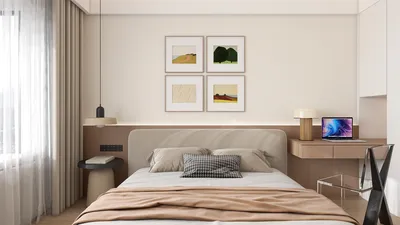


Japandi Style’s Most Common Core Problem in Design
The most common core issue in Japandi style is overcomplicating minimalism with excessive elements, ruining its hallmark balance.
Quick Takeaways
1. Japandi’s minimalist ethos is easily compromised by cluttered decor choices. 2. Mixing too many wood tones disrupts the seamless natural harmony. 3. Ignoring proportion leads to awkward furniture scale and poor flow. 4. Overusing color breaks Japandi’s subtle, muted palette. 5. Confusing Japandi with purely Japanese or Scandinavian styles results in a loss of its hybrid identity.
Introduction
When I first embraced Japandi style, I quickly noticed its deceptively simple aesthetic could easily go wrong. People often mistake minimalism for emptiness, adding unnecessary items or mixing overwhelming textures. This style demands a careful balance between Japanese serenity and Scandinavian warmth, yet many designs end up too sparse or unintentionally chaotic. The challenge lies in maintaining elegance while blending two distinct traditions without losing the soul of either. This article dives deep into why the style trips up so many and how to truly embody Japandi’s essence.
Why It Goes Wrong
Japandi interiors falter mainly because of imbalance—too much decoration violates the intended simplicity, yet too little removes character. Poor furniture proportion disrupts functional harmony, and unclear style boundaries result in an incoherent overall look. Often, designers attempt to force both traditions equally instead of thoughtfully crafting a unified language. This misunderstanding of the style’s core principles leads to aesthetic confusion, making spaces appear neither Japanese nor Scandinavian but just mismatched.
Mistake 1: Overdecorating Minimalism
The Mistake: Overloading rooms with excessive ornaments, vibrant patterns, and too many accessories. Why It Happens: Many confuse minimalism with sterility and try to add visual interest by filling space, which overwhelms Japandi’s calm look. The Fix: Limit decorative items to a few meaningful pieces. Use natural textures and neutral colors, keeping surfaces largely clear. Adopt the ‘less but better’ mindset by selecting quality over quantity, aiming for no more than five statement items per room.
Mistake 2: Mixing Multiple Wood Tones
The Mistake: Combining too many different wood finishes and hues, creating visual discord. Why It Happens: A desire to include warmth and natural elements leads to randomly layered wood species without cohesion. The Fix: Choose one or two complementary wood tones and apply them consistently. For example, pair light oak with walnut or ash with teak, never exceeding three wood variations in a space to preserve harmony.
Mistake 3: Ignoring Furniture Scale
The Mistake: Selecting furniture pieces that are either too large or too small relative to room size and other elements. Why It Happens: Misjudgment of spatial proportions or impulse buying compromises flow and balance. The Fix: Measure rooms carefully before purchasing. Opt for streamlined, low-profile designs that respect open space. Maintain a balanced relationship between furniture height, width, and the overall room dimensions to enhance comfort and aesthetic proportion.
Mistake 4: Overusing Color
The Mistake: Introducing bold or saturated colors that detract from Japandi’s muted and subtle palette. Why It Happens: The temptation to inject vibrancy or follow color trends disrupts the serene ambience. The Fix: Stick to natural shades like beige, soft gray, off-white, and muted greens. Use color sparingly to accentuate rather than dominate—think linen cushions or pottery rather than large statement walls.
Mistake 5: Style Confusion
The Mistake: Treating Japandi as purely Japanese or purely Scandinavian rather than a thoughtful blend. Why It Happens: Designers or homeowners oversimplify by lifting elements from one culture without incorporating the balancing traits from the other. The Fix: Study Japandi’s philosophy emphasizing simplicity and warmth; integrate Japanese wabi-sabi (imperfect beauty) with Scandinavian hygge (comfort and coziness). The fusion requires intentional selection of elements that complement rather than clash.
Designing the Look
Homestyler’s ‘Japandi’ offers a comprehensive set of ready-to-use 3D models specifically curated to embody this aesthetic, allowing designers to achieve authentic results with professional-grade textures and forms.

wall painting_1

loveseat-Pop Art Inspired

wall painting_2

dining table-Modern American

distribution board

storage box
FAQ
Q1: What defines Japandi style compared to Japanese or Scandinavian styles alone?
Japandi is a hybrid design philosophy combining Japanese minimalism’s calm serenity and Scandinavian modern warmth. It emphasizes simplicity, natural materials, muted colors, and functional comfort. Unlike purely Japanese interiors which may be more austere or Scandinavian spaces which lean heavily on coziness, Japandi balances these qualities for a harmonious, uncluttered yet inviting atmosphere.
Q2: How can I incorporate the wabi-sabi principle into Japandi design?
Wabi-sabi celebrates imperfection and natural aging processes. To apply this in Japandi, use handcrafted or rustic items that show character, such as uneven ceramics, weathered woods, or linen fabrics with subtle inconsistencies. These pieces add texture and authenticity without overpowering the minimalist framework, imbuing spaces with organic warmth tied to tradition.
Q3: What furniture materials work best for true Japandi aesthetic?
The ideal materials include light and medium-toned wood (like ash, oak, or walnut), smooth natural textiles (linen, cotton), ceramics, and matte metal accents. Avoid glossy plastics or overly shiny surfaces to keep the natural and understated feel. Selecting tactile, durable materials that age gracefully helps sustain Japandi’s timeless appeal without sacrificing functionality.
What began as an Autodesk innovation has evolved into a design platform used by more than 20+ million users around the globe. Homestyler combines powerful rendering, an intuitive editor, and a vast furniture library to help you turn inspiration into photorealistic designs — whether you're redesigning a single room or planning an entire home.
Homestyler supports multiple platforms, allowing you to work on your interior design anytime, anywhere.
Projete agora para LIVRE
































