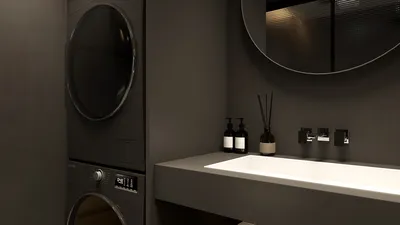


The core design challenge of the Modern American style lies in harmonizing functionality with relaxed sophistication without sacrificing warmth. This style thrives on balancing open, airy spaces with curated furniture pieces that offer comfort and visual interest. Unlike minimalist trends which often strip down decor to essentials, Modern American embraces a fuller narrative that includes robust textures, practical layouts, and thoughtful ornamentation. The challenge is to avoid clutter while maintaining intentional layering, ensuring each element complements rather than competes with the rest. Achieving this requires a strict adherence to scale and proportion, as oversized furniture in cramped spaces or mismatched materials can disrupt the desired flow. The style clearly prioritizes an inviting atmosphere that feels lived-in yet deliberately designed, appealing to those who value both ease and elegance. Wooden accents often cohabit with metal fixtures, blending rustic with modern, but must be balanced carefully to prevent visual dissonance. Unlike highly stylized interiors that lean heavily on bold statements, Modern American opts for a quiet confidence—a style that is current but resists fleeting trends. Designers often struggle with injecting personality without overwhelming the space, a challenge accentuated by the need for functional zones suitable for everyday living. Integrating natural light and neutral palettes sets a serene foundation, but attention to subtle contrast and texture defines the room’s character. Thus, the core challenge is creating a cohesive environment where every furniture piece, lighting fixture, and accessory feels curated yet naturally placed. Handling this dilemma decisively influences whether the final interior feels like a curated showpiece or a welcoming home. This style demands careful, nuanced decisions down to the smallest detail, making it a test of both technical skill and aesthetic sensitivity.
Step 1: Layout Logic — Proportion and Furniture Arrangement
A foundational step in Modern American interiors is mastering the spatial proportions and furniture placement to create balance and flow. Begin by assessing the room’s dimensions and natural focal points, such as windows or fireplaces, which will guide the layout. Prioritize functional circulation paths that allow easy movement without obstruction. Use scaled furniture that responds to room size — avoid oversized sofas in modest rooms to prevent an overcrowded feeling. Anchor living areas with grounded rugs and a central seating group that encourages conversation while maintaining openness. Beds in bedrooms should be centrally positioned with symmetry in bedside table placement to enhance formality with ease. Modular furniture with clean lines works well, but mixing in occasional robust, traditional pieces adds warmth and character, reflecting the eclectic aspect of Modern American. When arranging, respect human scale and sightlines; ensure that seating faces the room’s primary feature and that secondary items complement rather than dominate the main setup. Consider multifunctional pieces with hidden storage to maintain tidiness and meet practical needs. Apply the golden ratio or similar spatial grid guides for intuitive harmony in proportions. Avoid pushing all furniture to walls; instead, create subtle clusters allowing air and light to permeate, reinforcing the style’s airy yet grounded feeling. In open-plan spaces, use rugs or lighting zones to visually separate kitchen, dining, and living zones without erecting physical barriers. Layering with different height furniture and incorporating occasional chairs enrich the spatial dialogue and prevent monotony. With careful pre-planning, the furniture arrangement becomes a silent collaborator that enforces style cohesion and functional comfort.
Step 2: Light and Color — Tone Choices and Illumination Pairing
Color palettes for Modern American must tread the line between neutrality and warmth, combining soft earth tones with subtle accent hues. Start with a base of off-whites, creams, or warm grays that create a calm backdrop supporting layered textures. Introduce muted blues, olive greens, or terracotta as accent colors in upholstery, throws, or wall art to build tonal richness without overwhelming the senses. The lighting scheme should complement this palette by softening edges and creating inviting warmth. Use layered lighting techniques – combining ambient recessed lights, task lamps, and decorative pendants – to tailor moods for various activities. Incorporate dimmers to allow fine control of illumination intensity, adjusting from bright utility light to warm, relaxed atmosphere. Select finishes with matte or satin textures over high gloss to maintain subtlety and avoid glare. Light fixtures in brushed metals or dark bronze add gentle contrast against the light colorfields without clashing. Natural light is paramount: maximize window exposure with sheer curtains or wooden blinds that diffuse sunlight and enhance spatial warmth. Position mirrors thoughtfully across from natural sources to amplify brightness and create a visual sense of depth. Avoid harsh white LEDs that create cold, clinical feelings; instead, opt for bulbs rated for warm white or daylight, depending on room function. Consider the heat output and energy efficiency of fixtures to sustain comfort and environment-friendly practices. Successfully balancing this interplay of color and light dictates whether the space feels genuinely open and welcoming or merely coordinated.
Step 3: Finishing Touches — Accent Models that Elevate Texture and Detail
Small decorative objects and carefully chosen accents turn a technically sound interior into one expressing personality and refinement. In Modern American design, this means using curated pieces that bring texture and subtle visual intrigue without cluttering. Introduce handcrafted ceramics, natural fiber baskets, and vintage-inspired glassware as tabletop or shelving displays. These bring tactile contrast to smooth surfaces common in furniture or flooring. Layer soft pillows and throws in layered fabrics like linen, cotton, or wool to add comfort and richness. Use sculptural lamps or unique candleholders to introduce an artistic statement that feels both intentional and approachable. Display framed art in restrained galleries that speak to regional or personal narratives, avoiding overly generic prints or mass-produced imagery. Accent with greenery — potted plants or single-stem arrangements in simple containers — to inject life and soften harder lines. Incorporate aged metals or reclaimed woods as accessory materials for an authentic layered effect that aged gracefully. Resist the temptation to fill every flat surface; instead, prioritize negative space so key items breathe visually and draw focused attention. Textured wallpapers or subtle wall paneling can also serve as accents behind these decor elements, adding another layer without overwhelming. Thoughtful accessories layered thoughtfully communicate style mastery by tying all material, form, and color elements into one cohesive language. This final stage defines the room’s emotional appeal, bridging architectural rigor with human warmth.
Designing the Look
For designers working in Homestyler, the Modern American is a practical shortcut to authenticity. It removes the guesswork from sourcing — every piece is pre-matched in scale, material, and proportion to deliver a coherent Modern American result.

dining table-Modern American

bed-Modern American

wall art-Modern American

pedestal sink-Modern American

Lavender

single sofa-Modern American
FAQ
Q1: How can I maintain balance when combining rustic and modern elements in Modern American interiors?
Achieving balance hinges on careful material selection and proportion. Use rustic materials like reclaimed wood or metal as accent elements rather than dominant finishes to avoid visual overload. Pair these with streamlined modern furniture, ensuring the scale is consistent to create harmony. Focus on neutral base tones so that textures stand out without clashing.
Q2: What are key lighting considerations to enhance both functionality and ambiance in this style?
Layered lighting is critical. Use a combination of ambient recessed fixtures for general illumination, task lights for practicality, and decorative pendants for atmosphere. Dimmers enable flexible mood adjustments. Opt for warm-toned bulbs and maximize daylight through light-filtering window treatments to maintain a welcoming environment.
Q3: How do I select accent pieces without overwhelming the simplicity of Modern American design?
Prioritize quality over quantity by choosing well-crafted items that add textural or tonal contrast without excessive color or pattern. Select objects with meaningful finishes—such as matte ceramics or handcrafted textiles—that complement the overall color scheme. Leave some surfaces intentionally clear to support visual breathing room and avoid clutter.
Built on technology originally developed at Autodesk, Homestyler empowers anyone to design beautiful, realistic spaces in minutes. Join over 18 million users who have already discovered a smarter way to plan, visualize, and bring their dream homes to life — all from the comfort of a browser.
Homestyler's powerful 3D rendering feature brings your design concepts to life with incredible detail.
Projete agora para LIVRE
































