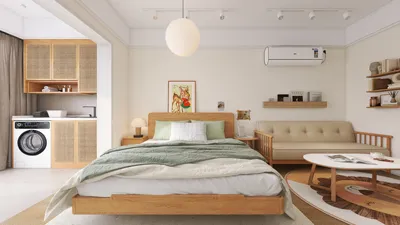


Peranakan design embodies a vibrant clash of heritage and modernity, challenging designers to balance intricate ornamental patterns with contemporary functionality. The core difficulty lies in maintaining cultural authenticity while creating spaces that remain livable and aesthetically coherent. This style thrives on bold motifs and rich textures that can easily overpower or clutter a setting if not carefully curated. Achieving equilibrium between vivid tilework, ornate furnishings, and modern neutral backdrops requires precise spatial planning and restrained yet purposeful use of color and detail. Designers often grapple with integrating Peranakan's elaborate ceramic tiles without compromising flow and comfort. Strong visual focal points from striking patterned floors or accent walls must harmonize with simpler surfaces to avoid visual fatigue. Materials selection, scale proportions, and furniture arrangement play decisive roles in balancing tradition and sophistication. When well-executed, Peranakan interiors become vibrant narratives of culture, artistry, and modern design sensibility, but the margin for imbalance is narrow. Attention to technique, layered texture juxtaposition, and rhythm in pattern repetition form the foundation for usability infused with authenticity, preventing what could otherwise risk descending into pastiche or chaos. Peranakan design’s greatest design challenge is harnessing its ornamental energy into spaces that speak heritage fluently yet feel coherent, inviting, and refined.
Step 1: Spatial Logic — Balancing Proportions and Furnishing
The foundation of a successful Peranakan interior begins with spatial planning that respects traditional scale without sacrificing modern comfort. Tiles with intricate patterns demand ample uninterrupted surfaces to shine, so zone floors or accent walls deliberately rather than saturate every corner. Prioritize larger, simpler furniture pieces to provide breathing room around vivid tilework. For example, choose sofas with clean lines and muted upholstery to offset patterned floors or backsplash tiles. Ensure walkways remain unimpeded, reflecting the style’s historic openness but ensuring practical flow. Use furniture layout to direct visual focus toward key ornamented elements, such as tile-laden walls or risers. Avoid crowding too many patterned surfaces close together to prevent sensory overload; rhythm in tile placement allows each feature to be appreciated distinctly. Spatial proportion must also consider the scale of Peranakan motifs: select tiles sized to complement room dimensions, neither dwarfed by expansive spaces nor overwhelming in compact rooms. Complement curved wooden furniture, iconic to the style, with tile configuration that contours around furnishings for seamless integration. Thoughtful furniture positioning enhances legibility of the tile artistry and maintains seasonal usability—switching between open social settings and intimate areas with ease. Deliberate spatial groupings help maintain a sense of harmony amid the complex layers of decoration typical in heritage interiors. In sum, establishing clear spatial hierarchies and furniture relationships is essential to translating Peranakan style from pattern-heavy folklore into livable contemporary spaces.
Step 2: Light and Color — Harmonizing Palette and Luminance
Effective lighting coupled with a well-crafted color scheme is vital in tempering Peranakan’s rich decorative elements. The palette typically revolves around saturated jewel tones, deep blues, lush greens, and vibrant reds unified with neutral backgrounds to ground visual intensity. Balance is achieved by pairing jewel-toned tiles with softer paint hues on walls, such as creamy ivories or pale greys, which act as visual buffers. Layer ambient, task, and accent lighting judiciously—natural daylight enhances the intricate glazes on tiles, while warm-toned bulbs amplify the cozy, inviting atmosphere of heritage spaces. Incorporate directional spotlights to highlight mosaic feature walls or patterned floors without creating harsh glare. Where possible, use window dressings that preserve light penetration yet soften brightness, enabling tile colors to remain vivid without overwhelming glare. Metallic accents or glossy finishes can enhance luminosity but should be sparingly applied to avoid competing with tile complexity. Introduce subtle reflective surfaces like polished wood or glass to bounce light and simulate spaciousness within typically dense styled rooms. Color coordination extends to textiles and furnishings; embroidery or wall art should echo tile motifs using complementary but subdued hues to ensure cohesion. The interplay of light and color transforms the tile’s rich patterns from merely ornamental to the room’s storyteller—its hues breathing life and warmth into the surroundings without loss of refinement.
Step 3: Finishing Touches — Decorative Models Elevating Peranakan Style
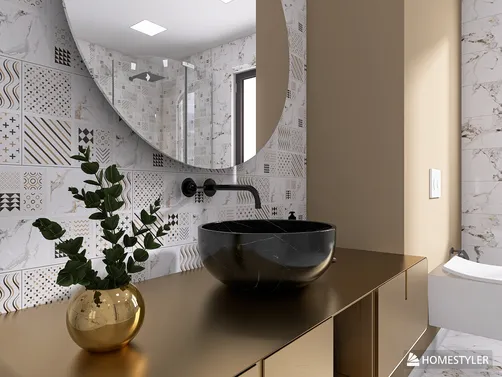
Fine details from accessories to small-scale furniture pieces make all the difference in a fully realized Peranakan interior. Incorporate porcelain figurines, brass vessels, and embroidered textiles that reflect the style’s cultural narrative, adding layers of authenticity and tactile contrast. Use small-scale models like wooden stools, rattan baskets, or intricately carved screens to introduce varied textures harmonizing with patterned tiles. Decorative pillows in bold colors mimic tile motifs linking upholstery to flooring or walls. Consider vintage lamps or antique mirrors framed with colorful tiles to double as art and functional objects. Plants in traditionally glazed pots add organic softness and connect heritage design with nature. Curate these elements sparingly, ensuring they complement rather than compete with tile patterns. When selecting models, prioritize craftsmanship and cultural references—each piece should feel deliberate, narrating a fragment of the style’s history. Small elevated platforms or stools in lacquered wood can punctuate seating areas without distracting from larger tile statements. Incorporate handcrafted ceramics on open shelves or side tables, mirroring tile gloss and shapes. These finishing touches unify the layered aesthetic, creating rhythm and depth through consistent material quality and motif echoing. Thoughtful integration of decorative models enriches spatial storytelling, elevating Peranakan spaces beyond pattern-heavy decoration to immersive cultural environments.
Designing the Look
For designers working in Homestyler, the Peranakan tiles is a practical shortcut to authenticity. it removes the guesswork from sourcing — every piece is pre-matched in scale, material, and proportion to deliver a coherent Peranakan result.

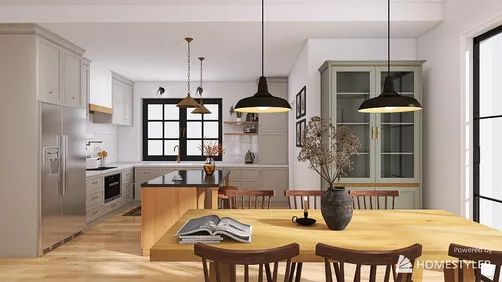
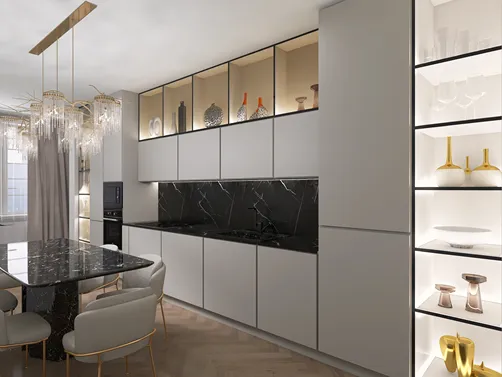
kitchen cabinet set-Kitchen Cabinet III

kitchen cabinet set-Kitchen Cabinet III

dining table set-Modern Home Interior

kitchen cabinet set-Kitchen Cabinet III

bookcase-Country Grace

kitchen cabinet set-Kitchen Cabinet III
FAQ
Q1: How can I integrate Peranakan tiles into a modern open-plan living space without overwhelming it?
A1: Focus tile application on strategic feature areas such as a backsplash, fireplace surround, or an entryway floor inset. Balance the decorative patterns with minimalistic furniture and neutral wall colors. Use consistent material finishes across areas and break the tile patterns with plain surfaces to maintain flow and prevent visual overload.
Q2: What lighting techniques best enhance the ceramics' glazed surfaces while minimizing glare in Peranakan interiors?
A2: Employ diffused lighting supplemented by adjustable directional spots aimed subtly at tile features. Avoid direct harsh beams, instead using soft LED bulbs with warm color temperatures. Position fixtures to highlight glossy textures without creating uncomfortable reflections or shadows, enhancing color vibrancy and detail.
Q3: What criteria should guide the selection of decorative models to complement Peranakan tiled areas?
A3: Choose accessories crafted from natural materials like wood, rattan, or brass that echo traditional artisanal techniques. Prioritize pieces featuring motifs or colors harmonizing with tile patterns. Scale is crucial—small objects that create textural contrast without competing visually help maintain design balance and layering.
Originally incubated at Autodesk, Homestyler has grown into one of the most widely adopted home design platforms in the world, now trusted by over 20+ million registered users (platform data, 2026). Whether you're a homeowner exploring ideas or a professional designer delivering client-ready renders, Homestyler brings industry-leading 3D technology to your fingertips — no experience required.
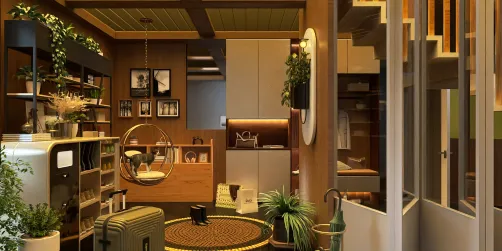
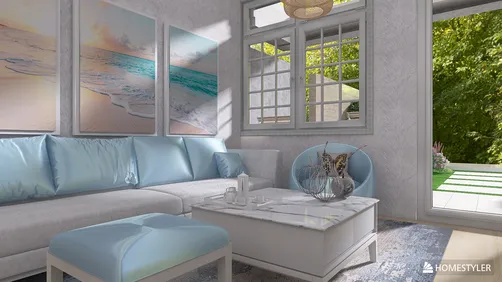
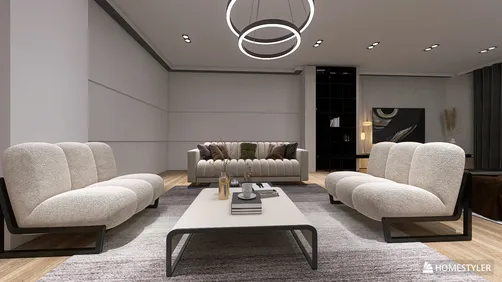
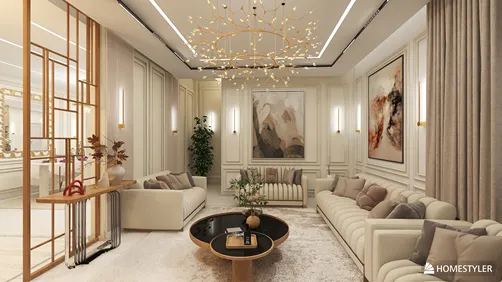
Homestyler's powerful 3D rendering feature brings your design concepts to life with incredible detail.
Projete agora para LIVRE







![Design [4]](https://hs-designs.homestyler.com/production/design/images/07c2de3a-88ec-4be8-8910-ff255b795bc2/1731419398293/7841697.jpg?x-oss-process=image/resize,w_502,m_mfit/format,webp)













![[For my dearest Sabrinik 🧡]](https://hs-designs.homestyler.com/production/design/images/3f463715-5ed6-4c49-9346-16d464510aa6/1714085722568.jpg?x-oss-process=image/resize,w_502,m_mfit/format,webp)
