

What is the most common core issue in Polka Dot Inspired Furniture design?
The dominant problem is balancing playful pattern impact without overwhelming the space's harmony.
Quick Takeaways
1. Excessive use of polka dots causes visual chaos rather than charm. 2. Ignoring scale can make patterns appear childish or jarring. 3. Incompatible color combinations weaken overall cohesion. 4. Over mixing patterns dilutes the style’s distinctiveness. 5. Neglecting furniture form reduces the pattern’s design impact.
Introduction
I’ve seen numerous Polka Dot Inspired Furniture projects falter because designers underestimate the pattern’s boldness. This style demands precision—an imbalance quickly turns vibrant charm into visual noise. The key challenge is orchestrating polka dots without losing sophistication or spatial balance. Missteps rooted in scale, color, and context abound, making the style deceptively tricky. Through experience, pinpointing typical pitfalls helps me guide readers toward nuanced, effective outcomes.
Why It Goes Wrong
The root cause of failure in polka dot furniture styling is misunderstanding how pattern scale, repetition frequency, and surrounding design elements interact. Overuse or incongruous executions overshadow the furniture’s silhouette and distort spatial flow. Instead of a balanced aesthetic, the room devolves into patchy, disjointed visuals. This mostly stems from treating polka dots as mere decoration without integrating their spatial and chromatic demands.
Mistake 1: Excessive Pattern Saturation
The Mistake: Applying polka dots to every surface indiscriminately, from walls to upholstery, creates overwhelming clutter. Why It Happens: Designers may assume that more pattern equals more style impact, not realizing this leads to sensory overload. The Fix: Limit polka dot applications to one or two key furniture pieces. Maintain large neutral zones around them to restore breathing room and contrast.
Mistake 2: Ignoring Proportion and Scale
The Mistake: Using dots too large or too small relative to furniture size makes pieces look juvenile or visually confused. Why It Happens: A lack of attention to scale ratios and psychological perception of pattern size causes mismatch. The Fix: Choose medium-sized dots for medium-to-large furniture. For smaller pieces, opt for delicate, fine polka dots ensuring they complement rather than dominate form.
Mistake 3: Clashing Color Palettes
The Mistake: Combining polka dot colors that conflict with room hues creates dissonance and visual discomfort. Why It Happens: Over-eagerness to embrace bold colors neglects the importance of palette harmony. The Fix: Select polka dot tones that harmonize with dominant interior colors, preferably sticking to complementary or analogous schemes for subtle impact.
Mistake 4: Over Mixing Patterns
The Mistake: Layering polka dots with multiple other competing patterns leads to chaotic, unfocused interiors. Why It Happens: An attempt to inject maximal visual interest backfires by diluting brand styling clarity. The Fix: Restrict supporting patterns to simple textures or very minimal lines, letting polka dots remain the visual anchor without distraction.
Mistake 5: Neglecting Furniture Form
The Mistake: Applying polka dots without regard to furniture silhouette risks masking the shape or creating awkward design tension. Why It Happens: Polka dots are treated as superficial finishes rather than integral design features tied to form language. The Fix: Choose furniture with clean, modern lines that allow polka dots to enhance the shape. Avoid overly ornate or bulky forms that compete with the pattern’s statement.
Designing the Look
Homestyler’s ‘Polka Dot Inspired Furniture’ offers a comprehensive set of ready-to-use 3D models specifically curated to embody this aesthetic, allowing designers to achieve authentic results with professional-grade textures and forms.

study desk set_8

spice jar-French Style

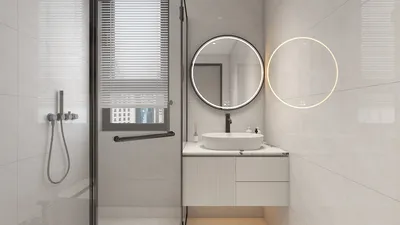
bathroom mirror-French Style

rug-Cute Kids Room

pendant light-French Style

rug-French Style
FAQ
Q1: How do I balance polka dot furniture with other interior elements?
A1: The key to balancing polka dot furniture lies in simplifying the surrounding decor. Opt for neutral or solid colors on walls and floors to prevent competitions for attention. Introduce subtle textures instead of additional bold patterns. This creates a backdrop that highlights the polka dots as focal points without overwhelming the space.
Q2: What scale of polka dots works best for large sofas?
A2: Medium to large polka dots work best for large sofas to maintain proportional harmony. Small dots on a big sofa risk getting lost visually or appearing busy. A dot diameter that is roughly 5% to 10% of the sofa’s backrest height creates a pleasing rhythm and presence without dominating form.
Q3: Can polka dot furniture fit into minimalist or modern interiors?
A3: Yes, but with careful restraint. Choose monochromatic polka dot patterns or tone-on-tone variations that subtly interrupt minimalism’s clean lines. Keep surrounding furnishings simple and avoid over-accessorizing. Polka dots in a modern silhouette act as playful statements that preserve minimalism’s elegance when balanced correctly.
Homestyler's roots trace back to Autodesk, the global leader in design and engineering software. That heritage lives on in every feature we build. Today, with a community of more than 18 million users worldwide, Homestyler continues to make professional-quality interior design accessible to everyone — from first-time decorators to seasoned architects.
Homestyler is a professional interior design software that helps users effortlessly create their dream home.
Projete agora para LIVRE
































