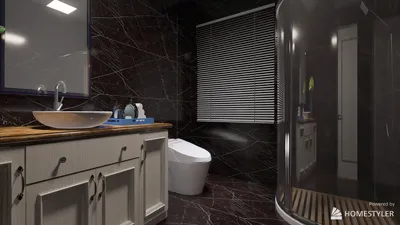


Achieving balance and harmony in interiors influenced by Polka Dot Inspired Furniture requires confronting the core design challenge of integrating bold, graphic motifs without overwhelming the space. This style embodies a playful spirit anchored by repetition and contrast, where exaggerated polka dot patterns inject energy and whimsy. The primary obstacle lies in marrying these lively elements to a sophisticated modern aesthetic that feels intentional rather than chaotic. Designers must skillfully negotiate scale, rhythm, and texture to form visual cohesion. The dots’ repetitive circular forms call for careful placement against more restrained background surfaces, avoiding excessive visual noise. Additionally, harmonizing furniture with architectural details requires attention to proportion and materiality to prevent imbalance. Color palettes used in polka dot motifs often incorporate high contrast pairings, demanding astute decisions about hues and lighting to maintain warmth and approachability. Crafting interiors with this style necessitates controlled layering: balancing eccentric shapes with minimalist lines, integrating statement furnishings alongside neutral accents, and mixing textures for depth without clutter. Ultimately, the challenge is how to evoke the vibrant personality of Polka Dot Inspired Furniture while preserving livability and elegance. Every design choice must respond to the visual rhythm set by patterned furnishings and unify disparate elements into a coherent whole that evokes fun yet refinement.
Step 1: Layout Logic — Space Proportion and Furniture Placement
Proper spatial organization is critical to consciously frame polka dot furniture as focal points rather than chaotic distractions. Begin by measuring your interior dimensions precisely to understand how scale impacts perception. In rooms featuring Polka Dot Inspired Furniture, larger furniture pieces with bold patterning should be arranged where they naturally command attention without overcrowding traffic flow. Avoid clustering too many polka dot elements together; instead, intersperse these with neutral or solid-colored furniture to create visual breathing room. Consider anchor pieces like a polka dot sofa positioned opposite solid walls to enhance contrast and highlight artwork or architectural details. A practical trick is to use an odd number of dotted elements to avoid artificial symmetry, which tends to reduce the playful effect. Incorporate complementary shapes by pairing circular polka dots with rounded furniture edges or contrasting angular elements for visual tension. Rugs and low tables can echo dot motifs subtly through shape or color to unify the scheme. When working with limited space, opt for multifunctional or modular polka dot furnishings that ease arrangement difficulties while maintaining stylistic coherence. Finally, leave deliberate negative space around signature pieces; this enhances both the perceived size of the room and allows each element to shine individually. Thoughtful layout ensures the polka dot patterns’ rhythmic tendencies bring dynamism instead of disarray.
Step 2: Light and Color — Tone Selection and Lighting Pairings
Lighting and color selection profoundly influence how polka dot interiors read in terms of mood and clarity. The high-contrast nature of polka dot patterns necessitates nuanced tonal decisions. Start by defining a base palette that complements the polka dot colors, keeping surrounding walls and floors in muted or natural shades like soft grays, warm beiges, or crisp whites to avoid visual competition. Ambient lighting should be diffused and adjustable; warm LED sources help soften stark contrasts and provide an inviting atmosphere. Because the graphic dots draw the eye, layering lighting with directional spotlights or accent lamps can highlight key furniture pieces selectively, creating dramatic focal points and emphasizing texture. Incorporate reflective surfaces or metallic accents near lighting fixtures to amplify illumination and add sparkle without clutter. When choosing secondary accent colors, pick complementary hues from the color wheel that harmonize with dominant polka dot colors but don’t exacerbate visual tension. Avoid colors that clash harshly or diminish legibility, such as overly saturated neons adjacent to intricate dot patterns. Utilize dimming capabilities to modulate ambience based on time of day and activity, ensuring the playful style remains versatile for relaxation or socializing. In sum, balancing light temperature, intensity, and color tone avoids overwhelming the senses and supports the polka dot aesthetic’s fun yet composed personality.
Step 3: Accent Details — Small-Scale Models Enhancing Overall Quality
Small decorative objects and fine details complete the Polka Dot Inspired Furniture look by adding texture depth and subtle contrast without overpowering larger pattern statements. Select accessories echoing circular motifs but in varied materials to introduce tactile richness — for example, rounded vases in matte ceramics, glass bowls with dotted etching, or metal candleholders shaped into spheres. Integrate textiles like cushions and throws with scaled-down polka dot prints or complementary geometric patterns to layer complexity. Opt for curated art pieces featuring abstract dot compositions or complementary color bursts to reinforce theme coherence. Additionally, incorporate natural elements such as small potted plants in rounded pots that soften graphic edges and bring organic balance. Pay attention to hardware like drawer pulls and lamp bases that resonate with the circular form language for continuous visual storytelling. Limit the number of accent objects to avoid clutter but position them deliberately in conversation groups or display shelves to create inviting vignettes. This attention to detail signals thoughtful design and elevates the polka dot interior beyond mere novelty to a multi-dimensional, curated environment. Layering small-scale models with diverse textures and consistent shapes completes a cohesive atmosphere that feels lively without losing refinement.
Designing the Look
For designers working in Homestyler, the Polka Dot Inspired Furniture is a practical shortcut to authenticity. It removes the guesswork from sourcing — every piece is pre-matched in scale, material, and proportion to deliver a coherent playful modern result.

Minimalist Brass Pendant Lamp 3D Model

spice jar-French Style

Bohemian Rattan Wavy Pendant Lamp 3D Model

M001-Column

Minimalist White Textured Abstract Wall Art Decor 3D Model
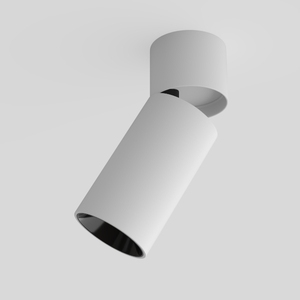
Minimalist White Metal Ceiling Spot Lamp 3D Model
FAQ
Q1: How can I ensure polka dot furniture doesn’t overwhelm a small room?
A1: In small interiors, focus on limiting the number of polka dot pieces to one or two statement items. Balance these with solid, neutral-colored furnishings to provide visual relief. Use lighter wall colors to expand perceived space, and place patterned furniture in locations that maximize natural or accent lighting to avoid heaviness. Additionally, optimize layout by keeping traffic flow clear and leaving negative space around dotted elements so the pattern breathes and doesn’t dominate the room.
Q2: What are effective ways to coordinate color schemes when using polka dot patterns?
A2: Begin with identifying the primary polka dot colors and choosing walls and flooring in complementary or neutral shades to avoid clashes. Incorporate shades from the polka dot palette as accents in textiles or art to maintain harmony. Avoid introducing unrelated saturated hues which compete for attention. Utilize color theory fundamentals by pairing analogous or complementary colors strategically. Lighting choice also influences color perception, so opt for adjustable warm lighting to soften contrasts and unify tones.
Q3: Which accessory materials best complement polka dot furniture?
A3: Materials with varied textures complement polka dot interiors extremely well. Matte ceramics, smooth glass, and polished metals in rounded forms enrich tactile interest while reinforcing circular motifs. Natural fibers, soft textiles, and plants add warmth and organic balance to offset graphic repetition. Avoid overly glossy or patterned accessories that compete with dots—focus on simple shapes and muted finishes to create layered yet cohesive visual appeal.
Built on technology originally developed at Autodesk, Homestyler empowers anyone to design beautiful, realistic spaces in minutes. Join over 18 million users who have already discovered a smarter way to plan, visualize, and bring their dream homes to life — all from the comfort of a browser.
Homestyler supports multiple platforms, allowing you to work on your interior design anytime, anywhere.
Projete agora para LIVRE
































