

Introduction
Pop Art Inspired design is a celebration of vivid expression and cultural iconography, stemming from the mid-20th century art movement that challenged traditional fine art by incorporating imagery from popular culture and mass media. Its aesthetic is rooted in the tension between high art and consumerism, transforming mundane objects and graphic motifs into visual declarations of playfulness and commentary. Emphasizing contrasts, the style juxtaposes vibrant, often primary palette colors with bold outlines and flat planes, creating a sensory engagement that is both immediate and provocative. This style’s essence lies in its ability to transform interior spaces into dynamic environments where the graphic simplicity of comic strips meets the audacity of billboard advertising. Its philosophy rejects subtlety, instead encouraging a vivid dialogue that reflects cultural energy and visual impact. Pop Art Inspired interiors demand spaces that communicate character through color saturation, simplified forms, and iconic imagery, bridging art and everyday life in an immersive manner.
Core Elements
Color
Vibrancy defines the color palette of Pop Art Inspired interiors, employing bright primary shades such as red, blue, and yellow with stark contrasts like black and white to create visual immediacy. These colors are often used in flat, unmodulated areas that evoke printed media and comic art rather than photo-realistic gradations, drawing attention to the deliberate artificiality and graphic nature of the design. Saturated hues are strategically combined with unexpected accents like neon pink or lime green, enhancing the stimulating atmosphere and underlining the design's refusal to fade into the background. This intentional color transparency and contrast serve as a visual manifesto, echoing the boldness of Pop Art icons and making spatial surfaces energetic canvases themselves.
Material
Materials in Pop Art Inspired settings emphasize synthetic and reflective surfaces that amplify brightness and graphic clarity. Glossy laminates, acrylic plastics, and polished metals replicate commercial signage and packaging, reinforcing the cultural connections to consumer goods and mass-produced imagery. Smooth textures without overt tactile variation contribute to the flatness typical of comic panels, allowing colors and shapes to dominate the perception of space. Occasionally, printed vinyl or wallpaper murals with bold graphic motifs add large-scale narrative elements that transform walls into storytelling devices. This selective use of tactile minimalism echoes Pop Art’s engagement with manufactured and everyday materials, intentionally eschewing natural textures to retain a crisp, designed aesthetic.
Form
Dynamic geometry and simplified contours characterize the forms used within Pop Art Inspired interiors. Objects often feature clean lines, sharp angles, or pronounced curves reduced to essential shapes, recalling the visual economy of comic illustrations and graphic design. Furniture and decorative elements may incorporate oversized details or exaggerated scale, turning even functional items into statement pieces that function as art objects. The design language relies heavily on repetition of bold motifs and symmetrical or rhythmical arrangements, producing visual harmony while maintaining energy. This sculptural approach to form creates a playful, approachable environment where everyday objects become icons in their own right.
Designing the Look
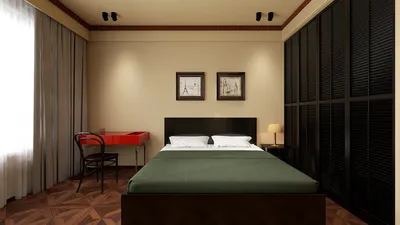
Creating a true Pop Art Inspired space requires a thorough commitment to its visual language, but challenges arise from balancing such bold elements without overwhelming the space. Homestyler’s ‘Pop Art Inspired’ offers a comprehensive set of ready-to-use 3D models specifically curated to embody this aesthetic, allowing designers to achieve authentic results with professional-grade textures and forms. By integrating these models, designers can experiment with scale, color choices, and spatial arrangements while maintaining fidelity to the style’s rigors. The package includes iconic furniture shapes, graphic accessories, and striking wall treatments that facilitate a cohesive look ranging from residential interiors to commercial environments where cultural impact is desired. Through careful layering of these elements, interiors transcend décor to become visual narratives that resonate with dynamic energy and cultural symbolism.

Modern Black Solid Wood Grid Glass Window 3D Model

Study Desk Set_3

bed-Jun.Check-in

office chair-Public Space Decor

night stand-French Style

feature wall-French Style
FAQ
Q1: What defines Pop Art Inspired interior design compared to other retro styles?
Pop Art Inspired design specifically draws from mid-20th century art that merges commercial imagery with fine art, focusing on bold colors, graphic forms, and iconography. Unlike other retro styles, it does not rely heavily on nostalgia alone but uses popular culture symbols and vivid media aesthetics to engage the environment as a lively visual statement rather than subtle vintage appeal.
Q2: How can textures be managed to maintain authenticity without making the space feel too synthetic?
While Pop Art favors synthetic materials like acrylics and glossy laminates to emphasize graphic clarity, balancing these with carefully chosen matte finishes or subtle tactile contrasts can prevent sterility. Incorporating printed surfaces or mixed media art installations allows a nuanced textural experience without losing the design’s sharp, flat qualities.
Q3: Is Pop Art Inspired suitable for all types of spaces, and how can it be adapted for smaller interiors?
Though inherently bold, Pop Art Inspired design can be scaled and adapted for smaller interiors by focusing on selective focal points such as a statement wall mural or a single brightly colored piece of furniture. Using neutral background tones with bursts of signature color maintains the energy while preventing overwhelm, ensuring that the style’s impact is curated thoughtfully within confined spaces.
Originally incubated at Autodesk, Homestyler has grown into one of the most widely adopted home design platforms in the world, now trusted by over 20+ million users. Whether you're a homeowner exploring ideas or a professional designer delivering client-ready renders, Homestyler brings industry-leading 3D technology to your fingertips — no experience required.
Homestyler has millions of users worldwide, making it one of the most popular online home design platforms.
Projete agora para LIVRE
































