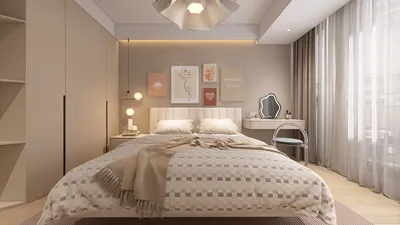


The challenge with the Test style lies in balancing form and function while maintaining a distinct visual personality that is neither sterile nor cluttered. This approach demands a rigorous attention to spatial harmony and component cohesion. Designers must navigate the tension between maximizing usability and preserving aesthetic clarity without compromising either. The Test style relies on an intentional interplay of proportions, materials, and finishes that articulate sophistication through subtlety rather than extravagance. Crafting this requires a delicate calibration of furniture selection, scale relationships, and textural contrasts. The core design challenge is to create a seamless backdrop where each element supports another, avoiding visual competition while enhancing comfort and flow. Effective execution involves minimizing redundant elements, selecting multi-purpose furniture solutions, and integrating details that contribute quietly to the ambiance. Achieving this equilibrium within a Test style interior means leveraging restraint and precision, enabling spaces to breathe and resonate cohesively. This nuanced methodology fosters environments reflecting refined minimalism while leaving room for personality and warmth.
Step 1: Layout Logic — Space Proportions and Furniture Placement
Begin by analyzing the spatial proportions thoroughly. The Test style thrives when furniture aligns proportionally with room dimensions and circulation paths. Prioritize functionality by defining clear zones for activities, such as seating, work, or dining, without overcrowding. Use modular furniture pieces scaled appropriately to maintain open sightlines and comfortable movement. Avoid oversized or under-scaled elements that disrupt spatial rhythm. Anchor the layout with a central piece like a sofa or table, then arrange complementary items around it, ensuring balance. Pay attention to focal points, positioning seating to engage these areas while leaving adequate buffer space. Utilize open floor plans strategically to enhance flow, but use area rugs or low partitions to subtly demarcate zones. Consider the visual and physical weight of each piece to create a harmonious composition where no item overpowers another. The Test style’s strength is in creating coherence through spatial intelligence — the right layout ensures usability and a restrained aesthetic simultaneously.
Step 2: Light and Color — Tone Selection and Illumination Coordination
Color palettes in Test style interiors should favor understated tones that unify rather than distract. Neutral hues such as soft greys, muted beiges, and off-whites create a calming backdrop. Introduce subtle accents through natural textures or muted pastels to add dimension without breaking cohesion. Lighting plays a critical role; employ layered sources combining ambient, task, and accent lights. Use diffused ceiling fixtures to avoid harsh shadows and implement directional lamps for focused activities. Consider the color temperature of bulbs carefully — warmer tones cultivate intimacy, whereas cooler lights enhance clarity. Incorporate natural light thoroughly by maintaining unobstructed window access and using sheer fabrics or blinds. Reflective surfaces like glass or polished metals can amplify light intelligently. Coordinating light and color enhances material textures, creating a visually engaging yet serene atmosphere foundational to the Test design ethos.
Step 3: Finishing Touches — Small-Scale Models to Enhance Overall Texture
Integrate small decorative elements strategically to elevate the refined simplicity of Test interiors without clutter. Select accessories that embody craftsmanship and subtle sophistication — think sculptural ceramics, artisanal trays, or minimalist vases. Group these pieces sparingly to create intentional focal points on shelves or side tables. Avoid shiny or overly ornate items that compete with the style’s controlled palette. Textural contrasts in cushions, throws, or rugs should complement the existing materials, introducing warmth and tactility. Artworks should maintain understated themes or monochromatic schemes to preserve tranquility. Introducing greenery with carefully curated plants can soften hard edges while adding life. These detailed touches complete the layered aesthetic while reinforcing the understated elegance typical of Test interiors.
Designing the Look
For designers working in Homestyler, the test is a practical shortcut to authenticity. It removes the guesswork from sourcing — every piece is pre-matched in scale, material, and proportion to deliver a coherent Test style result.

loveseat-Pop Art Inspired

bookcase-Country Grace

pedestal sink-Blue Furniture

coffee table-Red & Black Furniture

dining table-Modern American
FAQ
Q1: How can I ensure furniture proportions fit well in a Test style space?
Measurement is key — start by accurately gauging your room dimensions and circulation paths. Choose furniture scaled to those measurements, avoiding anything too large or too small. Use modular or multi-functional pieces to adapt easily.
Q2: What lighting strategies best support the Test aesthetic?
Layered lighting works best — combine ambient overhead lights with task-specific lamps and subtle accent illumination. Keep bulb temperatures warm to neutral and maximize natural light through sheer window treatments.
Q3: How do I select decorative objects without cluttering the minimalist Test design?
Opt for a select few artisanal or textured pieces that add warmth and interest. Avoid glossy, ornate, or brightly colored items. Group accessories intentionally to create calm focal points rather than disperse small items randomly.
Built on technology originally developed at Autodesk, Homestyler empowers anyone to design beautiful, realistic spaces in minutes. Join over 20+ million users who have already discovered a smarter way to plan, visualize, and bring their dream homes to life — all from the comfort of a browser.
Design your ideal space with Homestyler, turn your creativity into reality, and craft a unique home style that is truly your own.
Projete agora para LIVRE
































