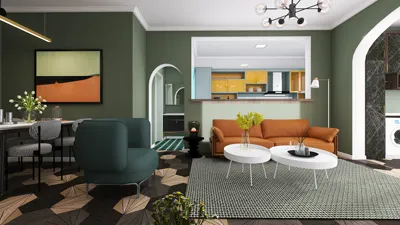


I view color planning akin to choreography, where hue, light, materials, and proportions dance together to create mood and enhance performance. My decade-long experience in interiors has demonstrated that effective palettes are not merely aesthetically pleasing; they also fulfill practical purposes. The WELL v2 standard emphasizes visual ergonomics and glare reduction for comfort, highlighting the direct relationship between colors and their interaction with light. According to Steelcase research, environments that facilitate focus and recuperation significantly enhance well-being and effectiveness, with color acting as a subtle yet essential component of this dynamic. Insights from Verywell Mind illustrate that blues evoke calmness, greens promote balance, and yellows inspire optimism—valuable guidelines when establishing the desired atmosphere in a room.
This evidence urges us to design spaces based on quantifiable parameters instead of personal preference. The Illuminating Engineering Society (IES) recommends a task illuminance level between 300 and 500 lux for typical residential functions: lower values can muddy vibrant colors, while higher values may create glare on softer palettes. Furthermore, WELL v2 suggests adjustable white lighting (for example, 2700–3500K in the evening and 3500–5000K during the day) to maintain circadian comfort. When you merge these luminescence targets with the behavioral insights gleaned from the Herman Miller research library regarding workplace performance, you’ll begin to understand how color, light, and patterns of use intertwine.
Balanced Neutrals with Warm Accents
Utilizing warm neutrals—such as greige, oatmeal, and mushroom—can establish a tranquil foundation for layered living. For example, I frequently pair soft taupe walls (LRV ~55–65) with natural oak, linen, and a terracotta or rust accent. This neutral backdrop minimizes visual distraction, while the warm accent injects energy and direction. Employ a satin finish on walls to reduce glare under ambient lighting at levels below 3500K. If you're redesigning seating arrangements or circulation, a tool like the Homestyler interior layout planner is invaluable for testing focal points before making final decisions on paint colors.
Cool Serenity: Blues, Greys, and Gentle Contrast
For bedrooms or focused areas, employing light grey walls paired with deep blue textiles creates a tranquil environment in line with Verywell Mind’s insights into calming colors. I recommend maintaining a subtle contrast; achieving a 30–50% luminance difference between walls and trim softens edges and helps to mitigate visual fatigue. At evening temperatures of 2700–3000K, cool palettes can appear flat, thus incorporating layered lighting—such as wall washers to enhance colors and dimmable bedside lamps for clarity—is essential.
Green + Wood: Biophilic Harmony
Incorporating sage or olive walls alongside walnut or white oak furniture establishes a grounded and restorative ambiance. Various studies on workplace environments (by Steelcase and Gensler) indicate that biophilic elements, including greens, subtly enhance perceived well-being. I prefer a matte finish for the green tones to prevent hot spots from downlights. Off-white ceilings (LRV 80–85) can help maintain bounce light without overwhelming the shades.
Monochrome Done Right
Implementing a single-hue scheme allows for depth through variations in texture and value. For instance, consider a clay-pink theme: mid-value walls, lighter trims, and deeper textiles coexist harmoniously. Integrating matte ceramics, boucle fabrics, and brushed metals can save the palette from monotony. Ensure that ambient lighting adheres to the IES’s guideline of 300–500 lux, so value variations appear distinct and clear.
High-Contrast Modern: Black, White, and a Single Accent
Utilizing black and white requires a disciplined approach. I often treat black as a framing device—utilized in window mullions, built-ins, or designated accent walls—softened by warm white tones (avoiding blue undertones). Introduce one vivid accent—perhaps cobalt, emerald, or saffron—with restraint. To manage glare, it’s best to avoid glossy black near bright daylight; however, a semi-matte finish will maintain structure without reflecting excessively.
Earthy Mediterranean: Terracotta, Sand, and Deep Teal
Creating a vibrant narrative through terracotta walls, sand-toned textiles, and a deep teal doorway evokes a sun-soaked Mediterranean feel while remaining elegant. The use of natural plasters or textured paints introduces subtle micro-shadows, enriching colors under 3500K LED lighting. Incorporating brass or aged bronze hardware adds warmth to the design without overwhelming it.
Soft Pastels for Small Spaces
Colors such as mist blue, blush, and pale pistachio can create an illusion of spaciousness in compact rooms. It’s essential to keep saturation low and to pair these shades with light woods and clear glass for optimal daylight reflection. Strive for an LRV greater than 60 on walls and over 80 on ceilings to enhance perceived volume. Lightweight sheer curtains can moderate brightness while preserving color fidelity.
Warm Minimalism: Beige, Caramel, and Charcoal
Minimalism extends beyond just cool greys. Beige walls, caramel leather furnishings, and a charcoal rug can yield a contemporary yet stable aesthetic. Limit the palette to three dominant tones, incorporate variations in texture (such as flat walls, napped rugs, and smooth leather), and carry the charcoal theme through smaller metal accents for continuity. Keeping lighting around 3000–3500K allows for an intentional warmth without the yellowing effect.
Jewel Tones with Soft Neutrals
Colors like emerald, sapphire, and aubergine can shine when balanced with soft neutrals. Pair these deep hues with warm white, parchment, or light camel backgrounds. Larger expanses of rich color benefit from higher CRI illumination to maintain visibility of subtle undertones, which is crucial for materials such as velvet or mohair that reflect light variably across the texture.
Playful Contrast for Kids’ Rooms
Bright sky blue paired with sunflower yellow can generate an atmosphere of joy and energy when divided across different planes, such as walls contrasted with storage elements. To ensure the longevity of the space, it’s beneficial to keep flooring neutral. Incorporating task lights at 4000K can support homework areas, while 2700K bedside lamps create a softer vibe for winding down. Select non-toxic, washable paints and rounded-edge furniture for safety and practicality.
Dining Rooms: Appetite and Atmosphere
Warm reds or aubergines can enhance a sense of intimacy—a well-known factor in hospitality. I favor a balanced look: employing darker hues below the chair rail and lighter tones above, complemented by dimmable ambient lighting to set the mood. Using materials in antique brass or aged nickel pairs beautifully with warm tones without slipping into high gloss.
Bathroom Calm: Greige and Seafoam
Highly reflective tiles and mirrors can excessively amplify light. Greige walls along with seafoam accents create a gentle equilibrium. For grooming areas, maintain task lighting around 4000K, while incorporating sconces at 2700–3000K for evening relaxation. Opting for matte or honed stone finishes minimizes glare and ensures that colors are represented accurately.
Hallways and Transitional Spaces
To create a cohesive flow between rooms, I often implement a signature neutral throughout, adjusting accents according to each area. This rhythmic approach maintains predictability while adding character. If considering paint placements relative to furniture arrangements, utilizing a room layout simulation tool can be beneficial in visualizing how colors influence movement.
Material and Finish Pairings
Successful color application relies heavily on material compatibility. Cool color palettes benefit from stainless steel, chrome, and crisp cotton; warm palettes favor brass, walnut, and textured wools. When indulging in high-chroma shades, opt for tactile surfaces such as velvet and boucle, as micro-shadows enhance the visual depth. For durability, washable matte walls help minimize glare while facilitating maintenance.
Proportion, Rhythm, and Visual Balance
Consider color ratios as analogous to musical timing: 60% devoted to the field (walls), 30% for secondary elements (floors, larger furniture), and 10% for accents (art, cushions). Adjust the accent percentage seasonally to refresh the space without needing to repaint. Pay attention to sightlines—what’s visible from key vantage points—and ensure smooth transitions by repeating tones or materials throughout the space.
Lighting and Colour Fidelity
Color effectiveness is largely determined by the quality of light illuminating it. I prioritize using high CRI lamps to maintain honest color undertones and adjust color temperatures based on the room's purpose—cooler lighting for active tasks and warmer for restful areas, aligning with WELL v2’s circadian principles. Employing wall washers and perimeter indirect lighting can alleviate harsh contrasts that might distort lighter tones.
Planning with Photos: From Inspiration to Execution
When gathering photographs of room color combinations, focus on three key aspects: value contrast (light versus dark), undertone (warm versus cool), and material reflectance. Test large swatches in your space to see how they perform under typical lighting conditions, both day and night. Before committing to paint, validate furniture positions and accent walls with a room design visualization tool like Homestyler to ensure color harmoniously integrates with circulation paths.
FAQ
For work areas, consider blending low-saturation blues or blue-greens with warm neutrals. Steelcase research indicates environments that foster focus and recovery enhance effectiveness; cooler hues tend to diminish arousal, while warm tones contribute to comfort.
Adhere to the IES recommendation of 300–500 lux for general tasks. Insufficient lighting can muddle colors, while excessive brightness can lead to glare, especially on glossy surfaces. Layer ambient, task, and accent lighting for the best results.
Yes, applying higher-LRV warm white shades on walls and very high-LRV shells can amplify bounced light, fostering a sense of increased volume. Trim colors should be slightly lighter than walls to define edges without stark differences.
Soft blues, muted greens, and desaturated neutrals tend to reduce arousal levels. The insights from Verywell Mind endorse blue hues as soothing anchors; pairing them with warm, low-glare lighting in the evening enhances their calming effect.
Establish a common neutral that flows throughout the area, then designate one accent color for each zone. Use consistent materials (woods, metals) to ensure a cohesive connection between hues. An interior layout planner can help confirm that sightlines create visual harmony.
Opting for washable matte or low-sheen paints on walls balances glare management and upkeep. Employing semi-matte finishes on darker accents helps prevent reflections that can skew perception.
Bold color schemes can be effective—center striking hues on a focal wall or within built-ins while keeping adjacent planes lighter, and manage light intensity to prevent overwhelming brightness. Textures can be used to enhance bold colors, adding richness and nuance.
Cooler light (3500–5000K) accentuates edges and is ideal for active tasks, whereas warmer light (2700–3500K) provides softness and relaxation. WELL v2 recommends tunable lighting systems that align with daily rhythms.
Incorporate a ratio of 60/30/10: the primary color field, secondary support, and accents. Adjustments should be made according to room size and daylight availability, as larger rooms can handle a higher percentage of accents without appearing cluttered.
Identify undertones and value contrasts, then apply large swatches to observe behavior under both natural and artificial lighting. Taking photographs at different times can assist in evaluating color fidelity prior to making final paint choices.
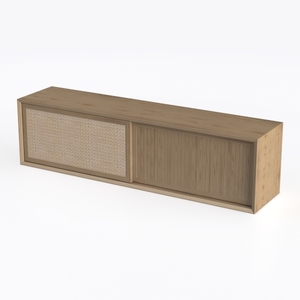
JOZZBY Set of 3 Storage Cabinet, Sideboard Buffet

Rustic Rectangular Coffee Table, 44.8 Inch

Round Wood Coffee Table - 29.53" Wooden Coffee
Homestyler is your go-to online home design platform, perfect for anyone looking to revamp their space. With its easy-to-use design tool, stunning 3D renderings, and inspiring DIY video tutorials, it empowers you to bring your creative visions to life effortlessly.
Projete agora para LIVRE
































