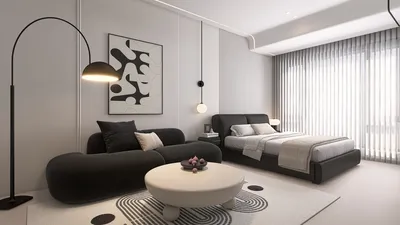


Common Apartment Decorating Errors and How to Correct Them
Typical mistakes in apartment decoration include overcrowding with furniture, inadequate lighting design, using overly dark color schemes, and neglecting storage planning. These factors often cause small apartments to feel confined, disorganized, and uncomfortable. Fortunately, many of these issues can be resolved by rearranging furniture intelligently, applying layered lighting techniques, choosing lighter color palettes, and optimizing vertical storage solutions.
Key Takeaways
Overview
After designing numerous city apartments over the past ten years, I've observed a common theme: most errors in apartment interiors stem not from poor taste, but from attempting to make limited spaces fulfill too many functions.
Clients frequently say, "I don't understand why my apartment looks cluttered," even when their furniture selections are attractive. The core issues usually relate to layout planning, lighting, or proportions. In tight living quarters, every design choice is magnified in effect.
Nowadays, many people turn to digital planning platforms like Homestyler to experiment with different furniture arrangements virtually before physically moving items. If you're looking to preview new layouts without costly trial and error, using smart design software can help you visualize changes confidently.
In this article, I'll outline the most frequent apartment interior design errors, explore their root causes, and offer tried-and-true solutions I've applied in real-life projects.
save pin
Frequent Apartment Decorating Pitfalls
Insight: The primary cause of apartment design failures is poor spatial layout rather than decorative choices.
People tend to emphasize colors, furniture styles, or decorative accents. However, in compact apartments, effective spatial planning is far more critical than superficial aesthetics. A flawed layout results in even the most luxurious decor contributing to a cramped feel.
Based on my experience, these problems surface most often:
A 2024 Houzz interior trends study revealed that over 60% of apartment redesign projects prioritize enhancing functionality over visual appeal. This finding aligns perfectly with what interior designers encounter.
A common oversight is approaching apartments as scaled-down houses, whereas they demand a unique design mindset.
Furniture Overcrowding in Compact Apartments
Insight: Excessive furniture introduction rapidly diminishes vital free space more than color or any ornamental factor.
A widespread mistake is attempting to fit a full living room set—including large sofa, coffee table, TV stand, and armchairs—into a small area, leaving little room to move around.
Instead, smaller apartments benefit from creating "visual breathing spaces" where certain zones remain deliberately uncluttered.
Try adjusting your layout as follows:
For clients facing this challenge, I often recommend sketching room layouts first. Using simple visualization tools for small apartments, like those available via Homestyler, can quickly highlight why a space feels overcrowded.
save pin
Inadequate Lighting Design in Apartments
Insight: Relying on a single central ceiling light is insufficient for well-designed apartment lighting.
Lighting is arguably the most overlooked aspect in apartment design. Frequently, rooms depend on one overhead fixture centered in the space, which produces harsh shadows and flattens the room.
Experienced interior designers almost always employ layered lighting approaches.
A comprehensive apartment lighting plan typically features:
For example, in a 520-square-foot studio redesign I completed, introducing two floor lamps and a warm LED strip behind shelving nearly doubled the perceived space.
save pin
Color Selection That Causes Apartments To Look Smaller
Insight: High-contrast and dark color schemes can visually reduce small apartment spaces.
While dark walls aren't inherently incorrect, using deep tones on every surface in a small flat causes the room's boundaries to visually contract inward.
Effective color strategies involve:
Designers often apply a "visual flow" technique, maintaining color consistency between living area, kitchen, and hallways to make apartments feel more expansive than their actual size.
Storage Challenges in Apartment Designs
Insight: The primary cause of clutter in many apartments is insufficient concealed storage.
Decorative elements rarely cause clutter. Instead, the main issue lies in a lack of dedicated spaces for everyday belongings.
Smart apartment design incorporates layered storage solutions such as:
In densely populated cities like New York and Tokyo, efficient apartments typically devote approximately 20–25% of wall surfaces to storage systems.
save pin
Summary Answer
The quickest way to address apartment decoration errors is by downsizing furniture, implementing layered lighting concepts, selecting lighter wall colors, and integrating hidden storage options. Together, these four adjustments resolve most layout-related issues in small flats.
Practical Solutions to Enhance Your Apartment Interior
Insight: Minor but precise tweaks often yield greater interior improvements than full overhauls.
If your apartment feels disorganized or cramped, begin with these impactful changes.
Fast improvement checklist:
Once the spatial arrangement is effective, tools like Homestyler enable homeowners to preview furniture placements and lighting through realistic 3D visualizations before finalizing purchases.
Concluding Summary
Frequently Asked Questions
Why does my apartment appear cluttered even when it's tidy?
Poor storage options combined with oversized furniture typically cause the cluttered look. Without concealed storage, common items remain visible and contribute to visual chaos.
What are frequent mistakes in apartment decoration?
Typical errors include overcrowding with furniture, reliance on a single ceiling light source, choosing overly dark wall colors, and neglecting storage layout design.
How can I improve a small apartment's layout?
Start by reducing furniture quantity, optimizing movement pathways, applying layered lighting, and using multifunctional pieces like storage ottomans.
Do dark colors always make small apartments look smaller?
Not necessarily. Dark hues are most effective as accent colors. Applying them to every wall in a small apartment often diminishes the sense of spaciousness.
How much furniture is appropriate for a compact apartment?
Less than you might assume. Designers usually keep 30–40% of the floor area open to facilitate comfortable movement.
Can lighting significantly affect perceived apartment size?
Absolutely. Layered lighting minimizes shadows and adds depth, visually enlarging small rooms.
Which decoration mistakes cause apartments to feel smaller?
Oversized furniture, dark walls, busy patterns, and excessive decorative items commonly contribute to making small apartments appear cramped.
What is the fastest method to improve apartment decor?
Removing clutter, incorporating warm lighting, and replacing bulky furniture with scaled-down pieces quickly enhance apartment interiors.
Sources
2024 Houzz Interior Design Trends Report
American Society of Interior Designers Guidelines for Small Spaces
National Association of Home Builders Insights on Multifamily Design
Meta Information
Meta Title: Common Apartment Decorating Mistakes and Effective Solutions
Meta Description: Learn about typical apartment decoration errors and discover practical solutions that help small flats feel more spacious, brighter, and better organized.
Meta Keywords: apartment decoration mistakes, common interior design mistakes in apartments, why does my flat look cluttered, how to fix small apartment layouts, decor errors that shrink flats

Modern Marble Top Fluted White Solid Wood Round Coffee Table 3D Model


Modern Marble Top Black Metal Leg Coffee Table 3D Model

Minimalist Clear Acrylic Rectangular Coffee Table 3D Model
Homestyler is an easy-to-use online home design platform that lets you create stunning 3D renderings, explore diverse interior projects, and learn through helpful DIY video tutorials. It’s the perfect tool to bring your home design ideas to life effortlessly.
Projete agora para LIVRE
































