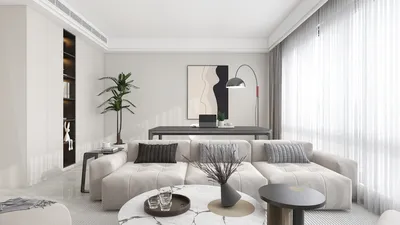


Common Decorating Mistakes with Chaise Sofas
One of the typical pitfalls when styling a chaise sofa is obstructing natural walkways, selecting rugs that are too small, and neglecting to balance the visual weight of the chaise extension. Since a chaise sofa alters the flow of traffic in a living room, the arrangement should prioritize circulation, scale, and lighting rather than merely positioning furniture against the walls.
Key Insights on Chaise Sofa Styling Challenges
Although chaise sofas appear straightforward in design catalogs, they often present unexpected challenges in real-life layouts. With over a decade of experience designing living rooms, I've found that most errors arise when people treat chaise sofas like conventional sofas.
The chaise section shifts circulation patterns, alters visual symmetry, and affects lighting placement. Many times, I've seen attractive sectional sofas make a space feel cramped, awkwardly unbalanced, or oddly empty on one side.
To avoid these issues, I recommend using a visual room planning tool such as Homestyler. It lets you sketch room layouts and test furniture placement before physically rearranging anything, revealing traffic flows and proportions that highlight potential problems.
Why Balancing a Chaise Sofa Is Tricky
Chaise sofas create an asymmetrical setup, which complicates achieving balanced circulation and harmony compared to traditional sofas.
Most interiors are designed around symmetrical furniture pieces, but a chaise sofa extends more on one side, disrupting this balance.
Designers counteract this by adding visual anchors elsewhere, like an accent chair, tall plants, or shelving, to create equilibrium, a principle supported by the American Society of Interior Designers.
Failing to add these elements leaves the chaise side visually dominant, making the entire space feel uneven.
Avoid Blocking Natural Walkways
A frequent mistake is placing the chaise so it obstructs the room's main pathway. This forces people to awkwardly navigate around furniture instead of moving smoothly through the space.
When arranging the living area, ensure at least 30–36 inches of clearance for walkways. Using 3D floor planning software like Homestyler can help visualize and optimize circulation paths from above, making blocked zones easy to spot.
Choosing the Proper Rug Size
A rug that doesn’t reach beneath the chaise visually fragments the seating zone, leading to an awkward floating effect.
Many homeowners err by picking rugs sized for standard sofas, ignoring the chaise's additional length. Ideally, rugs should be large enough to encompass the chaise and seating area entirely—plans often recommend at least an 8x10 rug.
Interior design authorities consistently warn that undersized rugs make rooms feel smaller and disconnected.
Balancing Furniture Around the Chaise
The chaise adds significant visual mass to one side, making it crucial to balance this weight with furniture like side chairs, console tables, or plant stands opposite the chaise to maintain harmony.
For example, substituting a round coffee table for a rectangular one can soften the elongated lines of the chaise visually, enhancing overall spatial flow.
Ensuring Adequate Lighting Near the Chaise
The chaise corner can become unintentionally dark because lighting normally designed for central seating doesn’t adapt when the chaise moves the seating area off-center.
Implementing layered lighting—ambient, task, and accent—can brighten and highlight the chaise area. Floor lamps, table lamps, and wall sconces layered together improve both function and ambience.
How to Quickly Improve a Difficult Living Room Layout
Most problems with chaise sofa arrangements can be corrected by repositioning furniture rather than replacing it.
A simple reset involves identifying walkways, rotating the chaise to open traffic flow, and balancing furniture placement. Using digital layout tools like Homestyler allows for swift testing of different configurations before moving heavy items.
Small changes, such as angling the chaise slightly or swapping side tables, can transform the feel of the room.
Simple Styling Tips for a Cohesive Look
Even without changing furniture positions, small style adjustments can visually balance the space.
Incorporating consistent colors and materials across pillows, rugs, and accessories ties the chaise into the overall design, preventing it from feeling like an isolated piece.
Frequently Asked Questions About Chaise Sofas
Why does my chaise sofa make my living room feel cramped? Often, the chaise blocks natural pathways or extends beyond the rug edge, disrupting flow and creating visual imbalance. Adjusting traffic flow and upgrading rug size usually resolve this.
What size rug works best with a chaise sofa? Generally, a rug no smaller than 8x10 feet accommodates the chaise extension and adjacent seating comfortably.
How can I fix awkward chaise sofa placement? Try rotating the chaise away from main walking routes, repositioning the coffee table, and adding furniture pieces opposite the chaise to balance the room visually.
Should the chaise face the TV? Usually yes, but it should avoid blocking circulation. Slight angling can improve both viewing experience and traffic flow.
Are chaise sofas suitable for small spaces? Yes, when placed along walls and paired with compact furniture. Proper planning ensures the area doesn’t feel overcrowded.
What are common decorating mistakes with chaise sofas? The most prevalent issues include obstructing walkways, choosing undersized rugs, and failing to balance furniture weight.
How far should a coffee table be from the chaise? An optimal distance is about 18 inches to maintain comfort and flow.
Can lighting improve chaise sofa arrangements? Absolutely. Adding floor lamps or layered lighting enhances both visual balance and functionality.


Minimalist White Solid Wood Square Coffee Table 3D Model

Modern Marble Top Fluted White Gold Accent Round Coffee Table 3D Model
Homestyler is a fantastic online platform for creating stunning home designs. Its easy-to-use design tool, realistic 3D renderings, inspiring projects, and helpful video tutorials make it simple to plan and visualize your ideal space. Perfect for both beginners and pros!
Projete agora para LIVRE
































